

Safety Is Not a Highlight, It’s the Baseline
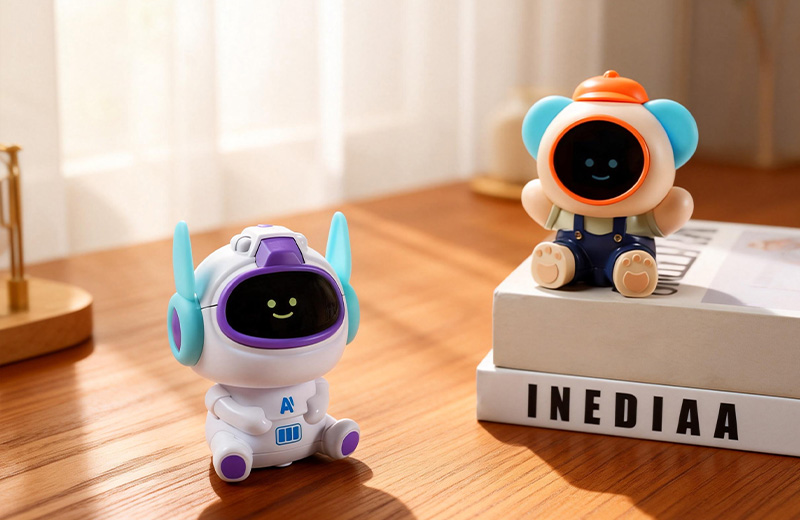
From a buyer’s point of view, safety is not something you “promote,” it’s something you quietly make sure is solid before moving forward. For AI ROBOT TOYS aimed at toddlers, materials, structure, and durability all need to be right because parents, platforms, and retailers are far less tolerant than they used to be. If a product feels fragile, has sharp edges, or looks like it might break after a few drops, it’s already a red flag for sourcing.
There’s also the digital side of safety, which buyers now get asked about more often than before. People want to know whether the AI companion robot is connected to open internet content or running in a more controlled system. From experience, products that clearly limit content access and explain how interactions are handled are much easier to push through compliance checks and much easier to talk about with distributors later.
Learning Value Has to Be Easy to Explain
One common mistake in this category is overloading the product story with AI buzzwords. Buyers know that what really matters is whether sales teams can explain the learning value in one or two sentences. Good AI ROBOT TOYS don’t try to do everything at once, they focus on things parents already understand, like helping kids talk more, recognize objects, or stay engaged through stories and simple interaction.
From a sourcing angle, products that grow with the child usually perform better over time because parents don’t feel like they’re buying something that will be outdated in a month. That kind of learning value is easier to position, easier to justify on price, and usually leads to fewer complaints after purchase.
Setup Should Not Become a Customer Service Problem
Setup experience is one of those things buyers often learn the hard way. If parents struggle to get the AI companion robot working, the pressure doesn’t stay with the brand, it comes straight back to the seller. That’s why buyers increasingly pay attention to how fast AI ROBOT TOYS can be set up in a real home environment.
Ideally, parents should be able to power on the device, connect it once, and start using the main functions without reading a long manual. Products that keep setup simple usually see lower return rates and fewer negative reviews, which makes them much safer choices for procurement, especially when selling across multiple markets.
Parental Controls Help Close the Sale
Parental controls are no longer just a “nice to have,” they’ve become part of the sales conversation. When buyers talk to distributors or retail partners, one of the first questions is often about screen time, content limits, and how much control parents actually have. AI ROBOT TOYS that offer clear and simple parental control features make these conversations much easier.
From a buyer’s perspective, these features help reduce hesitation at the point of sale and make the product feel more responsible rather than just entertaining. That difference matters, especially in markets where parents are cautious about smart devices for young children.
What Buyers Should Take Away
At the end of the day, sourcing AI companion robots for toddlers is less about chasing the newest technology and more about choosing products that are safe, easy to understand, and easy to support after they’re sold. AI ROBOT TOYS that handle safety well, communicate learning value clearly, avoid complicated setup, and respect parental control tend to perform better not just in demos, but in real market conditions.