


That’s exactly where sensory toys come in. Babies learn about the world through their senses first—what they see, hear, touch, and move. A good sensory toy simply gives them more opportunities to explore those experiences in a fun and natural way.
Instead of sitting back and watching something happen, babies interact with sensory toys. They squeeze, shake, grab, look closely, and sometimes even talk to them. Through those little moments of play, their brains are constantly building new connections.
So What Exactly Are Baby Sensory Toys?
Simply put, baby sensory toys are toys designed to stimulate a child’s senses while they play.
In the early stages of life, babies don’t learn through textbooks or instructions. They learn through exploration. A crinkly fabric might catch their attention because of the sound. A bright color might make them stare longer. A soft texture might encourage them to grab and hold.
These small reactions are actually part of early development.
Sensory toys usually focus on stimulating several areas at once:
Touch – soft fabrics, textured surfaces, squeezable materials
Sight – bright colors, patterns, lights, movement
Hearing – gentle sounds, music, or voice interaction
Movement – toys that encourage grabbing, shaking, or scanning
When babies experience these different inputs together, their brains begin connecting information more quickly.
Why Sensory Toys Matter More Than Many People Realize
The first few years of a child’s life are when the brain develops the fastest. Every new sound, color, or texture becomes part of how they understand the world.
That’s why many child development experts emphasize play-based learning.
A baby doesn’t need formal teaching to start learning. They simply need opportunities to explore.
For example, when a child shakes a toy and hears a sound, they begin to understand cause and effect. When they recognize a color or shape again later, they start building memory. When they hear a voice responding to them, they begin understanding communication.
It may look like simple play, but it’s actually the beginning of cognitive development.
What Parents Usually Look for in Sensory Toys
When parents search online for sensory toys, their expectations are often very practical.
They want toys that are:
Safe – made with child-friendly materials and durable design.
Engaging – something that keeps a child curious instead of losing interest after a few minutes.
Educational without feeling like school – learning should happen naturally through play.
Worth the investment – toys that children can keep enjoying as they grow.
In short, parents want toys that do more than just flash lights or make noise. They want something that supports real interaction.
From Traditional Sensory Toys to Smart Interactive Toys
For many years, sensory toys were mostly simple objects—rattles, plush toys, textured blocks, or activity mats. These are still great tools for early development because they encourage physical exploration.
But as technology has evolved, a new category of toys has started to appear: AI-powered interactive toys.
Instead of simply reacting with a sound or light, these toys can actually respond to children’s actions and conversations.

This opens up a whole new level of play.
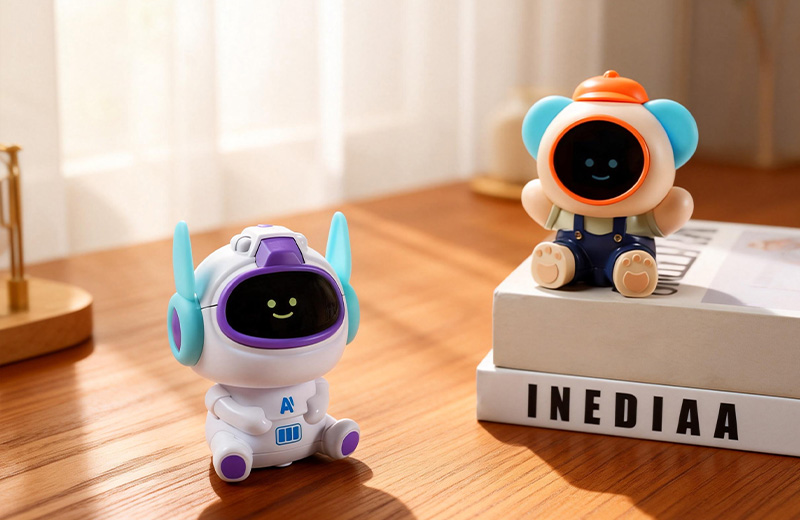
A child can explore objects, ask questions, listen to stories, and interact with a toy almost like a companion rather than just an object.
INFUNITY’s Approach to Smart Sensory Play
At INFUNITY, the idea is to combine traditional play with modern technology so that toys become more interactive and meaningful.
The company builds on more than twenty years of toy manufacturing experience while bringing artificial intelligence into the design of new products. Instead of replacing classic toys, the goal is to expand how children interact with them.
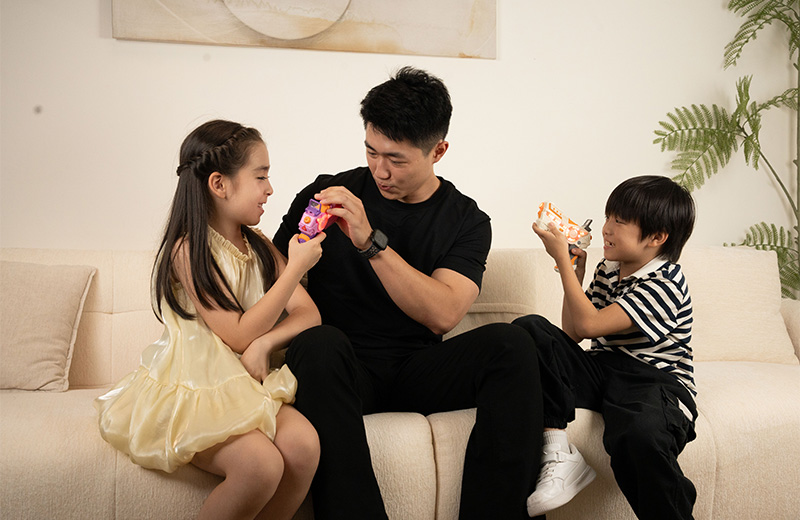
One example is the PULSE V-1 AI interactive toy, which blends action play with intelligent features.
The toy includes a built-in camera that can scan objects around a child. When something is recognized, the toy can explain what it is, tell a related story, or even introduce new words in another language.
At the same time, it still keeps the fun elements that kids love—dynamic lighting effects, different play modes, and exciting sound responses.
What makes this type of toy interesting is that the interaction doesn’t stop after a few minutes. Children can keep discovering new things around them, which naturally encourages curiosity.
For kids between 3 and 8 years old, this kind of play often becomes a mix of imagination, exploration, and learning.
What the Best Sensory Toys Actually Do
A truly good sensory toy does more than entertain. It helps children:
explore their surroundings
develop curiosity
recognize objects and sounds
practice communication
build confidence through interaction
The key is balance. The toy should guide discovery, but the child should still feel like they are leading the adventure.
When that balance works, play becomes one of the most powerful ways children learn.
The Future of Sensory Toys
Sensory toys are gradually evolving from simple tactile experiences into interactive learning companions.
The next generation of toys will likely combine three things:
physical play and textures
intelligent interaction
personalized learning experiences
Instead of replacing traditional toys, technology will simply make them more responsive and engaging.
And for parents, that means something important: toys that can still feel playful and imaginative while quietly supporting a child’s development.
Final Thoughts
Baby sensory toys exist for a simple reason—children learn best through exploration.
From colorful textures to AI-powered interactions, the goal remains the same: give children opportunities to touch, see, hear, and discover the world around them.
When toys encourage curiosity instead of passive entertainment, they become much more than playthings. They become tools that support creativity, learning, and imagination from the very beginning.