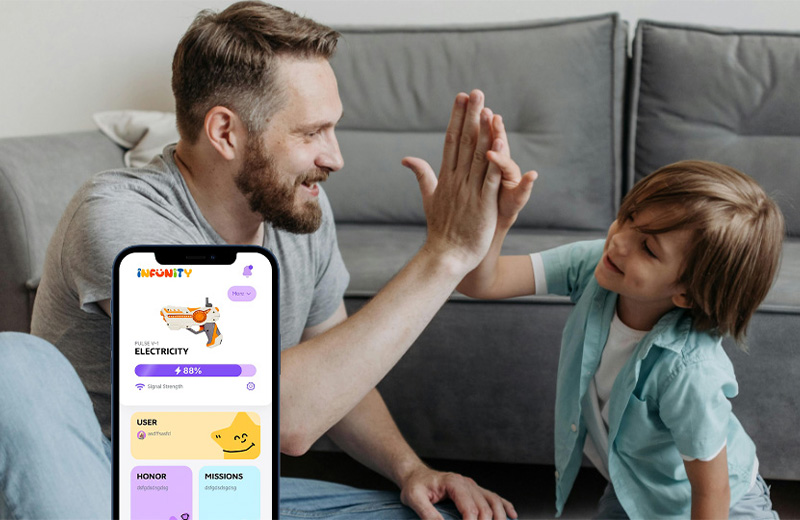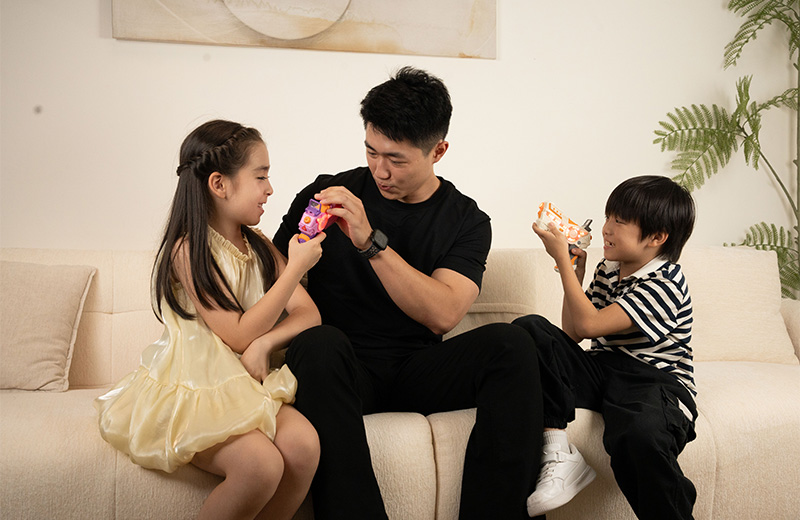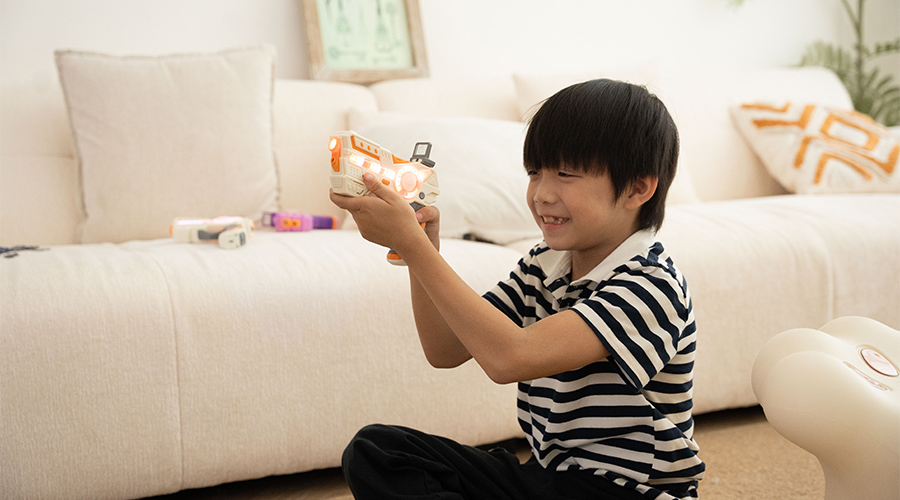



Through interviews, user feedback analysis, and competitor benchmarking, we identified several clear preferences among UK customers. Safety, emotional comfort, and visual calmness were consistently prioritized over overly aggressive or flashy designs. Parents showed a strong preference for AI toys that felt trustworthy, educational, and suitable for daily indoor interaction, rather than toys that relied purely on excitement or fast-paced stimulation. This insight directly influenced both our product form factor and color strategy.
Based on this research, we finalized a blue-and-white color scheme for the first AI robot toy developed specifically for the UK market. Blue was widely associated by users with technology, reliability, and calm interaction, while white reinforced a sense of cleanliness and safety. Together, this combination aligned well with British aesthetic preferences and parental expectations, making the product visually friendly without losing its futuristic identity.
On the functionality side, our R&D team worked closely with UK partners to align AI interaction logic with real usage scenarios. British customers showed a strong interest in structured conversations, educational guidance, and predictable interaction patterns, rather than purely novelty-driven AI responses. As a result, we adjusted the dialogue pacing, voice tone, and content hierarchy of the embedded AI system to better suit longer, more thoughtful interactions at home.
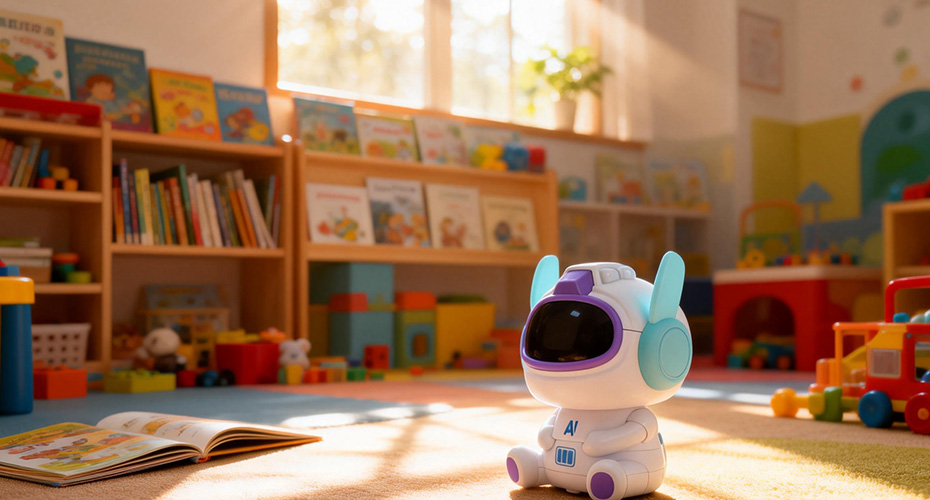
This collaboration process did not stop at the AI robot toy. Based on continuous feedback from UK clients, we began planning a follow-up product line focused on AI pets. These AI pets are designed to emphasize companionship, routine interaction, and emotional response, reflecting the UK market’s growing interest in digital companions that feel gentle, reliable, and long-term rather than short-lived entertainment products.
Throughout the development cycle, our UK clients were involved not only as buyers, but as co-creators. Regular feedback sessions allowed us to refine both hardware details and AI behavior, ensuring that new product concepts remained closely aligned with real user expectations.
This case demonstrates our core development philosophy in AI toys: true localization goes beyond language or appearance. By deeply understanding customer psychology, cultural preferences, and usage habits, we are able to create AI robot toys and AI pets that feel genuinely designed for their market, rather than simply adapted after the fact.