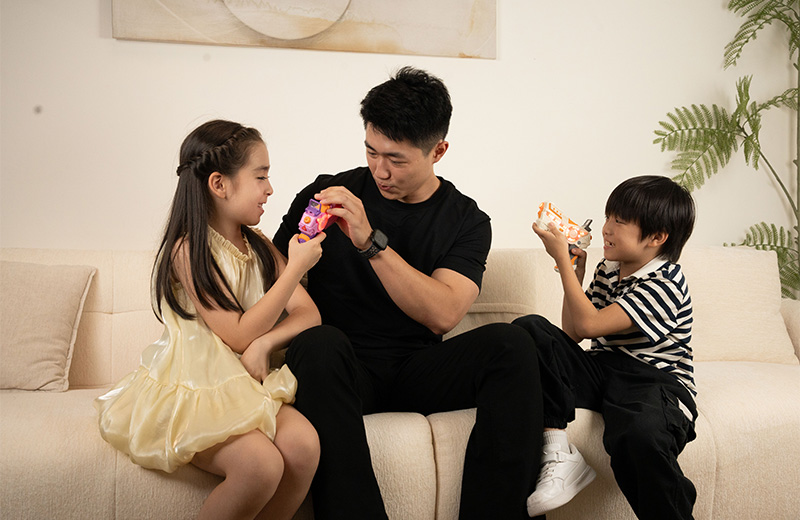



Before any industrial design work began, our team conducted in-depth research into U.S. legal frameworks related to toy weapons, including requirements around appearance differentiation, color usage, functional limitations, labeling standards, and child safety guidelines. The objective was not merely to “pass certification,” but to ensure that the product would not create confusion with real weapons, would not encourage unsafe behavior, and would remain clearly positioned as an educational and interactive toy for children.
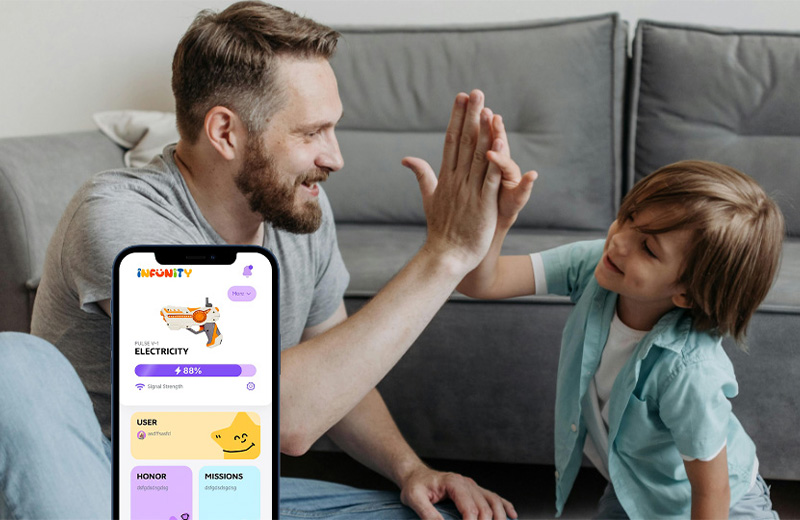
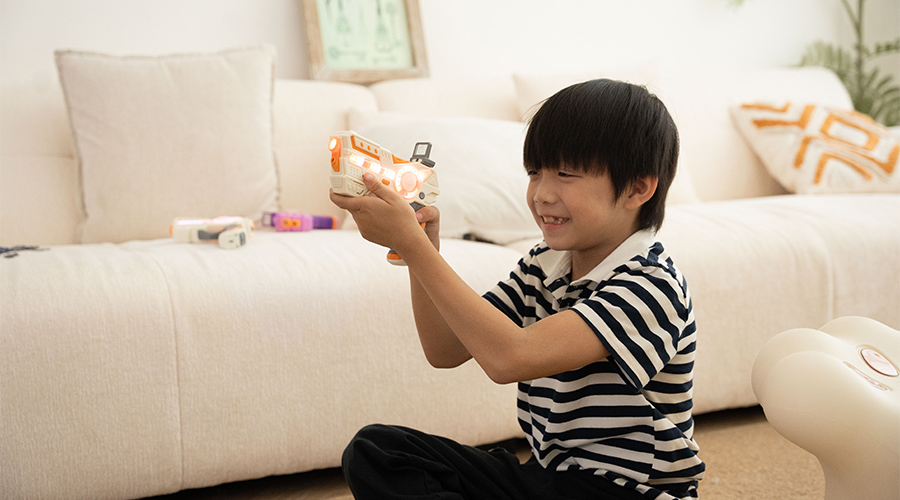
This regulatory research directly influenced the design language of PULSE V-1. The sci-fi aesthetic, non-realistic proportions, and integrated lighting effects were intentional choices, helping the product visually distance itself from real-world firearms. At the same time, functional boundaries were clearly defined: all shooting-related gameplay is limited to safe, non-projectile interactions, while the AI mode focuses on voice interaction, object recognition, storytelling, and educational content. From both a legal and developmental perspective, this balance was essential.
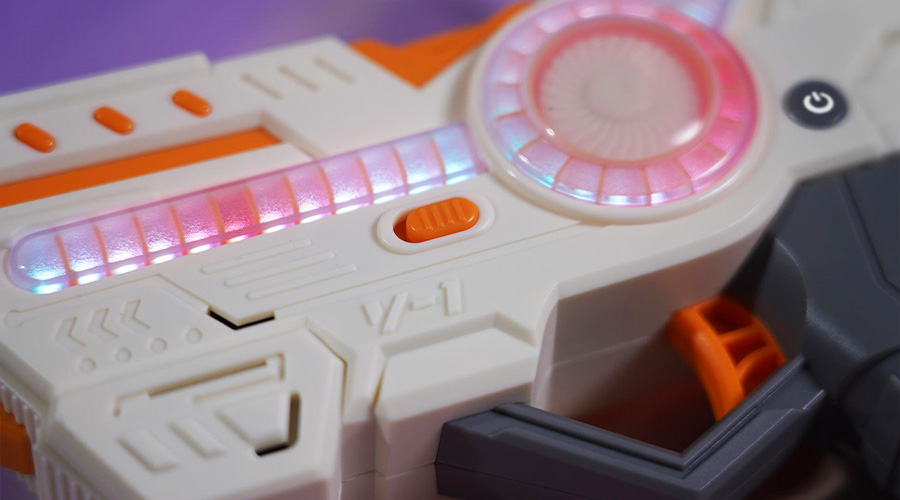
From an engineering standpoint, compliance requirements continued to shape product decisions throughout R&D and production. Materials selection, internal structure, sound and light intensity, camera usage, data handling, and child interaction logic were all reviewed through the lens of U.S. toy safety standards and global child protection policies. Multiple rounds of internal risk assessment and testing were conducted to ensure that PULSE V-1 would remain safe, durable, and age-appropriate for children.
Importantly, this was not a one-time compliance exercise. The PULSE V-1 project was built around a long-term compliance mindset, aligning not only with current U.S. regulations but also with broader global policy trends around children’s products, AI interaction, and data protection. Our goal was to create a product that could responsibly scale across international markets without compromising safety or ethical standards.
Ultimately, the development of PULSE V-1 demonstrates our belief that innovation in AI toys must go hand in hand with regulatory responsibility. What initially appeared to be a challenge became a defining strength of the product. By embedding legal compliance and child safety considerations into every stage of development, we were able to deliver an AI toy experience that is engaging, imaginative, and educational—while providing parents and partners with confidence that safety and policy alignment are never treated as afterthoughts.
For us, PULSE V-1 is not just a product, but a practical example of how AI toys can evolve responsibly within complex global regulatory environments, setting a higher standard for safety, transparency, and long-term trust.