


To understand that, it helps to look at emotional bonding first, then move into how interaction shapes emotional depth, consider how age changes everything, and finally step back to see what kind of emotional support actually matters most.
Emotional Bond: Comfort vs Connection
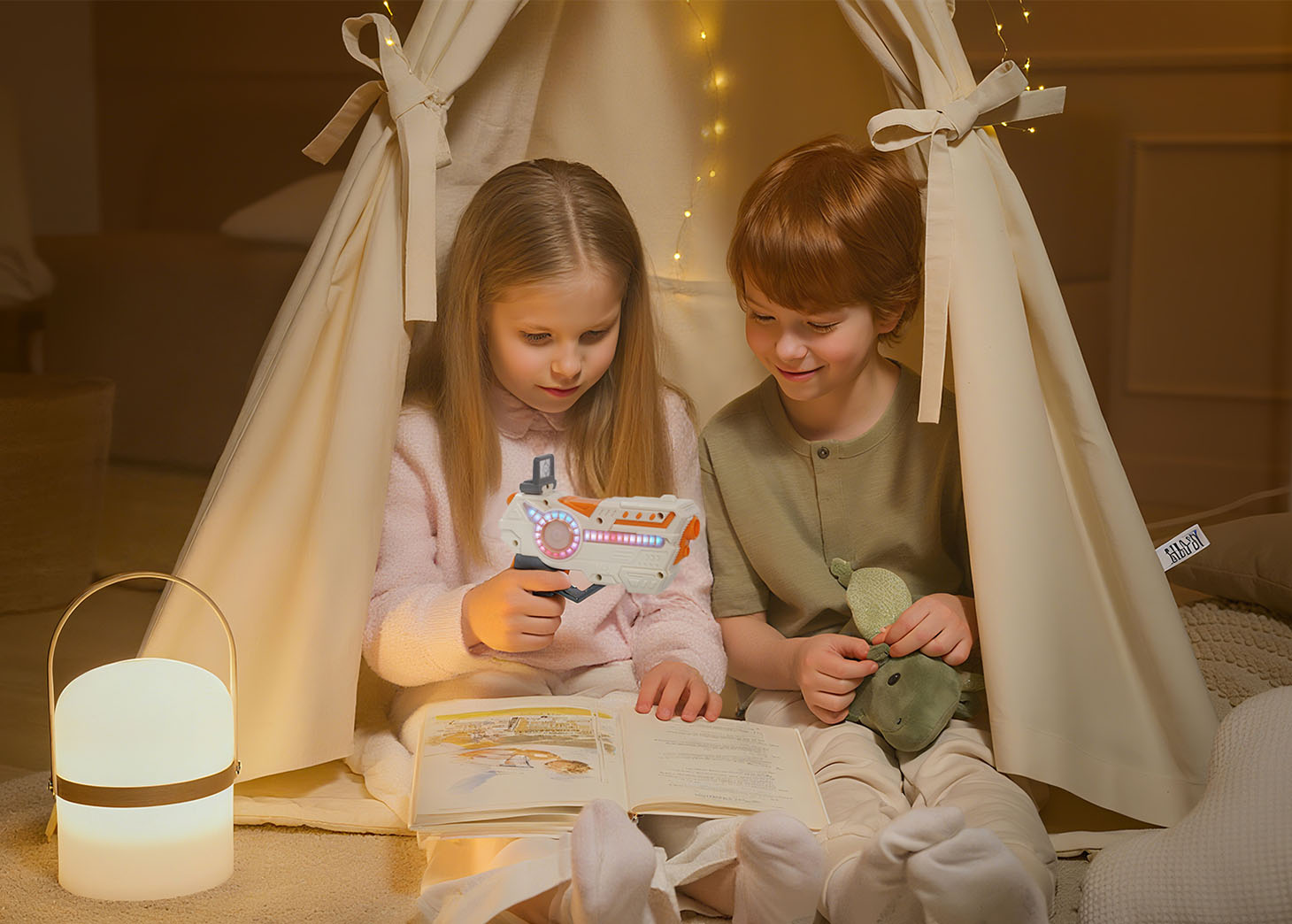
Plush toys create emotional bonds through presence rather than action. They don’t speak, react, or change, and that’s exactly why many children feel safe with them. A plush toy never interrupts, never disagrees, and never behaves unpredictably. For a child, especially a very young one, this kind of emotional reliability can be incredibly powerful. The bond often comes from projection: the child assigns feelings, thoughts, and even personalities to the toy, turning it into a quiet emotional container for fear, joy, or imagination.
This type of bond is deeply soothing, but it is also one-directional. The plush toy reflects the child’s emotions back only because the child imagines it doing so. There’s comfort in that, but there’s no challenge, no emotional feedback, and no sense of being truly “seen.”
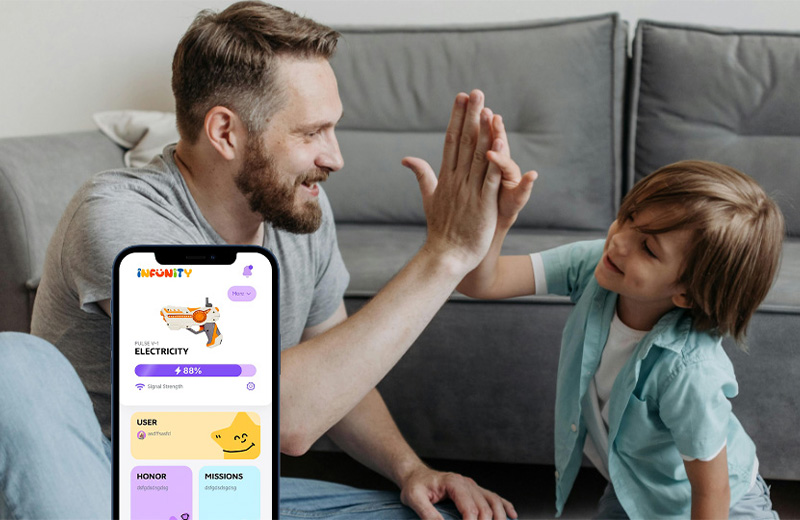
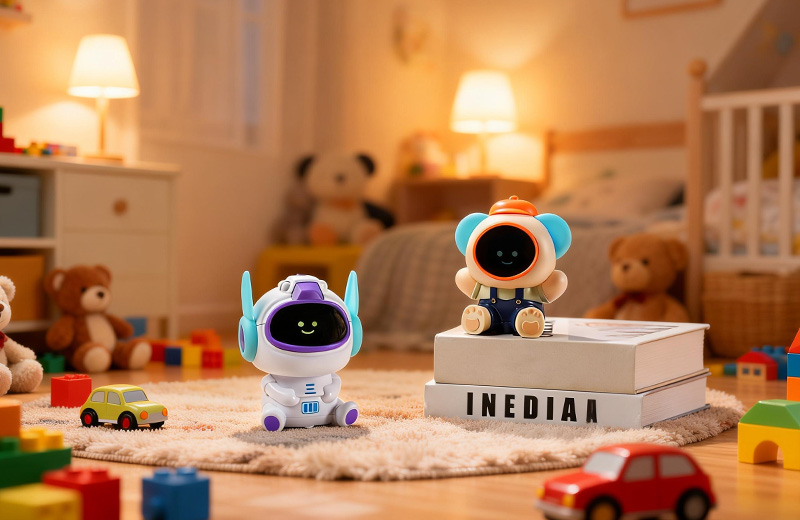
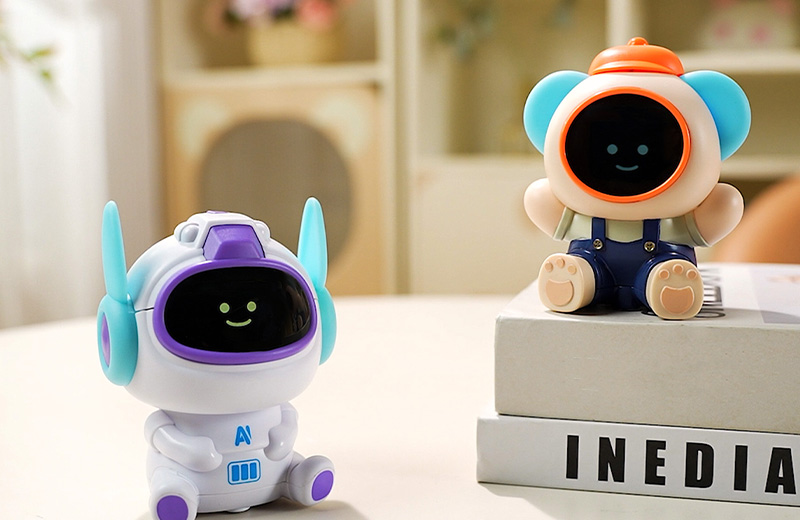
AI toys approach emotional bonding from the opposite direction. Instead of being emotionally blank, they respond. They speak, listen, remember preferences, and sometimes even initiate interaction. For a child, this can feel closer to a relationship than an object. When an AI toy reacts to a child’s mood, asks questions, or acknowledges what was said yesterday, the bond shifts from pure imagination to perceived connection. The child isn’t just projecting feelings; they’re receiving responses that feel personal.
That said, this bond can feel less “safe” for some children at first, because responsiveness introduces unpredictability. Emotional development, however, doesn’t only come from comfort. It also comes from learning how to engage, express, and adjust emotions in response to others, and that’s where AI toys begin to offer something plush toys simply can’t.
Interaction Depth: Passive Comfort vs Emotional Practice
Plush toys support emotional development by allowing children to self-regulate. Hugging a soft toy can lower anxiety, create routine, and provide a sense of security, especially during transitions like bedtime or new environments. This is emotional support through calmness. The child leads, the toy follows silently.
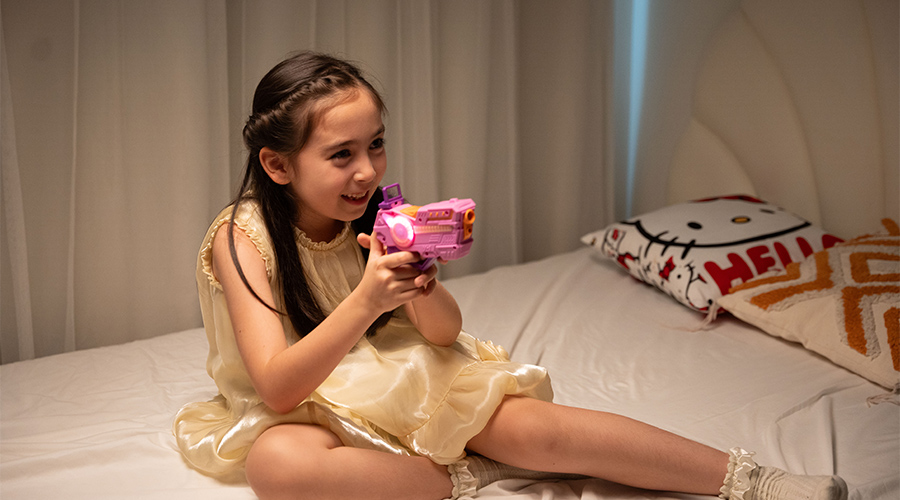
AI toys, on the other hand, turn emotional development into an active process. Because they respond, children are encouraged to speak, explain, ask, and react. When a child tells an AI toy they are sad and receives a comforting response, even a simple one, the child experiences emotional acknowledgment. Over time, this kind of interaction can help children label emotions, articulate feelings, and understand that emotional expression leads to response.
Interaction depth also matters because it introduces cause and effect. With AI toys, children learn that how they speak, what they say, and even the tone they use can change the interaction. This subtly trains emotional awareness and empathy, skills that are difficult to develop through purely passive objects. Plush toys are excellent listeners, but AI toys offer emotional rehearsal, a space where children can practice social and emotional behaviors without the pressure of real human judgment.
Of course, depth comes with responsibility. Poorly designed AI toys that rely on shallow scripts or repetitive responses can quickly feel hollow. Emotional development benefits only when interaction feels meaningful rather than mechanical.
Age Factors: One Size Never Fits All
Age plays a critical role in determining which toy supports emotional development better. For toddlers and very young children, plush toys often win naturally. At this stage, emotional needs are simple: safety, warmth, and consistency. A soft toy that smells familiar and never changes can be deeply grounding, especially when language skills are still forming.
As children grow older, their emotional world expands. They begin asking questions, expressing complex feelings, and seeking feedback. This is where AI toys become more relevant. For preschool and early school-age children, emotional development increasingly involves communication, curiosity, and social understanding. AI toys that can tell stories, ask questions, and respond thoughtfully help bridge the gap between solitary play and social interaction.
Older children may even outgrow plush toys emotionally, seeing them as comforting but limited. AI toys, if designed well, can evolve alongside the child, offering different types of interaction as emotional and cognitive abilities grow. In this sense, AI toys have the potential for a longer emotional lifespan, while plush toys tend to peak earlier.
Final Verdict: It’s Not About Replacing, It’s About Expanding
So which supports emotional development better, plush toys or AI toys? The honest answer is that they support different emotional needs at different stages. Plush toys excel at providing comfort, stability, and emotional safety. They are ideal for grounding emotions and offering quiet reassurance. AI toys shine when emotional development requires interaction, expression, and feedback. They encourage children to communicate, reflect, and engage emotionally rather than simply self-soothe.
Emotional development isn’t a single path, and no toy should be expected to handle it all. Plush toys offer emotional shelter, while AI toys offer emotional practice. Together, they reflect a broader truth about growing up: sometimes children need a silent hug, and sometimes they need a conversation that talks back.
 Recommended for You