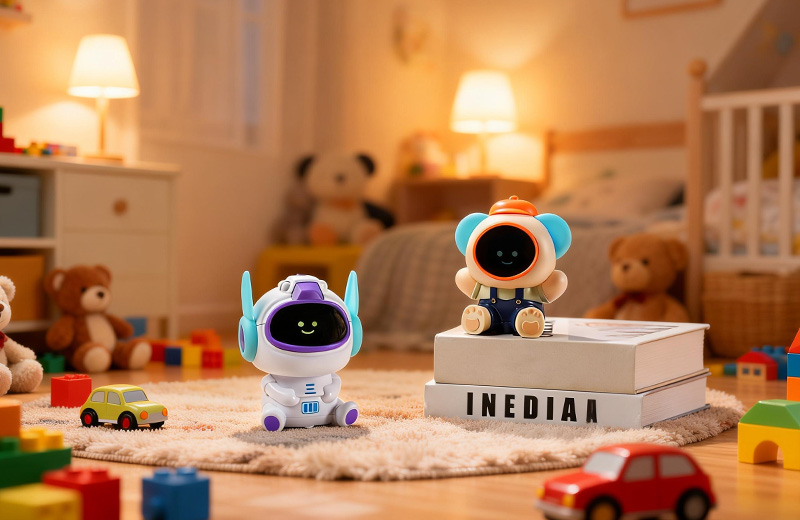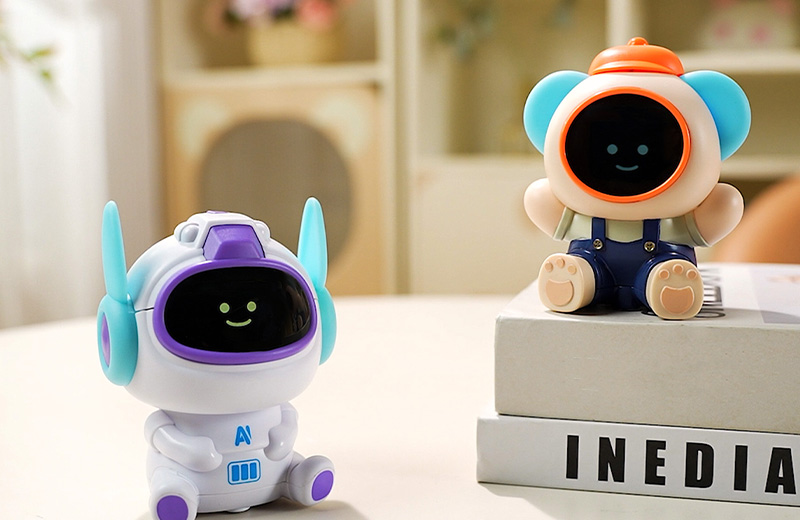



From a parent’s perspective, the biggest challenge is not a lack of love or intention, but a lack of hours in the day, because children need interaction, conversation, and feedback to grow, yet adults cannot always be fully available. This gap is where well-designed AI toys can act as a supportive assistant rather than a replacement, offering responsive interaction, playful learning, and emotional engagement that fits naturally into daily routines instead of interrupting them.
AI toys today are very different from traditional electronic toys that simply repeat sounds or flash lights, because they are built to listen, respond, remember, and adapt, which means a child does not just press a button but actually communicates, asks questions, and explores ideas through conversation and action. For parents, this matters because meaningful interaction supports language development, curiosity, and confidence, especially during early childhood when kids learn best through play rather than instruction.
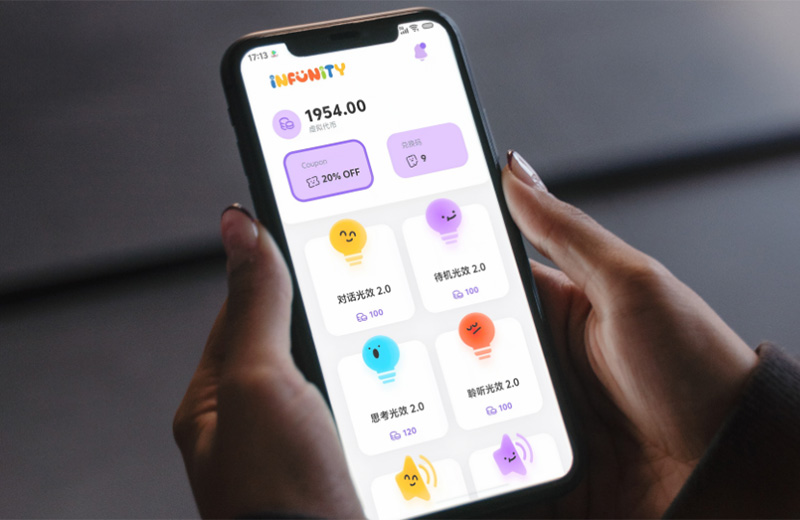
Take INFUNITY, for example, a brand that approaches AI toys from a parent-first mindset, focusing not only on what children find exciting, but also on what parents care about most, such as safety, educational value, emotional impact, and long-term engagement. INFUNITY’s AI toys are designed to sit comfortably between fun and learning, creating experiences that feel like play to children while quietly supporting growth in thinking, language, and imagination.
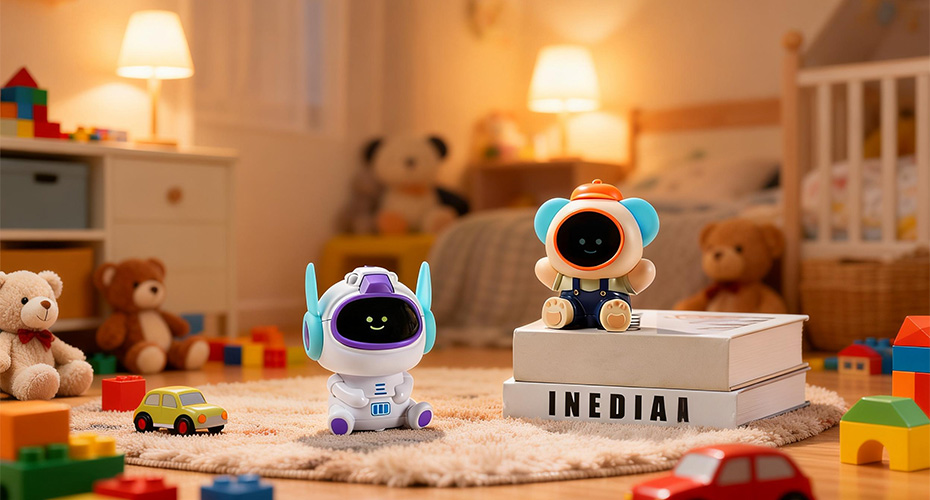
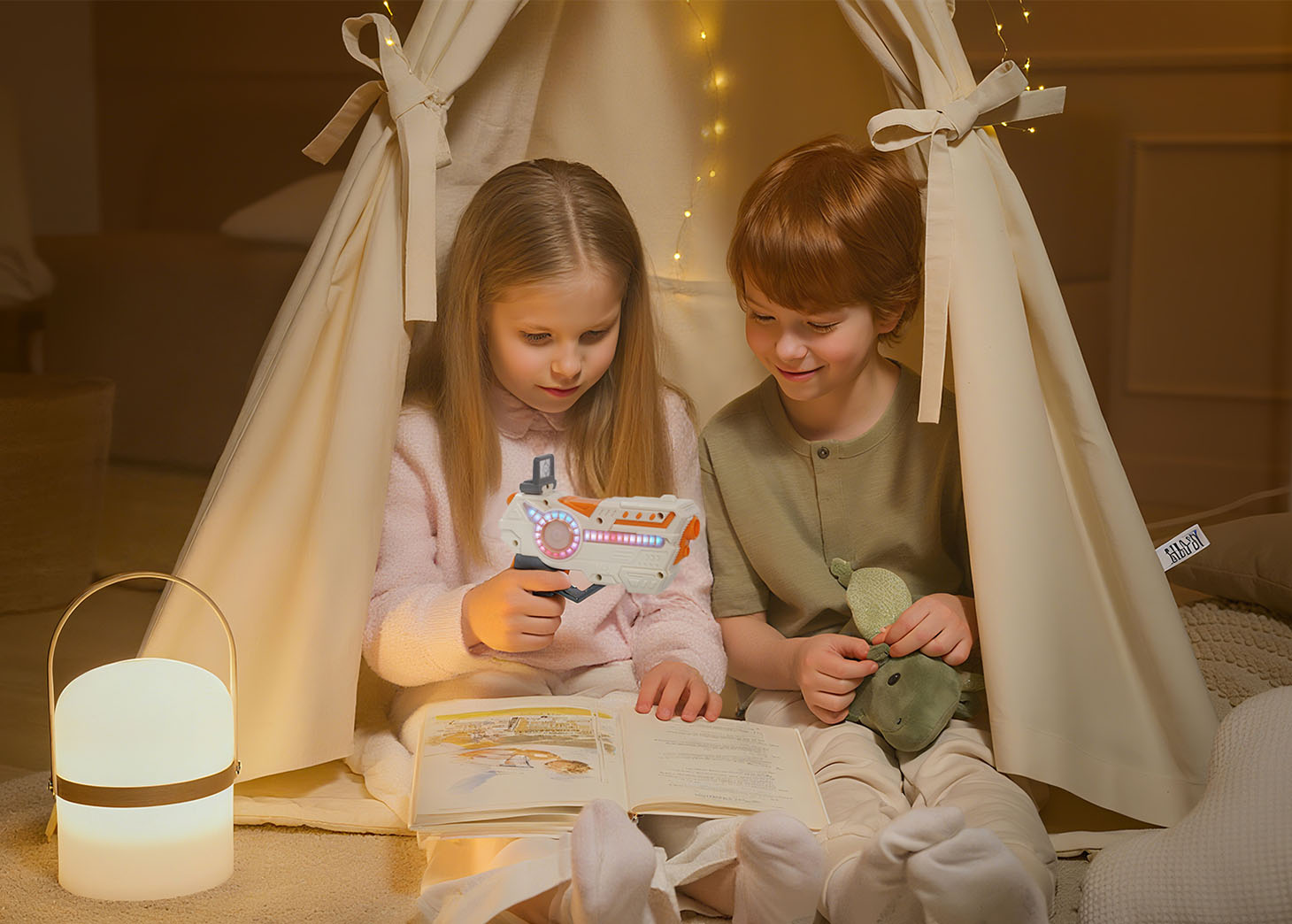
In real daily scenarios, the value of AI toys becomes very clear, because parenting is full of small moments that add up. Imagine a busy weekday evening when a parent is preparing dinner, answering emails, or tidying up, and a child is full of energy and questions, wanting attention and stimulation. Instead of defaulting to a tablet or television, an AI toy from INFUNITY can step in as an interactive companion, talking with the child, asking questions back, guiding a short game, or encouraging a creative challenge that keeps the child mentally engaged rather than passively entertained.
Another common situation is independent play, which many parents want to encourage but often struggle to support, because children sometimes feel bored or unsure what to do next when playing alone. AI toys help bridge this gap by actively guiding play, offering prompts, stories, or missions that give children a sense of direction and purpose, which helps them stay engaged longer and build confidence in exploring on their own.
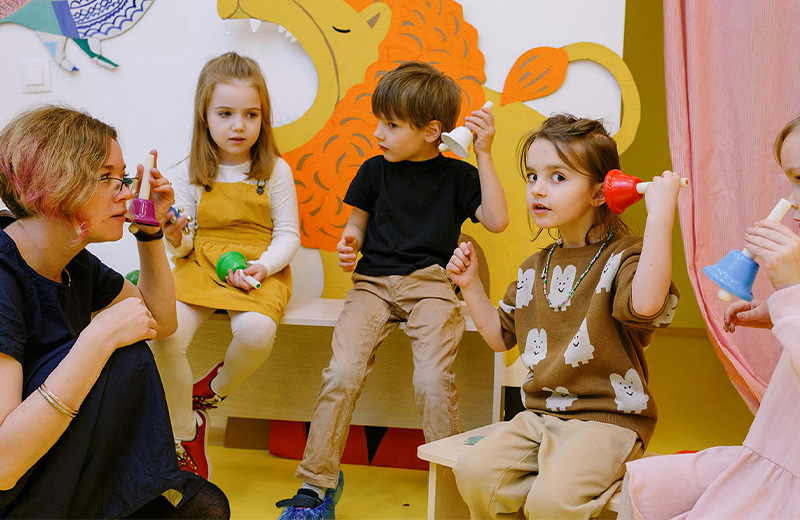
For parents who care about learning through everyday moments, AI toys also bring educational support into normal routines without feeling forced. Through conversation, object recognition, storytelling, or language interaction, children absorb new words, concepts, and ideas naturally, while parents gain peace of mind knowing that playtime is not disconnected from development. INFUNITY places strong emphasis on this balance, ensuring that learning feels organic and curiosity-driven rather than scripted or repetitive.
Of course, modern parents are also thoughtful about balance, because no tool, no matter how smart, should replace human connection. AI toys work best when they are part of a healthy mix that includes parent-child interaction, outdoor play, social time, and rest. The real advantage of AI toys is not that they do everything, but that they support parents in doing things better, reducing stress, filling small gaps, and creating more opportunities for positive engagement.
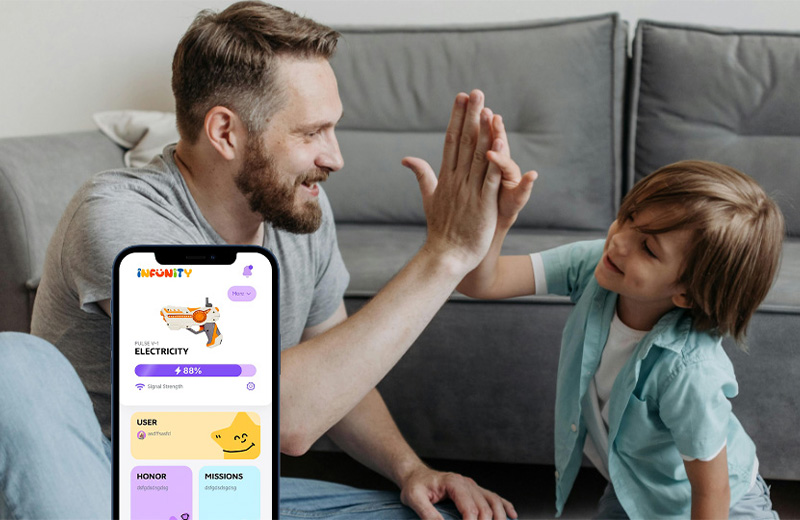
INFUNITY understands this balance deeply, which is why their products are designed with parental insight in mind, offering features that encourage shared experiences, conversation starters, and moments where parents can easily join in rather than step away. When a child excitedly explains what they learned from their AI toy or asks a parent to play along, the toy becomes a bridge, not a barrier, strengthening connection instead of replacing it.
In the bigger picture, AI toys represent a shift in how we think about parenting tools, moving away from simple distraction toward meaningful interaction. For parents navigating the complexities of modern family life, brands like INFUNITY show that technology does not have to compete with human care, but can instead support it, offering smart assistance, thoughtful design, and playful learning that fits into real homes with real schedules.
In the end, the role of AI toys in modern parenting is not about doing more, but about doing better, helping parents feel supported, children feel engaged, and everyday moments feel just a little more manageable, a little more creative, and a lot more connected.
 Recommended for You