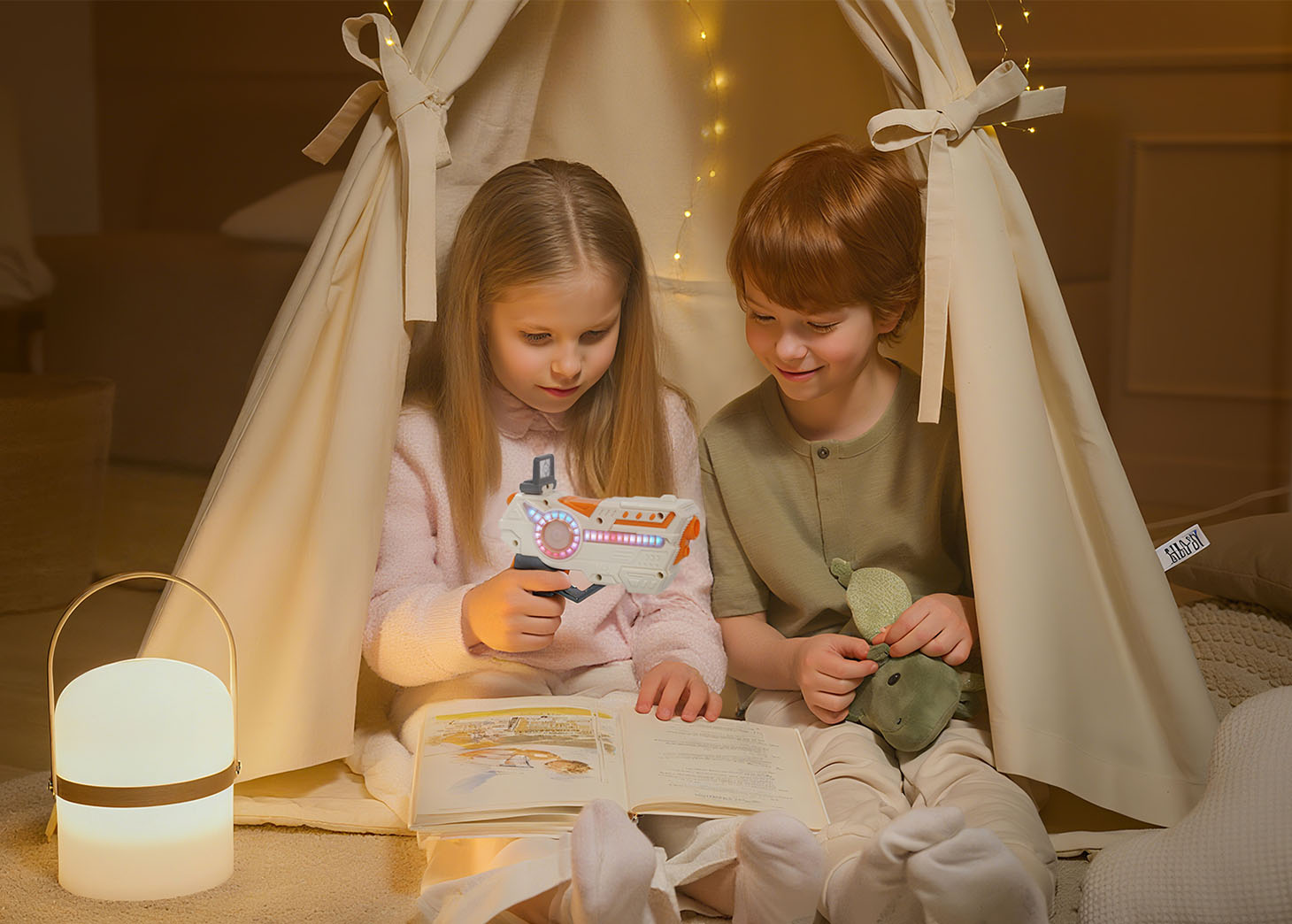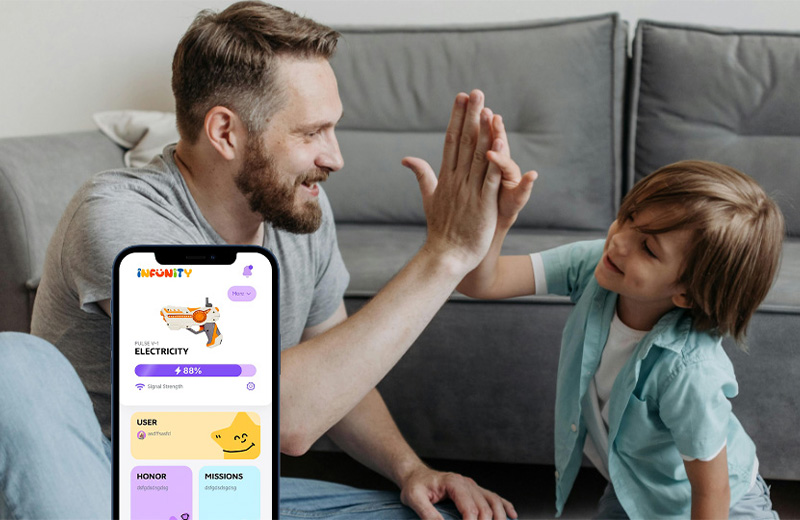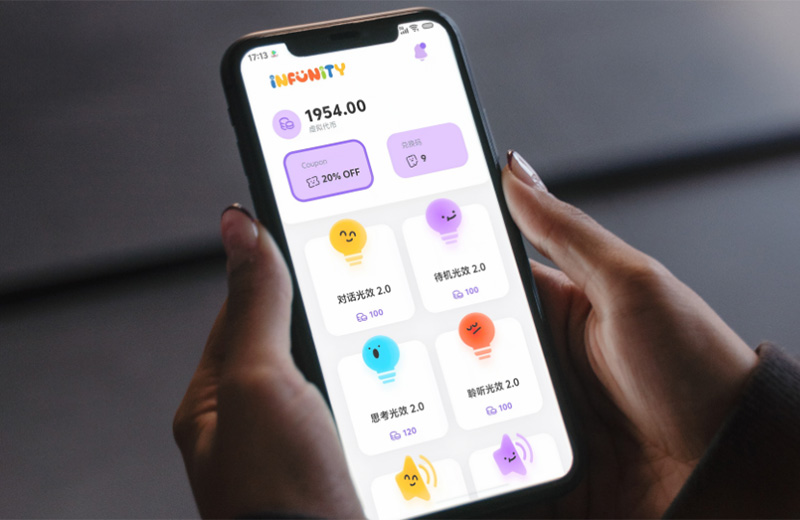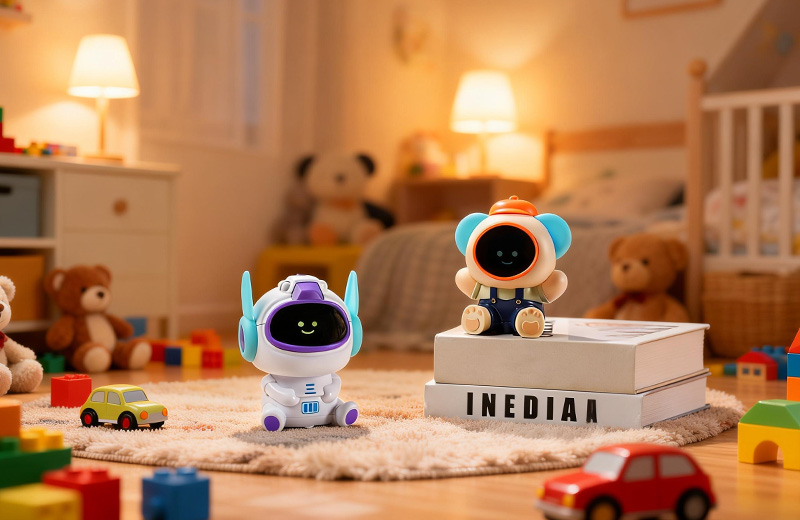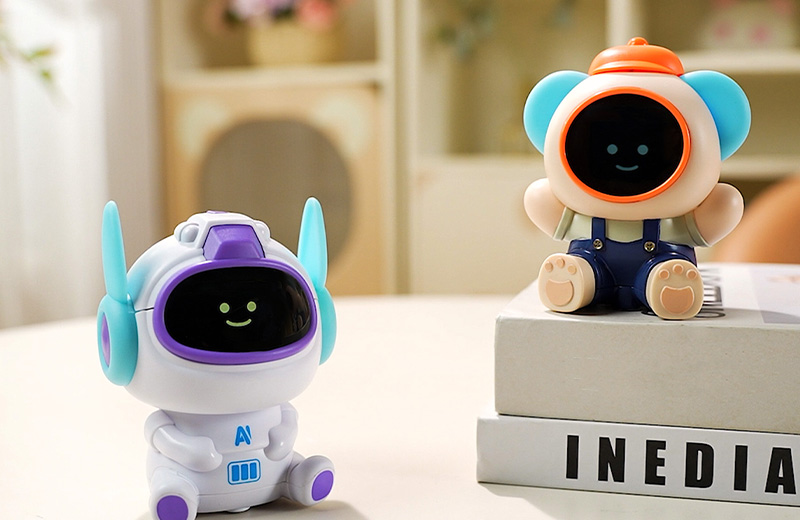



That is exactly why AI-powered toys for kids are starting to attract more attention from parents who want toys that do more than just flash lights or make random sounds, especially when the goal is to support learning and emotional growth without forcing structure or pressure.
At this stage, children are no longer only touching and shaking toys, but are actively trying to understand cause and effect, language patterns, and social responses, which makes AI-powered toys for kids particularly interesting for families with 3-year-olds.
Why Age Three Is a Turning Point for Smart Play
Around the age of three, children begin moving from purely sensory play into imaginative and symbolic play, which means they start pretending, role-playing, naming objects, and even assigning personalities to toys, often treating them like real companions.
Traditional toys can support this development to some extent, but AI-powered toys for kids add an extra layer by responding to the child’s voice, actions, or choices in ways that feel intentional rather than random.
Because the toy reacts differently depending on what the child does or says, the interaction feels more like a conversation than a one-way experience, which helps keep a 3-year-old engaged without requiring them to sit still, read instructions, or stare at a screen.
How AI Supports Learning Without Feeling Like Teaching
One of the biggest advantages of well-designed AI-powered toys for kids is that learning happens naturally through interaction, rather than through direct instruction, which is especially important for 3-year-olds who learn best when they feel like they are simply playing.
Instead of asking a child to complete tasks or follow rules, an AI toy might respond with stories, sounds, or gentle prompts that encourage naming colors, recognizing objects, or repeating simple words, all while keeping the experience playful and pressure-free.
This approach allows children to absorb information at their own pace, which is why many parents feel that AI-powered toys for kids are less overwhelming than traditional electronic learning toys.
Language Development Through Real Interaction
Language development is one of the most important milestones at age three, because children are rapidly expanding their vocabulary, forming longer sentences, and learning how conversation works.
Unlike passive toys that only play prerecorded sounds, AI-powered toys for kids can respond to a child’s voice, repeat words clearly, and encourage back-and-forth interaction, which makes language practice feel more natural and engaging.
When a toy reacts differently depending on what a child says, it reinforces the idea that words have meaning and impact, helping children build confidence in expressing themselves, even if their pronunciation or grammar is not yet perfect.
Emotional Awareness and Gentle Feedback
Beyond language and cognition, emotional development is another area where AI-powered toys for kids can quietly support 3-year-olds, because children at this age are just beginning to recognize emotions, both their own and those of others.
A toy that responds with excitement, encouragement, or calming sounds can help children associate actions with emotional feedback, which slowly builds emotional awareness without explicit teaching.
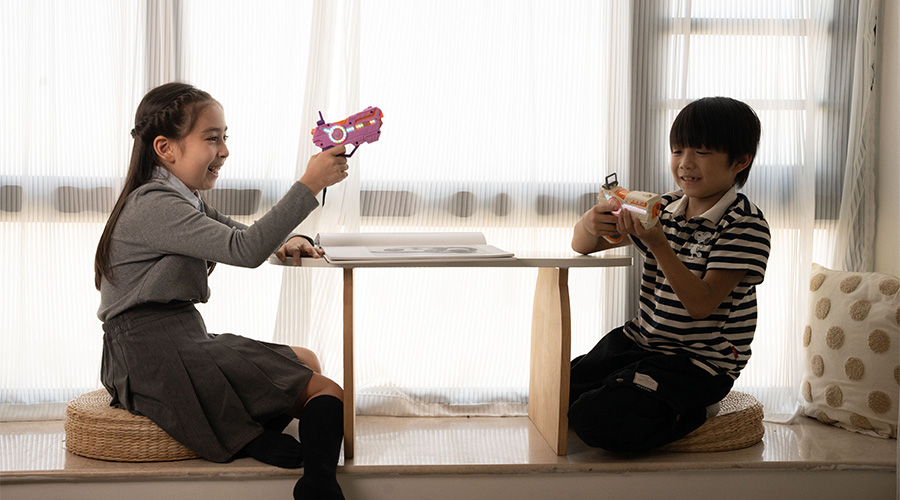
While these toys are not meant to replace human connection, they can offer an additional layer of emotional interaction that complements parental involvement, making AI-powered toys for kids feel warm and responsive rather than mechanical.
Encouraging Independent Play Without Isolation
As children grow, they naturally start exploring independent play, even though they still want adults nearby for security and reassurance.
Well-designed AI-powered toys for kids can support this transition by offering interactive companionship that allows children to play on their own while still feeling engaged and guided.
A 3-year-old might talk to the toy, listen to a story, or explore sounds and responses, all while parents are nearby doing other tasks, which creates a balance between independence and connection rather than isolation.
No matter how advanced the technology is, AI-powered toys for kids designed for 3-year-olds must prioritize safety, simplicity, and intuitive interaction.
The best products avoid complex screens or confusing controls and instead focus on voice interaction, durable materials, and clear boundaries that prevent overstimulation.
Parents are increasingly comfortable choosing AI-powered toys for kids when they see that the technology adapts to the child’s pace instead of pushing constant stimulation, which is especially important for young children who need calm moments as much as excitement.
AI Toys as a Complement, Not a Replacement
It is important to understand that AI-powered toys for kids are not meant to replace traditional toys like plush animals, building blocks, or picture books, but rather to complement them by adding interaction, storytelling, and responsive feedback.
When children combine physical play with intelligent interaction, they experience a richer form of play that supports both imagination and learning.
In this way, AI-powered toys for kids become part of a balanced play environment, rather than the center of it.
For 3-year-old children, play is how they explore the world, test ideas, and express emotions, which is why toys need to feel natural, responsive, and safe.
When designed thoughtfully, AI-powered toys for kids fit seamlessly into this stage of development by offering interaction, language exposure, and emotional feedback without turning playtime into a lesson.
As technology continues to evolve, the future of early childhood play is not about replacing imagination, but about supporting it in ways that feel human, gentle, and engaging, especially through the growing role of AI-powered toys for kids in modern families.
 Recommended for You