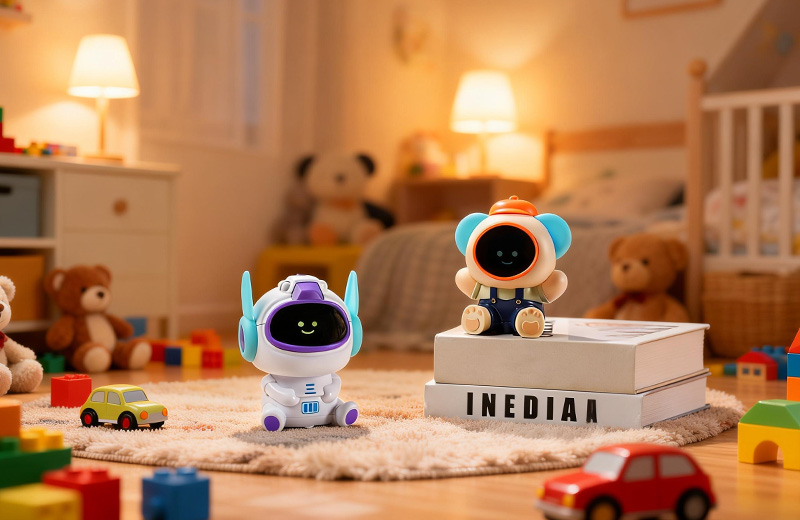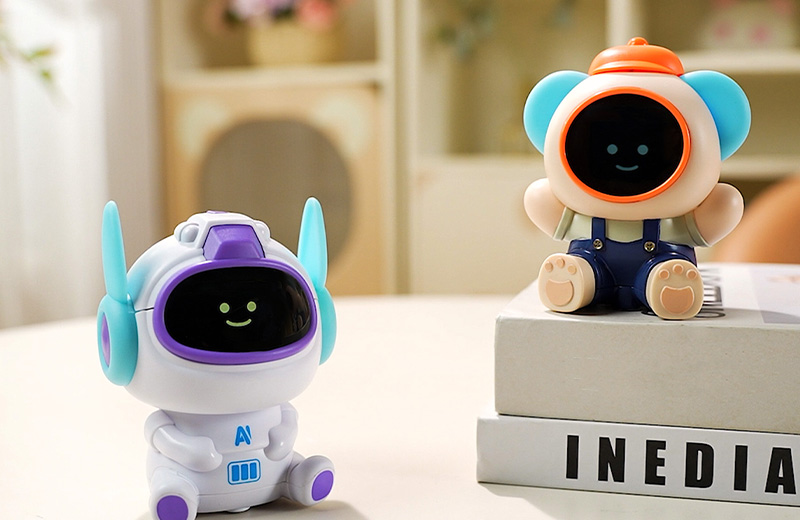


So when people ask, “What are the examples of plush toys?”, the answer is more than just “teddy bears.” In today’s market, plush toys show up in a lot of different forms, serving very different business goals.
Common Types of Plush Toys You See in the Market
1. Classic Animal Plush Toys
This is where most people’s first impression comes from—bears, rabbits, dogs, cats, dinosaurs, and all the familiar animal shapes. These plush toys don’t rely on complex features. What they sell is comfort, softness, and a sense of security.
From a factory point of view, these products are not as “easy” as they look. Fabric quality, stitching strength, filling balance, and safety standards matter a lot. Buyers who’ve worked with unstable suppliers usually learn this the hard way.
2. IP and Character Plush Toys
Once you bring IP into the picture, plush toys become something else entirely. These products aren’t just toys anymore, they’re brand extensions.
Whether it’s animation characters, game figures, or custom mascots, this type of plush toy needs to look right at first glance. Small changes in shape or facial expression can affect how the market reacts. That’s why many brands prefer ODM partners who can help adjust designs for mass production instead of just copying drawings.
3. Emotional Companion Plush Toys
This category has been growing fast, especially overseas. These plush toys are bought not only for kids, but also for teens and even adults.
They focus less on “playing” and more on emotional connection. The toy becomes something you keep on your bed, desk, or couch. From a product strategy perspective, this means higher expectations for durability, fabric feel, and long-term use.
4. Functional or Interactive Plush Toys
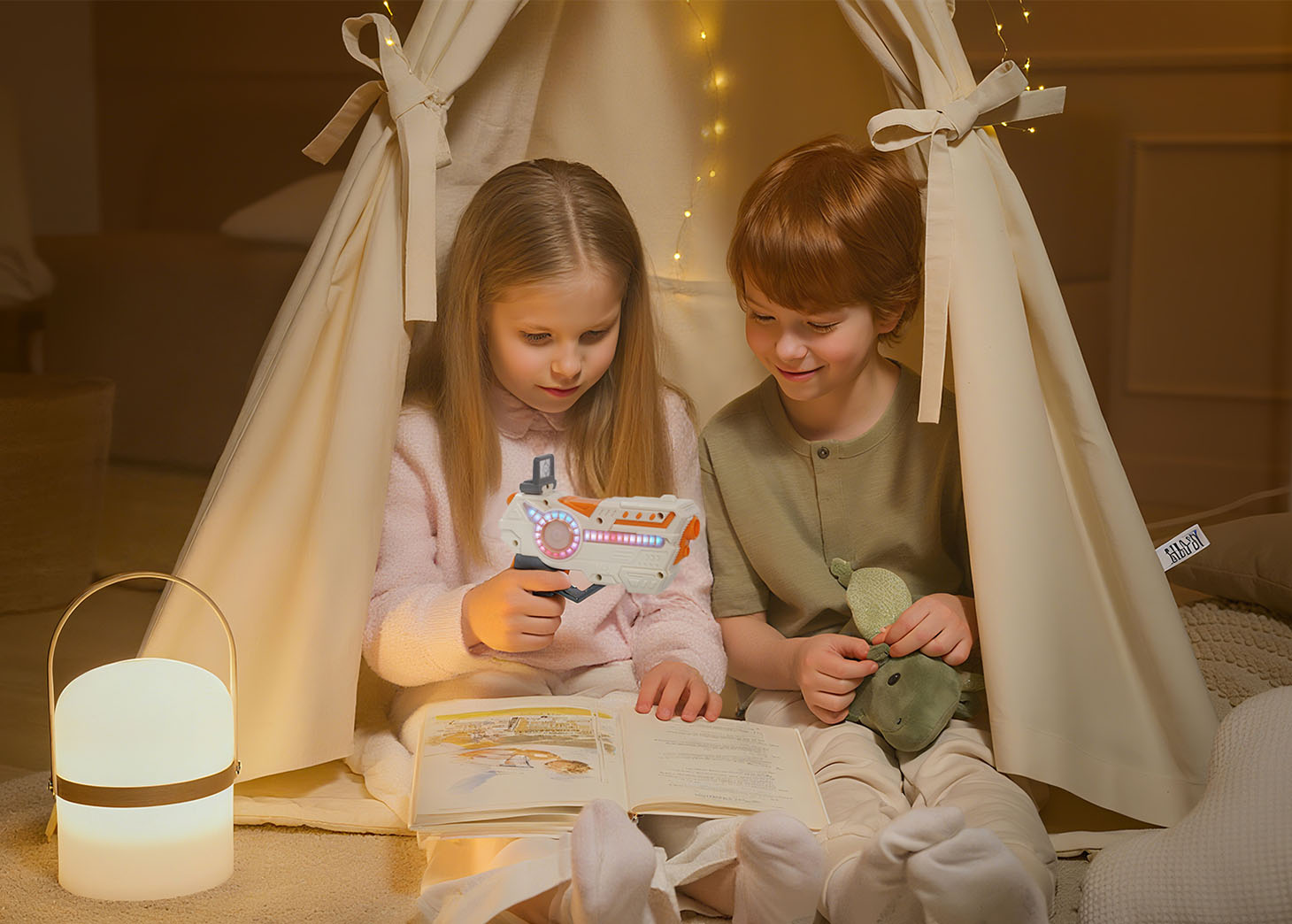
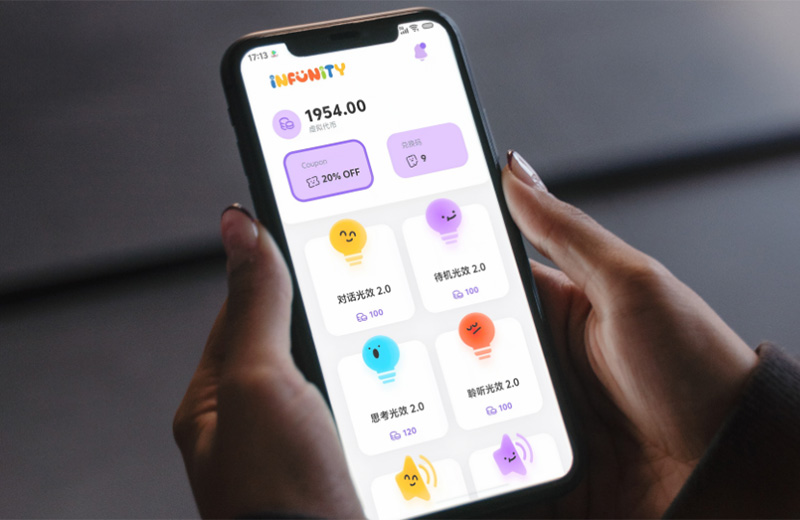
Some plush toys sit right in the middle between traditional and smart toys. They may include sound, lights, or simple interactive features, while still keeping the soft, friendly feel.
For many brands, this type of plush toy is a stepping stone. It allows them to test interactive concepts without jumping straight into high-cost electronic toys.
How INFUNITY Looks at Plush Toys
At INFUNITY plush toys are not treated as “just soft toys.” They’re seen as flexible product carriers that can support different brand ideas and market needs.
With more than 20 years of experience in toy manufacturing behind the team, INFUNITY focuses on plush toy products that are:
Safe and compliant with international standards
Stable in mass production, not just good in samples
Easy to customize for branding, IP, or functional upgrades
This approach makes it easier for brands to build long-term product lines instead of one-off items.
OEM and ODM Cooperation: How Brands Actually Work with INFUNITY
INFUNITY works with partners in two main ways, depending on how ready the brand is.
OEM Cooperation
If you already have designs and clear requirements, INFUNITY handles the manufacturing side. That includes materials, production, quality control, and export support. This model works well for brands that want reliable output and consistent quality.
ODM Cooperation
For brands that only have an idea or a rough direction, INFUNITY’s ODM service goes deeper. The team helps with concept development, structure adjustments, sampling, and production planning. This saves time and reduces trial-and-error costs, especially for newer brands.
Because production and development are closely connected, changes can be made faster and with fewer surprises when moving into mass production.
Plush Toys Still Matter, Just in a Different Way
Plush toys haven’t been replaced by technology. They’ve adapted. From classic animal designs to IP characters and interactive companions, they continue to fit into new markets and new business models.
For brands and buyers, plush toys are no longer just basic products. They’re tools for building emotional connection and long-term value. And with the right OEM or ODM partner, they can stay relevant for a long time.
 Recommended for You