

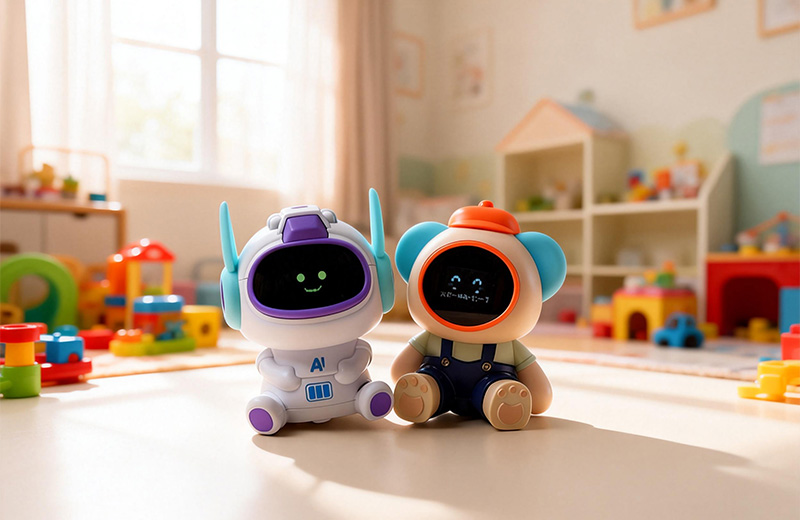
Some children learn best through what they see. Some absorb information through what they hear. Others need to move, touch, and physically engage with the world before something truly makes sense. A well-designed AI robot toy does not force children into a single learning pattern. Instead, it adapts across visual, auditory, and kinesthetic styles, creating a smoother and more natural learning experience.
Visual Learners: Seeing Is Understanding
For visual learners, images, colors, patterns, and spatial cues are powerful tools. An advanced AI robot toy can respond to this need in several ways without making the learning feel rigid or instructional.
For example, when a child scans an object, the robot can display lighting changes, color-coded feedback, or animated responses that visually reinforce what is being learned. If the robot recognizes a fruit, it can activate specific light patterns while explaining its name and features, helping the child associate color, shape, and information together. Over time, this repeated visual reinforcement strengthens memory and pattern recognition.
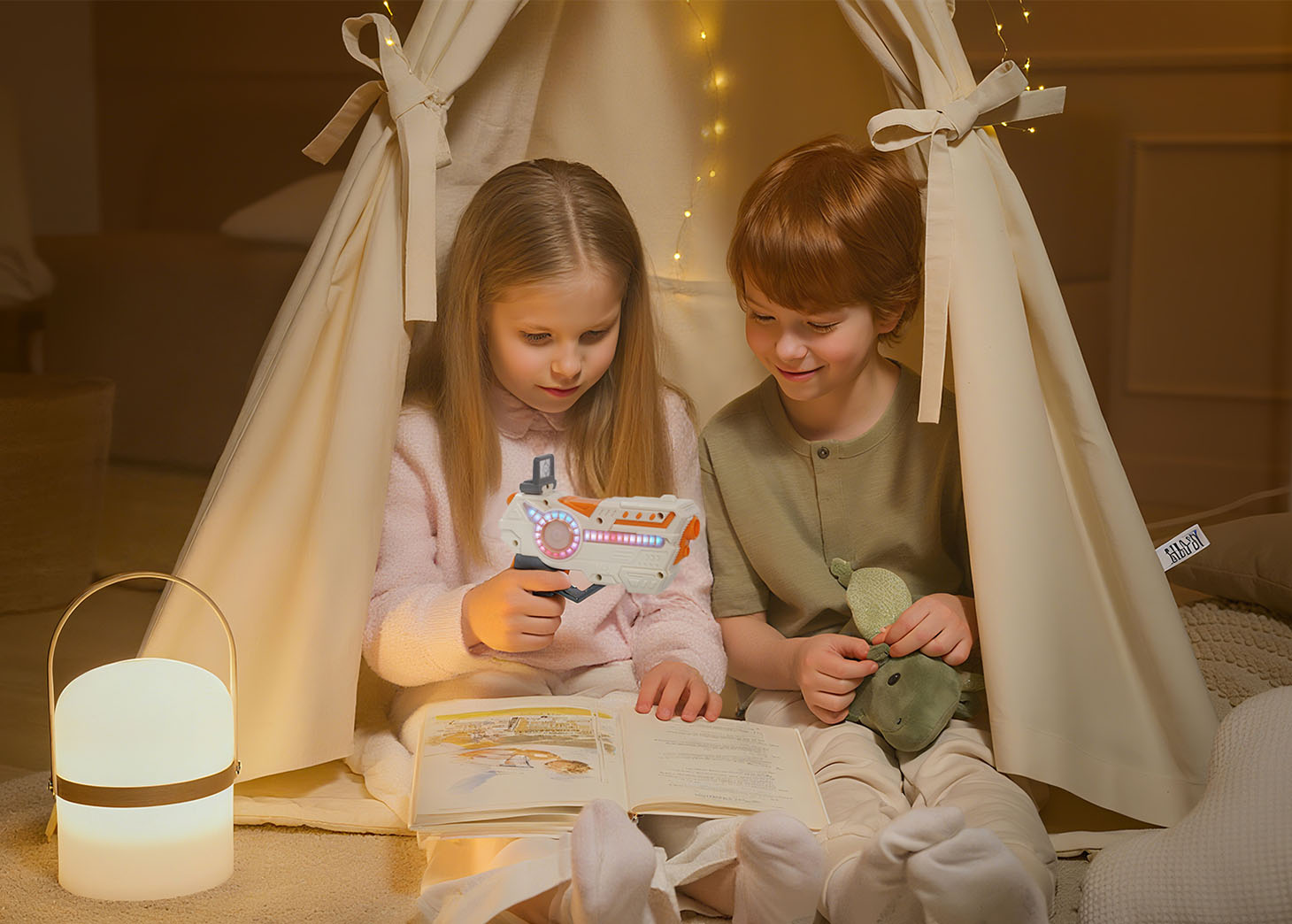
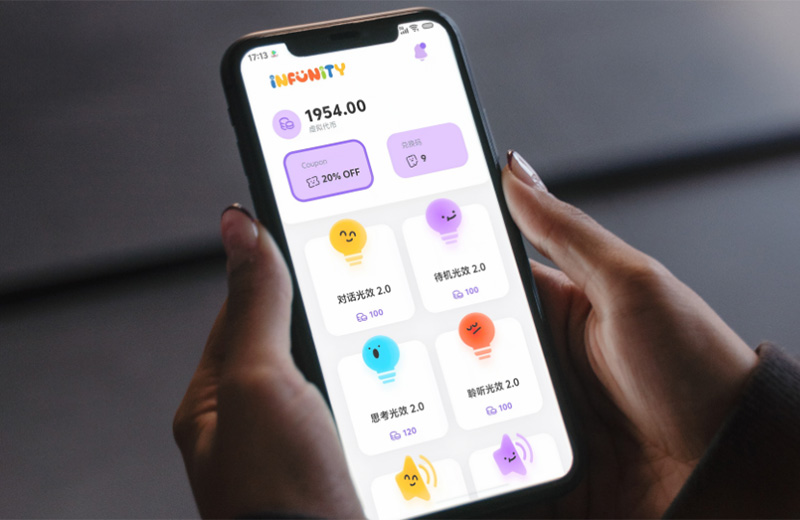
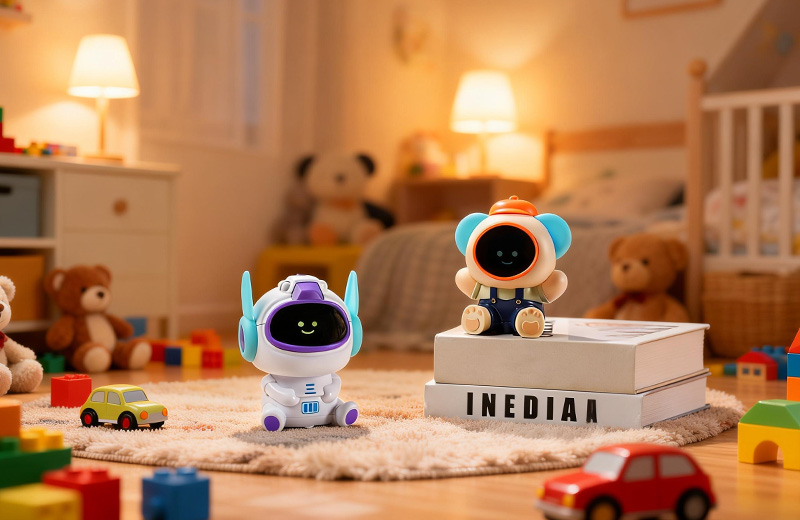
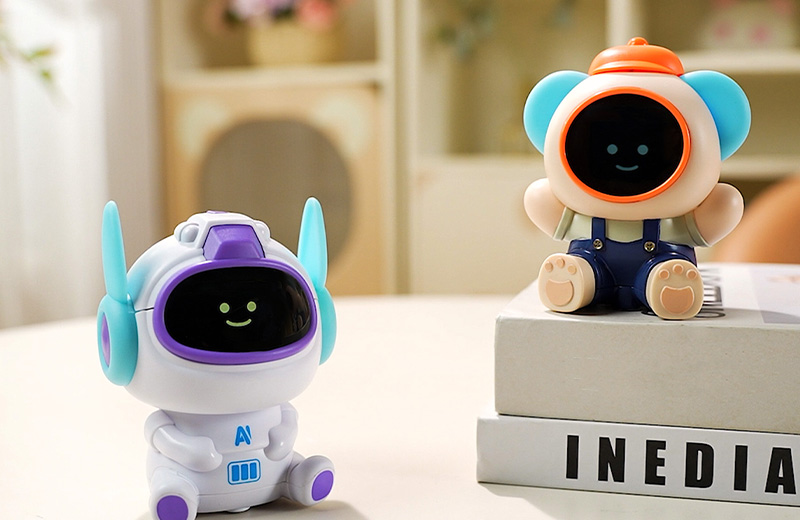
In products like PULSE V-1, developed by 深圳市创趣无限智能设备有限公司 under the INFUNITY brand, RGB lighting effects are not simply decorative. They shift depending on mode changes, interactions, and feedback, subtly supporting visual processing while maintaining a strong sense of play. For a visual learner, these dynamic cues transform abstract knowledge into something concrete and memorable.
Auditory Learners: Learning Through Dialogue and Story
Auditory learners thrive on conversation, rhythm, storytelling, and verbal repetition. For them, learning happens most effectively when information is spoken, discussed, and contextualized in narrative form.
This is where the intelligence of an AI robot toy becomes especially meaningful. Instead of replaying generic phrases, an advanced system can initiate conversations, ask follow-up questions, and build continuity through long-term memory. When a child scans an object, the robot might not only name it but also tell a short story about it, explain how it is used, or introduce it in another language.
Because auditory learners often respond well to tone and emotional variation, customized voice packs and dynamic dialogue reduce monotony and keep engagement high. A robot that can remember previous conversations and reference them later creates a sense of relationship rather than repetition. The child feels heard, which encourages more verbal interaction and, in turn, deeper language development.
Kinesthetic Learners: Movement Builds Meaning
Kinesthetic learners need motion and physical interaction to internalize knowledge. Sitting still and listening is rarely enough. They learn by doing.
An AI robot toy designed with interactive modes can bridge this gap effectively. Switching between shooting mode and intelligent mode, scanning objects, triggering sound effects, and responding to physical gestures all create a learning loop that involves the body as well as the mind.
When a child scans an object and receives permission to “activate” a mode or perform an action, the learning becomes task-oriented and immersive. Movement is not separate from education; it becomes part of the educational structure. This approach supports motor skills, coordination, and spatial awareness while embedding cognitive information within action.
The key is balance. Physical interaction should not distract from learning but should enhance retention. When the robot encourages exploration—“Try scanning something blue,” or “Can you find an object that makes sound?”—it gently guides kinesthetic learners toward purposeful discovery.
True Personalization: Blending Styles Naturally
In reality, most children are not purely visual, purely auditory, or purely kinesthetic. They are a blend, and their preferences can shift depending on context. That is why the most effective AI robot toy does not lock a child into a single pathway.
Through long-term memory systems, usage tracking, and app-based customization, modern AI toys can begin recognizing patterns. If a child frequently engages in conversation, the robot may lean into dialogue-based learning. If the child repeatedly scans objects and reacts to visual cues, the system can emphasize recognition games. If movement-driven interactions dominate, the toy can incorporate more action-based prompts.
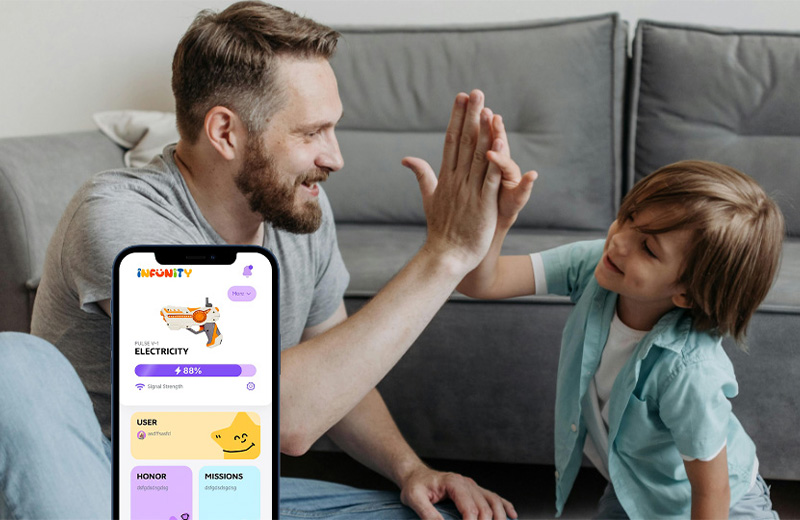
INFUNITY’s design philosophy emphasizes this adaptive flexibility. Rather than building a toy that simply reacts, the goal is to create a companion that evolves alongside the child. Weekly usage insights for parents further extend personalization by showing how a child interacts, what interests are emerging, and where curiosity naturally flows.
Why This Matters for Early Education
Between the ages of three and eight, children are building foundational language skills, cognitive frameworks, and self-confidence. During this stage, forcing a uniform teaching method can unintentionally limit potential. An adaptive AI robot toy creates a low-pressure environment where learning feels like play and exploration rather than instruction.
When a child feels successful—whether by recognizing an object, understanding a new word, or completing a small task—the emotional reward strengthens motivation. That motivation then fuels further curiosity. In this sense, personalization is not only about learning style. It is about emotional engagement and sustained interest.
The Future of AI Robot Learning Companions
As AI technology becomes more refined, the boundary between toy and tutor will continue to blur. However, the most successful products will not replace parents or traditional education. Instead, they will complement them, offering responsive interaction that adapts moment by moment.
An AI robot toy that understands visual, auditory, and kinesthetic differences is not just a piece of smart hardware. It is a bridge between entertainment and education, between imagination and structured knowledge. When designed thoughtfully, it respects how children naturally learn and supports them without overwhelming them.
In the end, adaptation is not about complexity. It is about responsiveness. And that is where AI-powered toys are quietly reshaping the future of personalized learning at home.
 Recommended for You