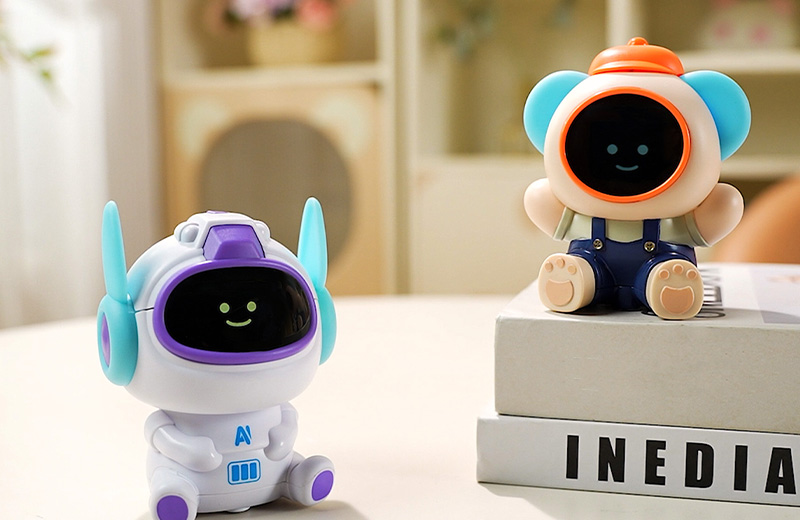


If you’ve been in the AI toy wholesale space for a while, you can probably feel it already—exporting isn’t as “easy” as it used to be. Costs are higher, rules are tighter, and overseas buyers are asking more questions than before. It’s no longer just about sending a container and waiting for repeat orders.
So the real question is not can you still export, but how you should export now.
1. The Rules Changed, Not the Opportunity
In the past, a lot of Chinese toy sellers relied on a simple model: competitive pricing, fast production, and large volumes. That model still works in some cases, but it’s definitely under pressure now.
Especially in the US and Europe, you’re dealing with:
stricter toy safety standards
more attention on data privacy (especially for anything “AI”)
platform compliance (Amazon, TikTok Shop, etc.)
unstable tariffs and logistics costs
At first glance, it feels like everything is getting harder. But if you look closer, these changes are actually filtering the market.
Low-end, similar-looking products are getting squeezed. Buyers are becoming more cautious, and they are not just asking “how cheap,” but “what’s different.”
2. Buyers Are Not Just Buying Toys Anymore
One thing that’s very obvious in recent wholesale inquiries is this:
buyers are not just looking for toys, they’re looking for “something that can sell.”
And what sells now?
products with interaction
products with a story
products that parents can justify buying (education, learning, etc.)
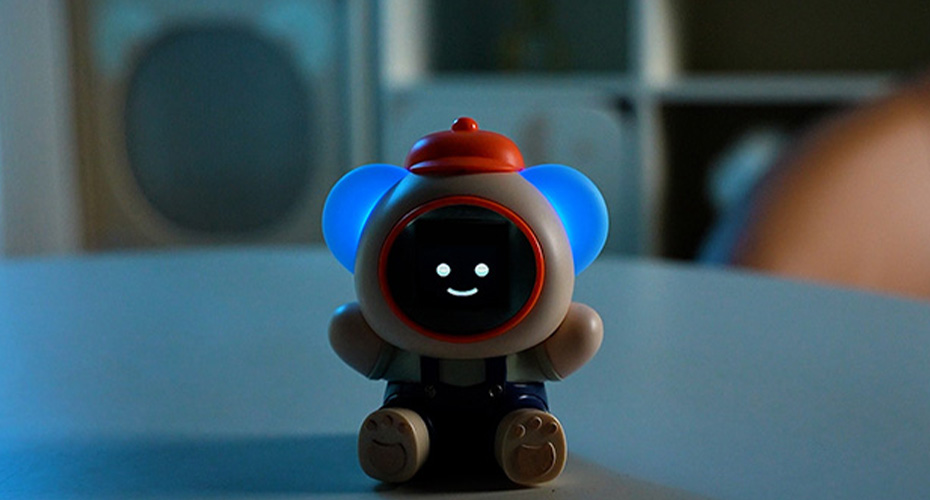
That’s exactly why AI toys are getting more attention. Not because they are “high-tech,” but because they solve a real problem: they keep kids engaged longer and give parents a reason to pay more.
3. Why Products Like INFUNITY’s Make More Sense Now
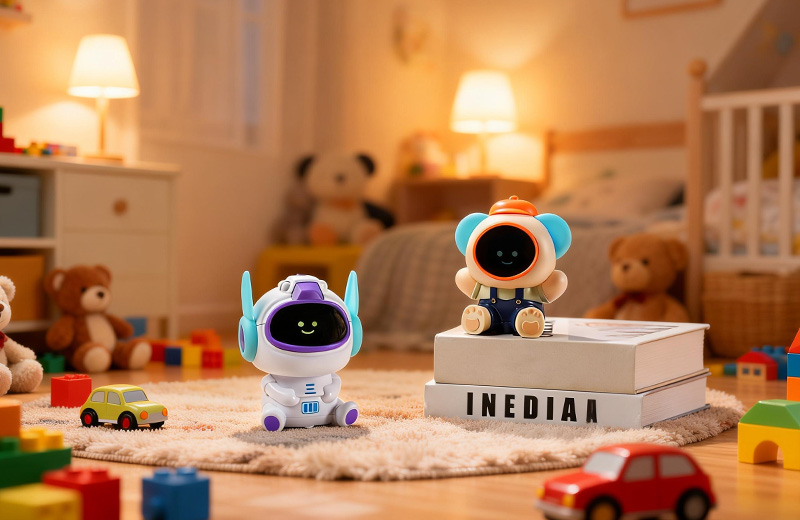
Take INFUNITY as an example. Compared to traditional toy factories, their thinking is a bit different. They are not just making toys, they are building something closer to an interactive experience.
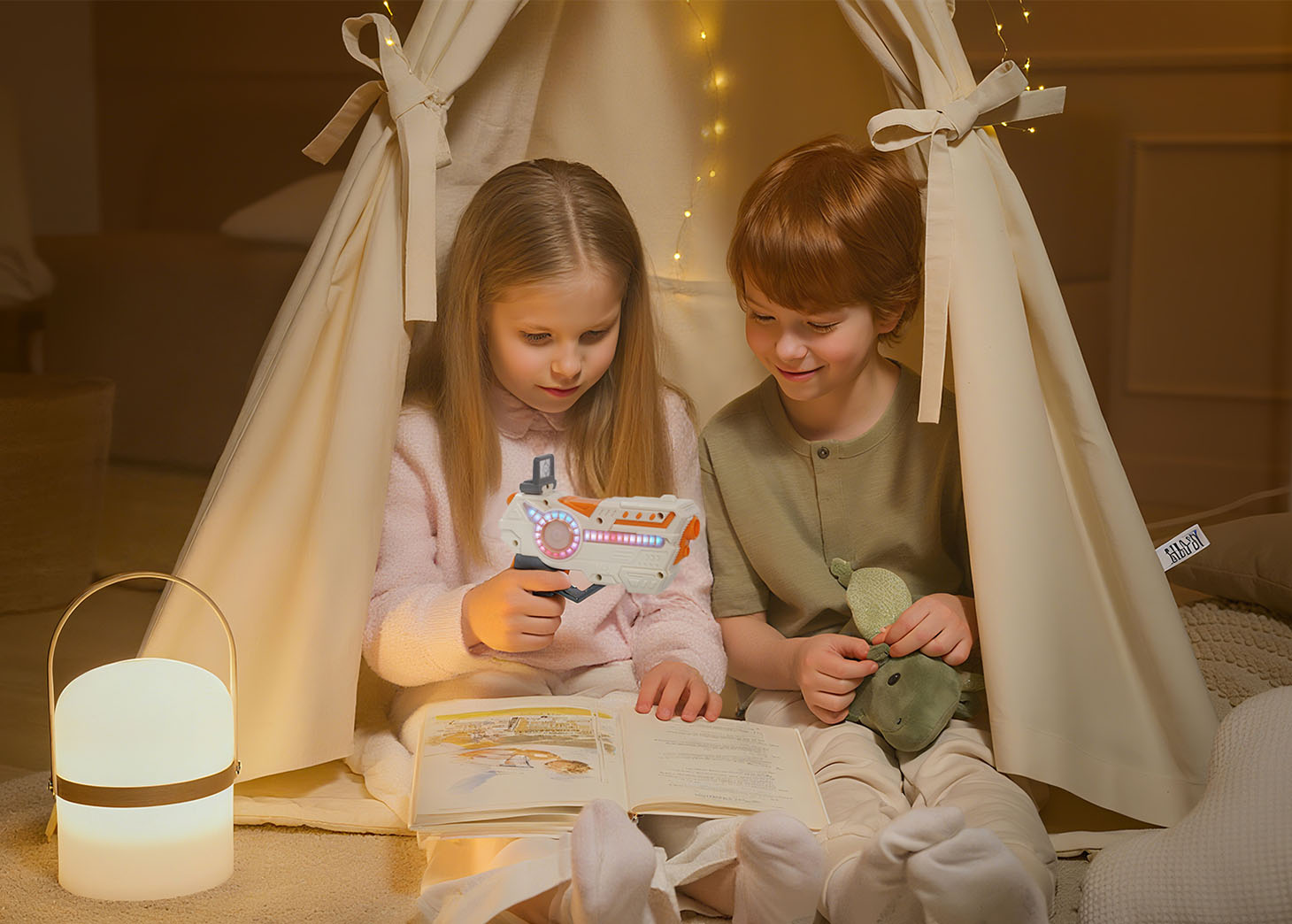
For instance, their PULSE V-1 AI toy is not just a “toy gun” in the traditional sense. It combines:
voice interaction (kids can actually talk to it)
object recognition (scan something, get feedback)
storytelling and learning features
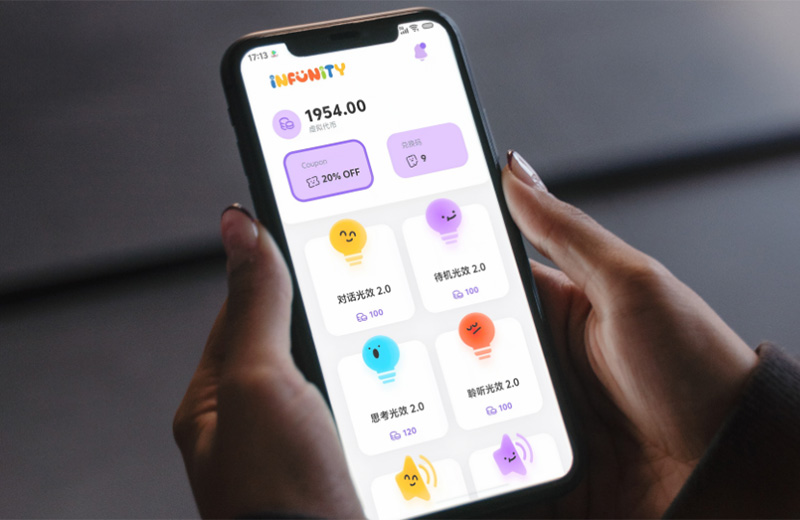
app connection for customization and engagement
From a wholesale perspective, this kind of product is much easier to position in today’s market.
Because now you’re not just selling a toy, you’re selling:
a learning tool
an interactive companion
something parents feel is “worth it”
That difference matters a lot when your buyers are comparing dozens of suppliers.
4. The Real Shift: From Price Competition to Value Selling
If you’re still competing mainly on price, export is going to feel tougher every year. There’s always someone cheaper, and policies only make margins tighter.
But if you switch your thinking to value, things start to look different.
Products like INFUNITY’s have a few advantages that fit the current environment:
higher perceived value → easier to absorb extra costs
more features → easier to market on TikTok or DTC sites
app + content → creates long-term user engagement
customizable → better for OEM / private label buyers
In other words, instead of fighting for the lowest price, you’re giving buyers a reason to choose you.
5. Export Is Still Worth It, But Not for Everyone
To be very straightforward:
if you’re doing basic, low-cost toys → it’s getting harder
if you’re moving toward smarter, differentiated products → the opportunity is still there
And actually, in some ways, it’s better now. Because the barrier is higher, competition is a bit “cleaner.”
Buyers are more serious. They are willing to test new categories like AI toys, especially when the product story is clear.
6. What You Should Be Thinking About Now
Instead of asking:
“What toy should I export?”
It’s more useful to think:
“Why would an overseas buyer pick my product?”
For AI toys, especially something like INFUNITY’s, the answer usually comes down to:
it’s different enough to stand out
it has a clear selling angle (education + interaction)
it works well with content marketing
it can be expanded (updates, app features, etc.)
That combination is what makes a product more “export-friendly” today.
The export business didn’t disappear, it just became more selective.
The easy orders might be fewer, but the quality of opportunities is actually improving. If you are willing to move away from pure price competition and start thinking in terms of product experience and user value, then AI toys are a very interesting direction.
And brands like INFUNITY are basically showing what that transition looks like in real life: not just making toys, but building products that people actually want to keep using.
That’s the kind of thing that still sells overseas.
 Recommended for You