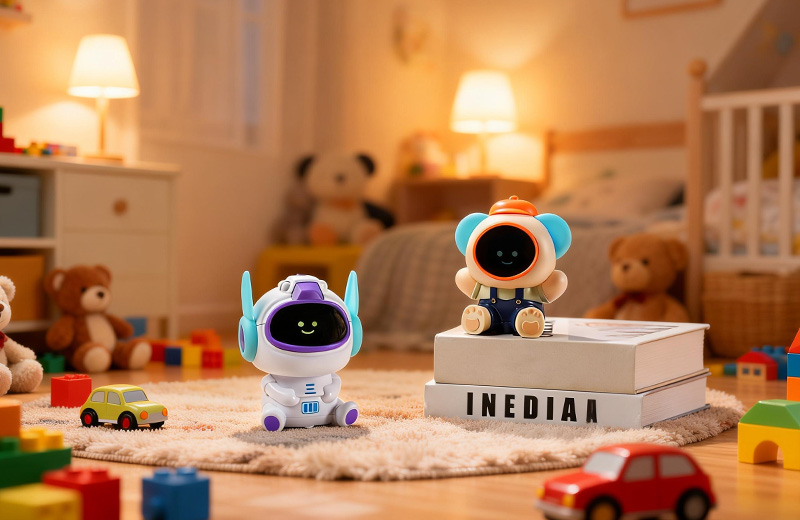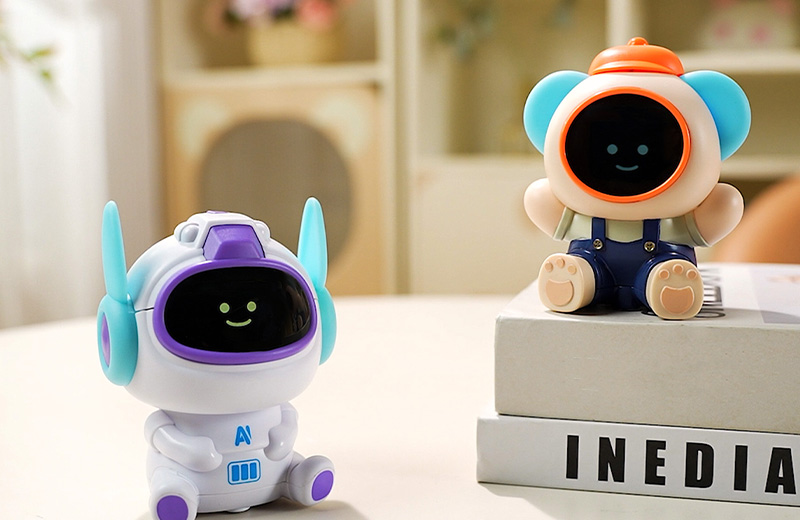



It’s a fair concern, and honestly, it’s one the industry can’t afford to brush aside anymore. Over the past year, there have been growing discussions around how some AI toys, especially those built on open-ended chat systems, sometimes respond in ways that feel too unpredictable for young children. The issue usually isn’t the AI itself, but how loosely the interaction is designed. If a toy can say almost anything, it only takes one awkward or off-topic response for parents to lose trust.
That’s why when people ask are AI toys safe for kids, the real conversation has moved well beyond traditional toy safety. Of course, materials, battery design, and durability still matter, but smart toys now introduce a different layer of responsibility. Parents are also thinking about what kind of language the toy uses, whether it can gently guide a child’s curiosity, how much data it remembers, and whether the overall experience feels healthy rather than overstimulating.
The brands doing this well are the ones treating AI as part of a guided play system, not just a “talking feature.” That’s a big difference, and it’s where companies with real toy-making experience tend to stand out.
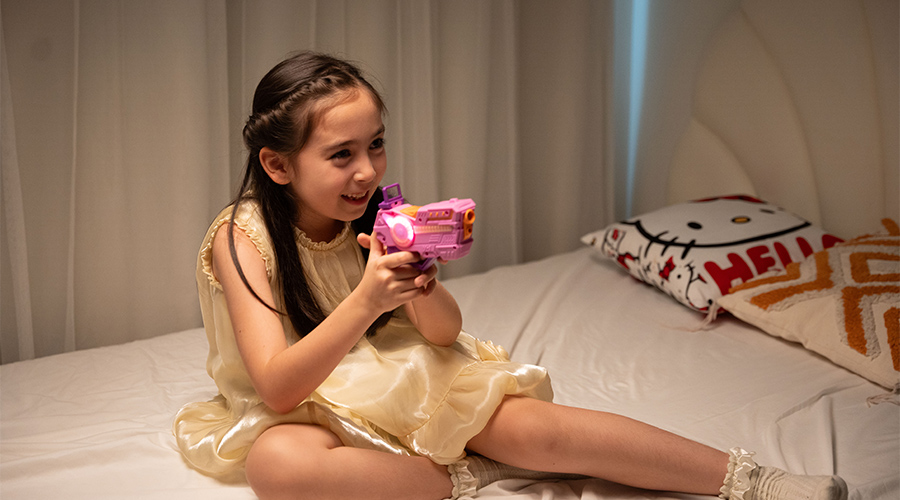
INFUNITY is a good example of this shift. With more than 20 years of manufacturing background behind the team, the company approaches AI toys from the perspective of child behavior, product safety, and long-term play value first, then layers AI on top in a way that feels intentional. Instead of building toys that simply keep chatting, the focus is on creating clear interaction paths that help kids explore stories, objects, and language in a way that still feels playful.
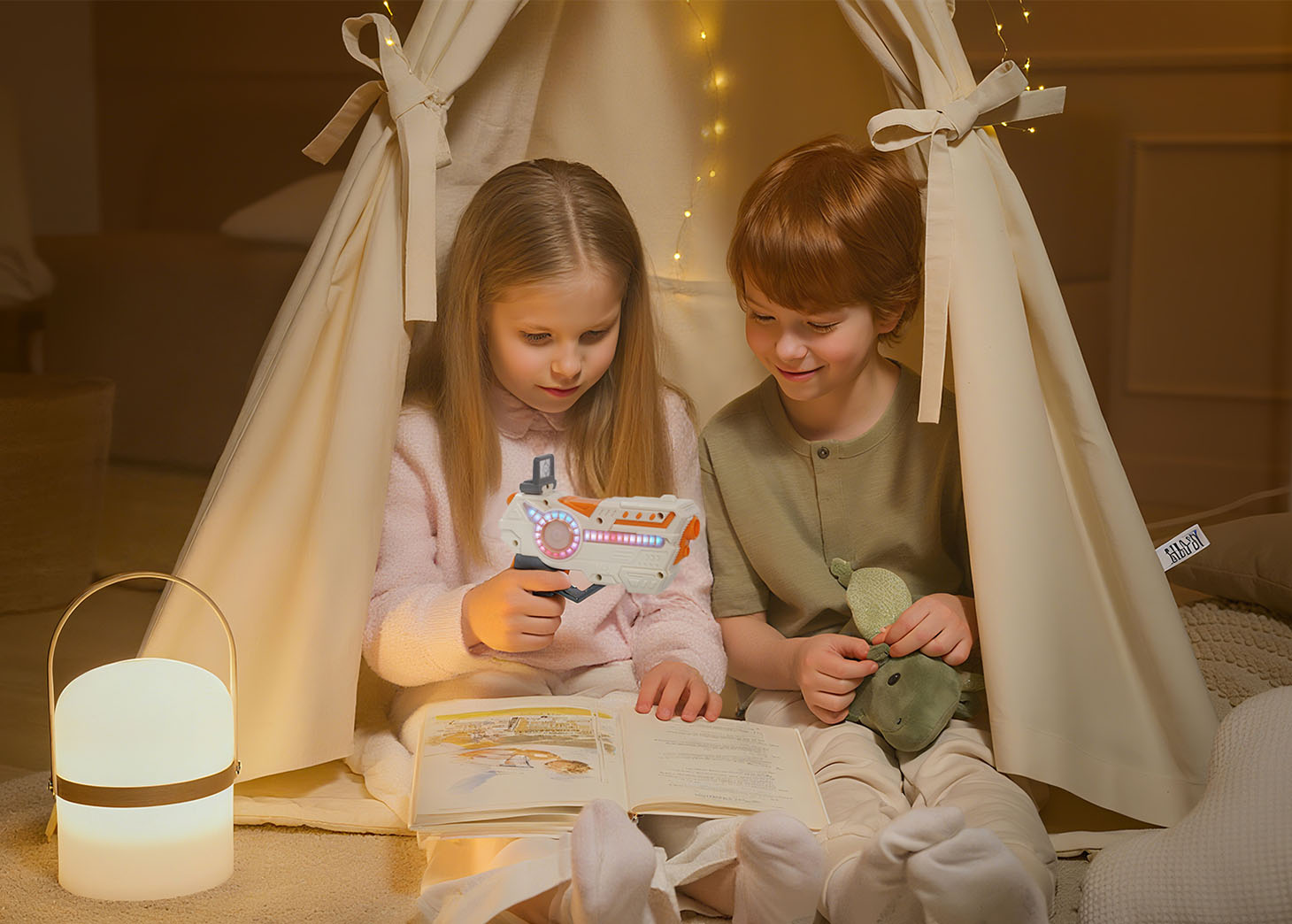
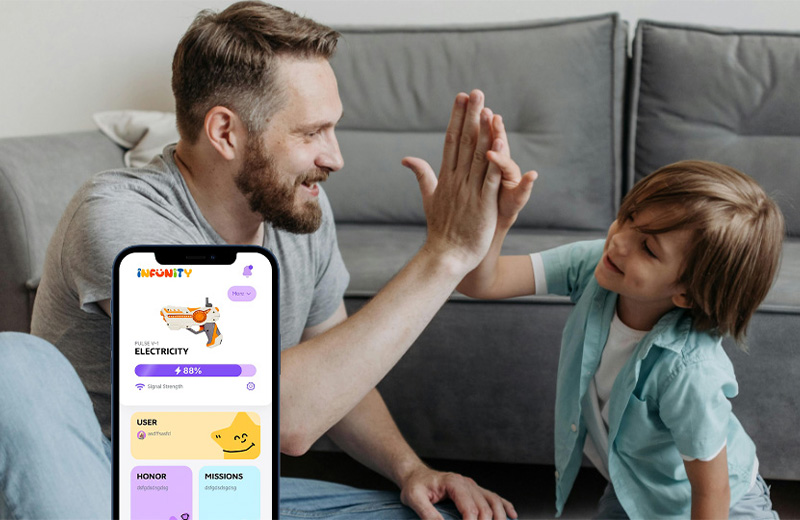
You can see that clearly in the PULSE V-1 AI smart toy. The product separates fun and learning into two smooth experiences: an action play mode and a smart mode. In one setting, kids get the excitement of lights, sound effects, and imaginative sci-fi role-play. In the other, the built-in camera and voice system help them recognize objects, hear connected stories, learn simple science facts, and even pick up multilingual vocabulary through everyday play. It feels less like handing a child an AI chatbot and more like giving them a guided adventure tool, which is exactly why the safety conversation around AI toys is becoming more nuanced.
For a lot of families, what they really want isn’t “more AI.” They want toys that can hold a child’s attention in a meaningful way, encourage them to ask questions, and make screen-free learning feel natural. And from the buyer side, especially for wholesalers and overseas partners, the question behind are AI toys safe for kids is often tied to something even more practical: can this product meet global expectations for both smart interaction and child-safe design?
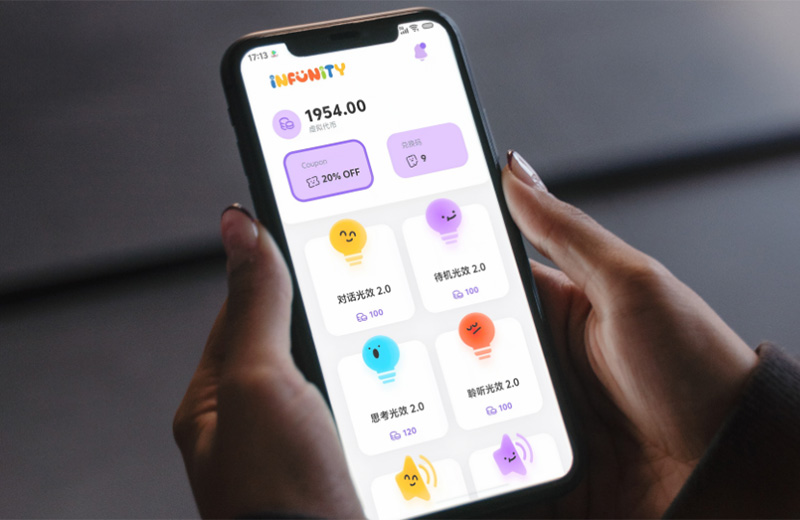
That’s where companies with full-chain control have a real edge. When the same team oversees product design, hardware engineering, software logic, app features, and after-sales support, it becomes much easier to create a consistent and trustworthy experience. INFUNITY’s integrated structure—from R&D to factory production to lifecycle service—helps make sure the smart features stay aligned with how children actually use the toy at home.
In a way, the future of this category may come down to a simple mindset shift. The best AI toys won’t be the ones that sound the smartest. They’ll be the ones that understand kids the best. When AI is used to support imagination, language growth, confidence, and discovery, it starts to feel less like technology for technology’s sake and more like what toys have always been meant to do: help children make sense of the world around them.
So when parents or buyers ask are AI toys safe for kids, the better question might be this: was this product designed by people who understand both AI and childhood? The brands that can confidently answer yes are the ones most likely to define the next generation of smart play, and that’s exactly where INFUNITY is building its position.
 Recommended for You