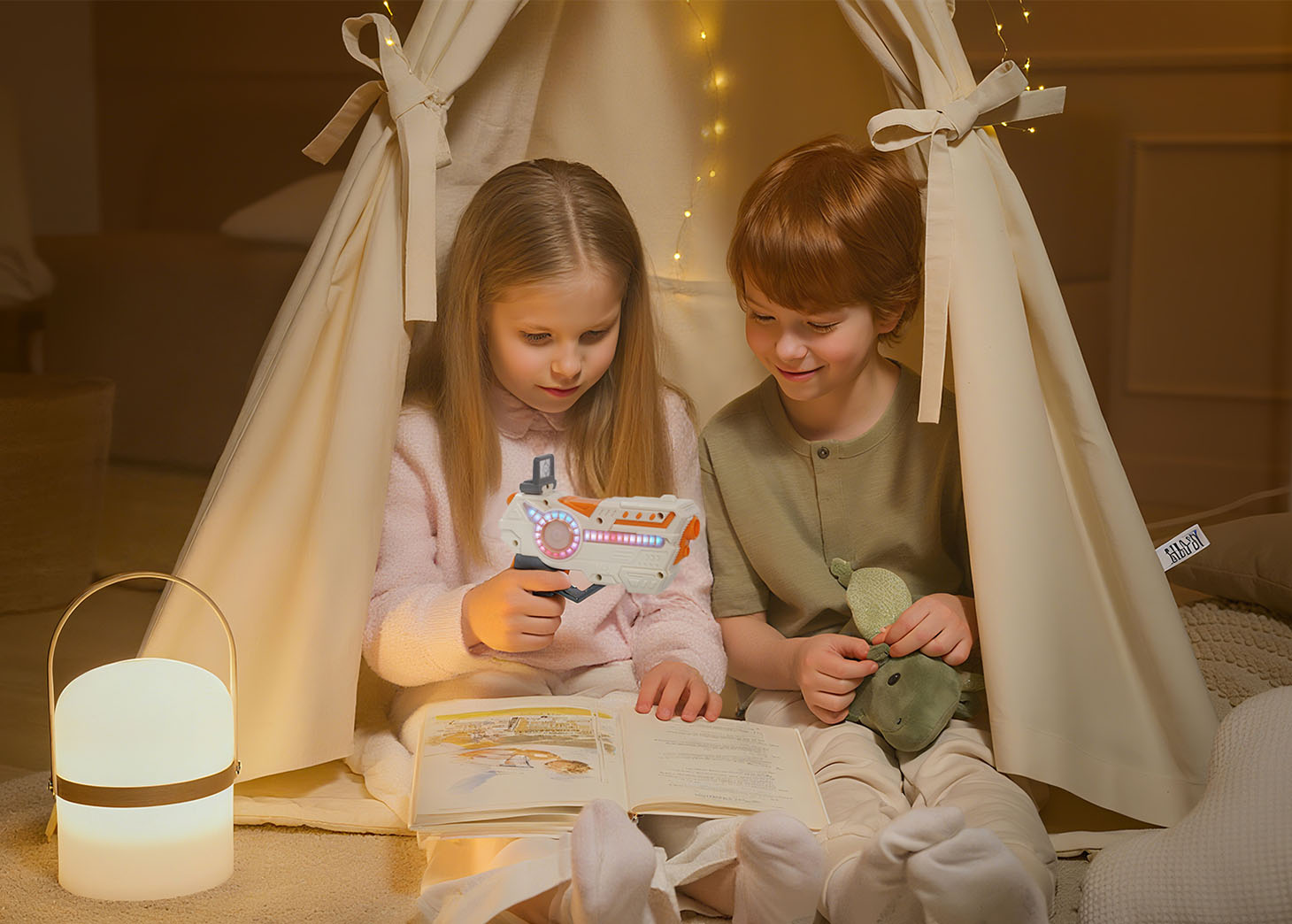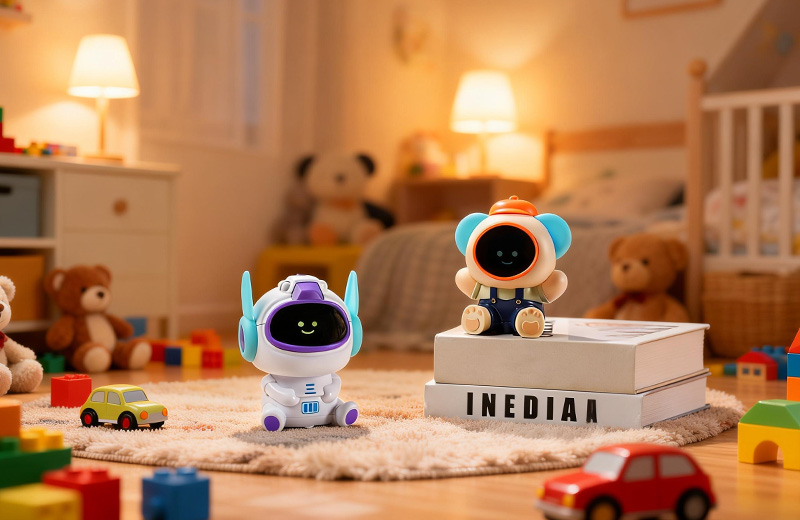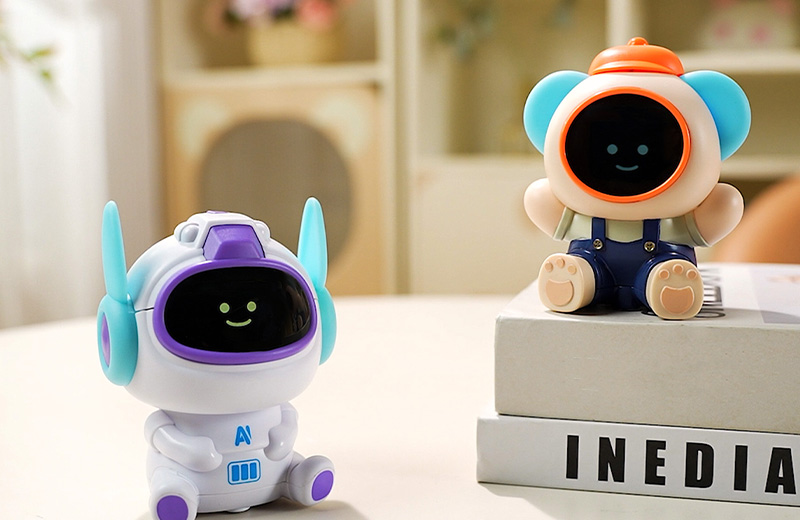



The secret is interaction. Traditional toys react only in simple ways, but AI toys respond to a child’s actions and words. For example, when a child scans a small dinosaur on their desk, the Pulse V-1 can tell an adventure story or even prompt the child to name the character and design the plot. Sarah, a mother of a five-year-old, shared that her daughter used to lose interest in toys within minutes. With an AI toy, she can play for half an hour, building her own little worlds and sending stuffed animals on “rescue missions.”
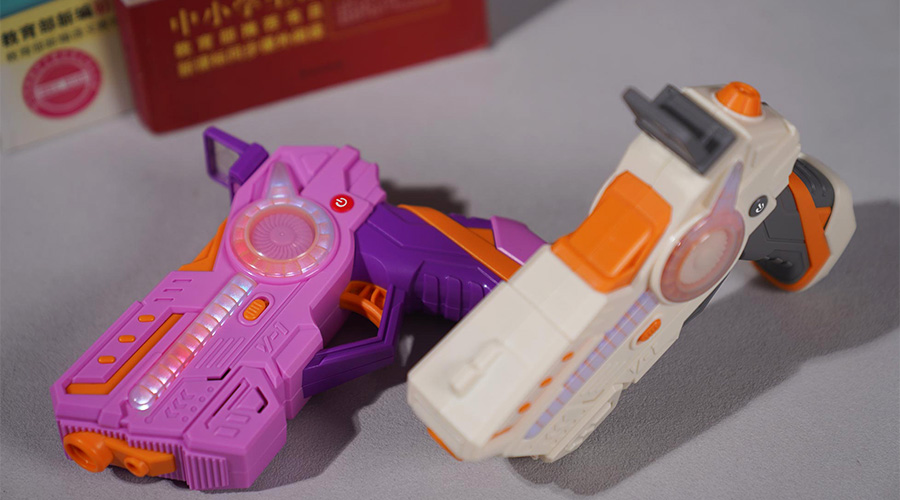
Language and knowledge development are part of the experience too. The Pulse V-1 can introduce new words, explain animals from other countries, or explore basic science concepts. One parent noted that her six-year-old son turned household blocks into a “space city,” assigning roles and missions to each block while picking up simple English instructions. This kind of play encourages logical thinking and creativity instead of passive screen time.
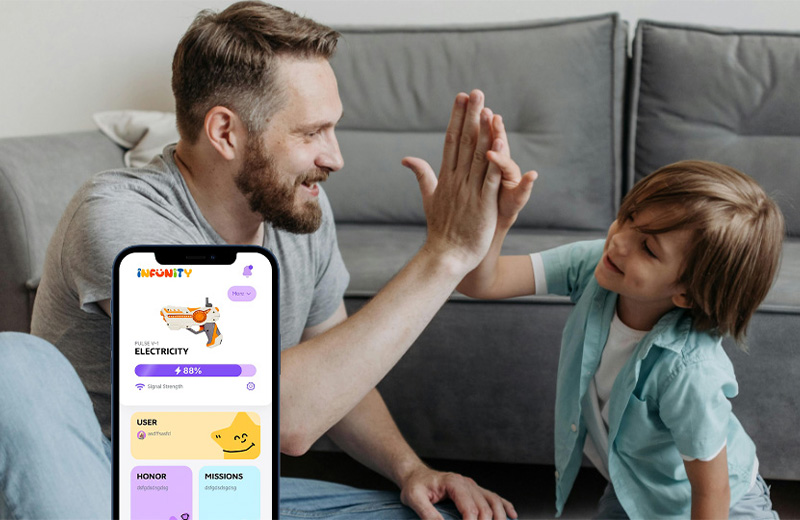
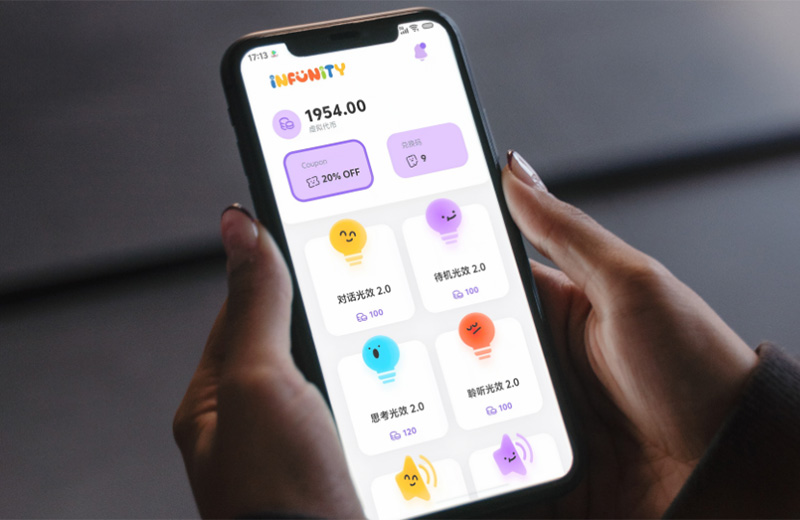
AI toys also open opportunities for parent-child interaction. With companion apps, kids can set their own challenges or tweak storylines, while parents can join in. Jason, a father, described how his son built an “alien city” at home and used the toy to run tasks and challenges, while he played the role of “alien scientist.” The engagement was richer than with any traditional toy.
INFUNITY’s philosophy is simple: play should be meaningful. AI toys are more than entertainment—they are partners, teachers, and catalysts for creativity. Through interaction, storytelling, challenges, and apps, they encourage children to experiment, innovate, and imagine.
For parents who want kids to have fun at home while building imagination and creativity, AI companions like the Pulse V-1 AI toys show that technology, when thoughtfully designed, can make every play session full of possibilities.
 Recommended for You