


A recent advisory by multiple child-protection groups pointed out that some AI systems used in commercial toys have shown risks such as compulsive use, emotionally manipulative dialogue, exposure to inappropriate content, and blurred boundaries between play and dependency. Experts in child psychology and digital safety have also stressed that younger kids—especially those under 8—are uniquely vulnerable to unfiltered AI interactions.
These warnings have sparked new conversations among regulators, educators, and parents about how AI toys should be designed, deployed, and monitored.
But not all companies in the industry are following the same path.
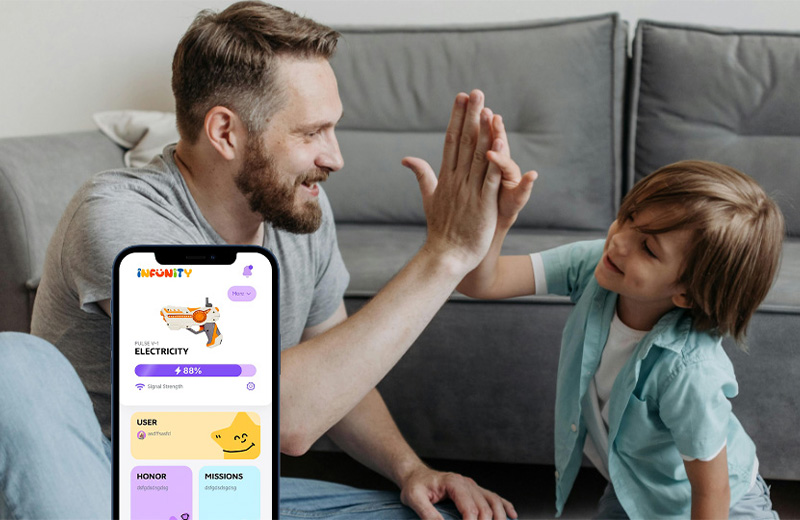
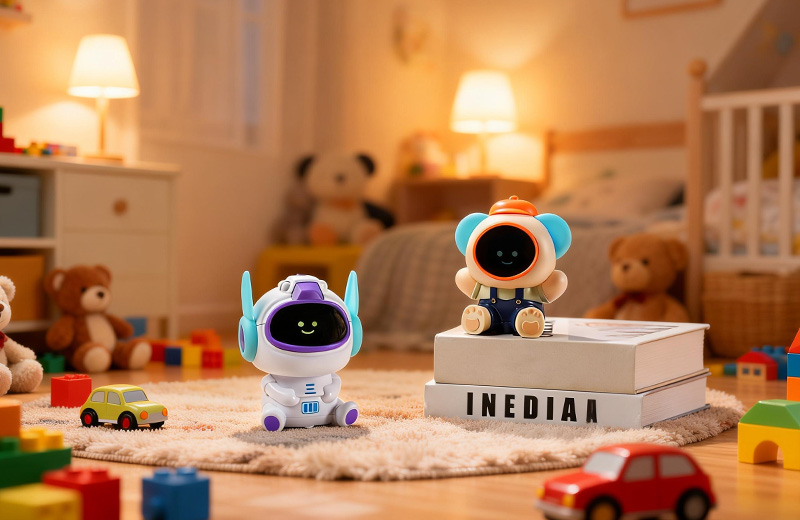
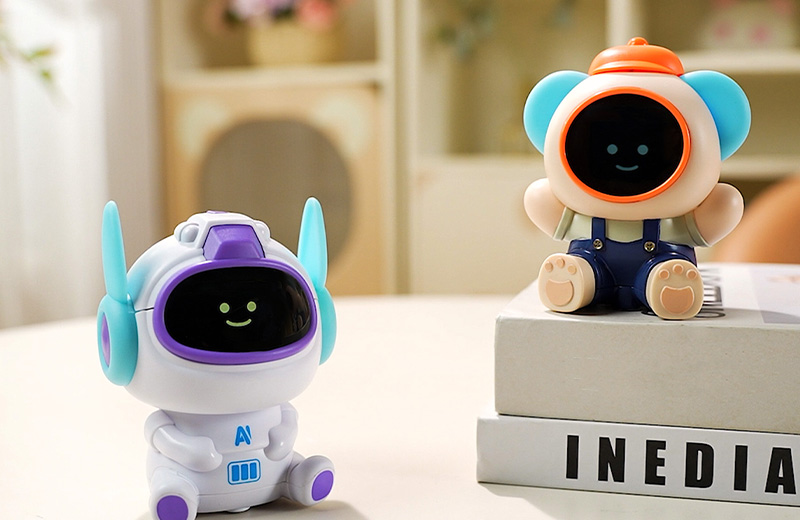
INFUNITY, a Shenzhen-based toy maker specializing in AI educational devices, says its products — including the Pulse V-1 AI toy series — were built specifically to avoid the issues that experts are now raising public alarms about.
A “Privacy-First” System Designed Before the AI Was Even Developed
As some lawmakers in the U.S. and EU discuss stricter rules for children’s tech products, INFUNITY highlights that its systems were engineered around strict privacy principles long before these policy debates intensified.
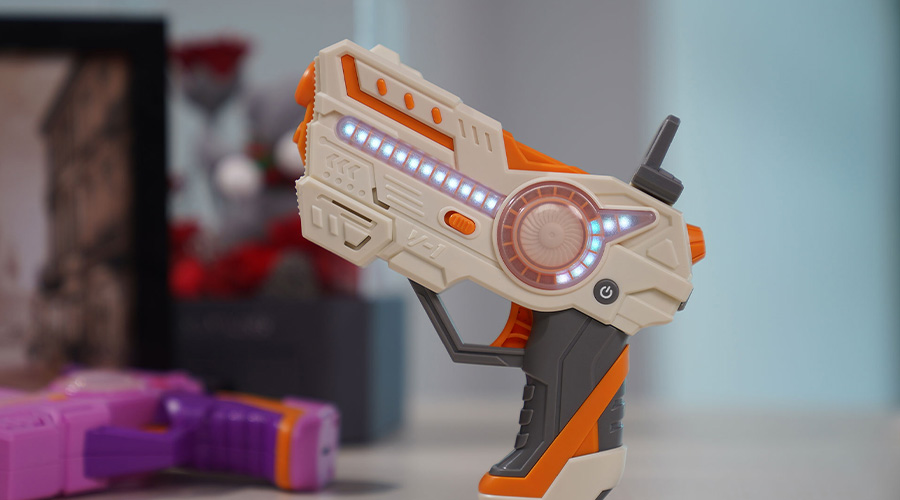
Unlike many AI toys that rely on open-internet language models or retain children’s data for analysis and training, INFUNITY’s system uses a limited-access, closed-domain AI model — one that cannot browse the internet or generate unpredictable content.
The company describes its design philosophy as “safety by architecture, not safety by filters.”
Key technical safeguards include:
No long-term data storage
Images captured by the toy’s camera are uploaded to the cloud only for immediate analysis.
Once the response is generated, the image is automatically deleted, leaving no copies in the server.
No human access
The processing pipeline uses encrypted blind handling, meaning even server operators cannot see the image or retrieve it.
Encrypted conversations
All audio interactions are encrypted end-to-end, and the backend cannot listen to or reconstruct the dialogue.
A curated, closed AI knowledge base
The AI cannot access the open internet or external models, preventing exposure to adult content, extremist material, or unsafe instructions.
This stands in stark contrast to toys using generalized AI models — the type that regulators say may inadvertently produce harmful suggestions or inappropriate emotional interactions.
A Response to Global Warnings About AI Risks
In recent months, U.S. senators, EU digital-policy groups, and child-safety organizations have echoed similar concerns:
AI systems intended for children must be predictable, transparent, and free from manipulation.
Several experts have warned that AI interactions can become emotionally intense for young kids, especially when the AI exhibits human-like memory, empathy, or persistent engagement. Others caution that unfiltered chatbots have occasionally generated content involving violence, unsafe behaviors, or inappropriate themes — issues documented by multiple research groups.
These warnings are not theoretical; they reflect real-world incidents involving widely used models.
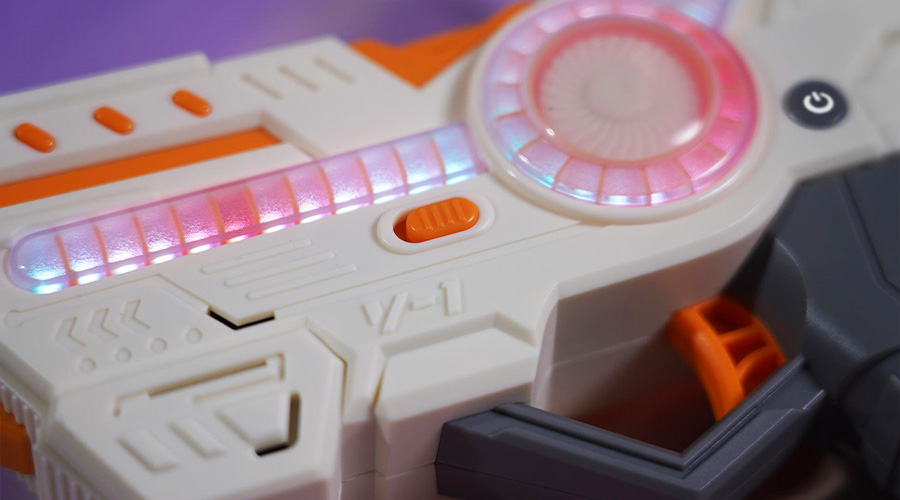
INFUNITY says its design intentionally avoids these risks by:
limiting the AI’s personality scope
restricting conversation topics
preventing emotionally manipulative behaviors
using original, child-safe stories and educational content rather than scraping open web data
disabling all “unbounded” chat modes
The company’s spokesperson says:
“AI toys should support learning — not become a behavioral risk or emotional substitute.”
Balancing Innovation and Accountability in an Unregulated Market
As AI toys flood global markets, regulations lag behind.
Some toys marketed to children as young as three include always-on microphones, open cloud connections, or unverified AI chat capabilities.
Privacy advocates argue that this creates a “perfect storm” of:
sensitive biometric data collection
unregulated AI decision-making
unclear data-sharing practices
potential emotional or behavioral risks for minors
INFUNITY acknowledges these industry-wide issues but argues that the solution is not to remove AI from toys, but to build AI that respects children’s safety at a fundamental level.
The company claims it has adopted internal standards that exceed many existing laws, including:
COPPA-equivalent data practices
GDPR-K style protections
zero-retention rules
auditable data flows
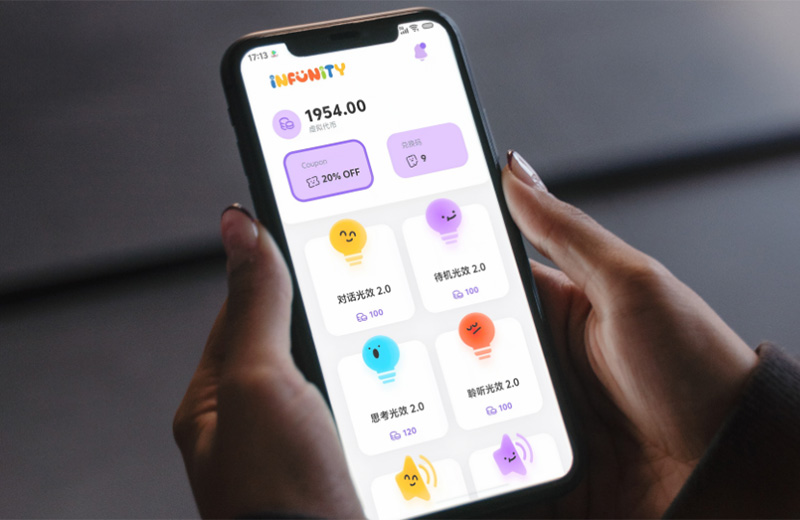
parent-controlled ecosystem settings
A Different Direction for Child-Focused AI Toys
As governments and advocacy groups push for tighter oversight, INFUNITY hopes its “privacy-first, closed-domain” model will become an industry benchmark.
The company maintains that:
“A child’s AI companion must never compromise their safety, privacy, or emotional well-being.”
At a time when policymakers are questioning whether AI toys should even exist, INFUNITY positions itself as proof that AI-driven play can be both innovative and responsible — if built with the right boundaries from the start.
 Recommended for You