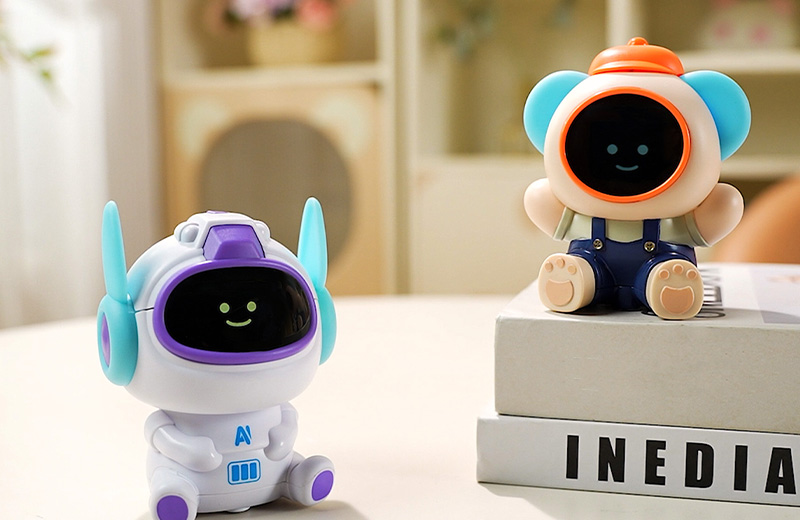



After a series of safety concerns were exposed, the entire category of AI-driven toys entered a moment of doubt.
Do families actually need AI toys?
Are they truly useful?
Or are they simply “talking devices” wrapped in the idea of intelligence?
These are questions the industry must confront honestly.
Redefining AI Toys from a Product Perspective
Our research among families in Europe and North America shows a sobering reality:
65% of parents believe current AI toys focus too heavily on stacking knowledge features, with little real benefit to children.
20% remain uncertain.
Only 15% feel these products are genuinely helpful.
At first glance, this appears to be a setback for AI-powered toys. But it also reveals a deeper truth:
AI itself is not the problem.
From a product standpoint, AI represents a long-term trend because it introduces decision logic into the structure of use. The challenge is not whether AI should exist in toys, but how it is integrated.
The Real Benchmark for AI-Powered Toys
The core question is this:
Can the AI system reduce friction, guide behavior, and adapt meaningfully over time?
This is difficult. Most AI toy companies are not willing to make that promise. A few, however, will succeed.
To understand why, we need to revisit the logic behind toys themselves.
Traditional toys are reactive. A child triggers an action, the toy responds, and then it stops. Novelty fades quickly.
AI-powered toys follow a different logic. Interaction becomes continuous. Conversations carry context. Responses change based on what was said before.
This is only possible because of a fundamental system sequence: input → interpretation → output.
Without this structure, AI becomes noise—an output machine rather than a companion.
A New Assumption: AI Toys as Partners
This is where Chuangqu Infinite enters the conversation.
As a new player in the AI toy space, the company proposes a different assumption:
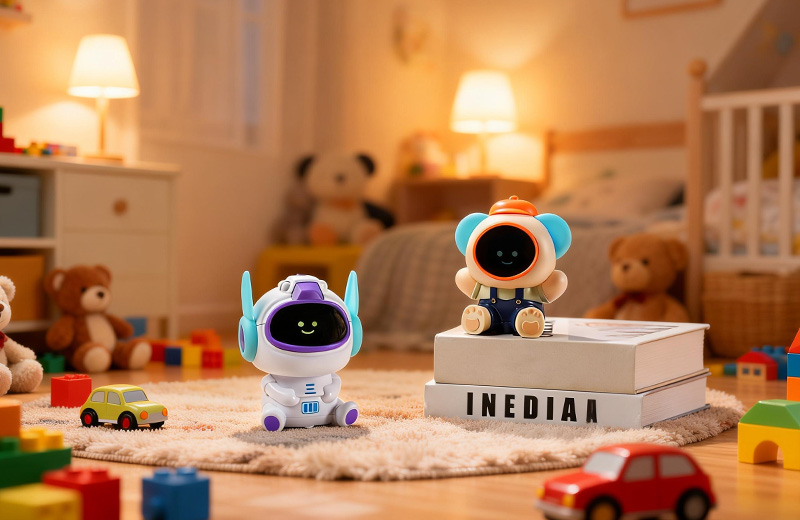
AI-powered toys should operate like companions, not feature-driven tools.
This assumption carries several implications:
The system does not fall silent
Responses are not repetitive
Interactions maintain continuity
The built-in intelligence does not wait passively for commands. If a child hasn’t spoken for a while, the system can gently initiate interaction, reducing awkward gaps and creating more natural engagement.
From our perspective, this reflects a form of responsibility—where the system carries the burden of coherence and continuity.
A Practical Example: Pulse V-1
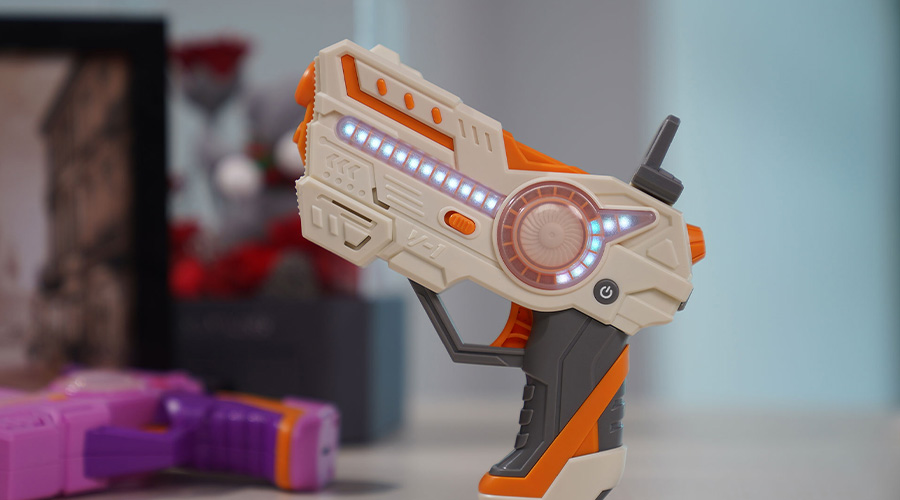
Take Pulse V-1 as an example.
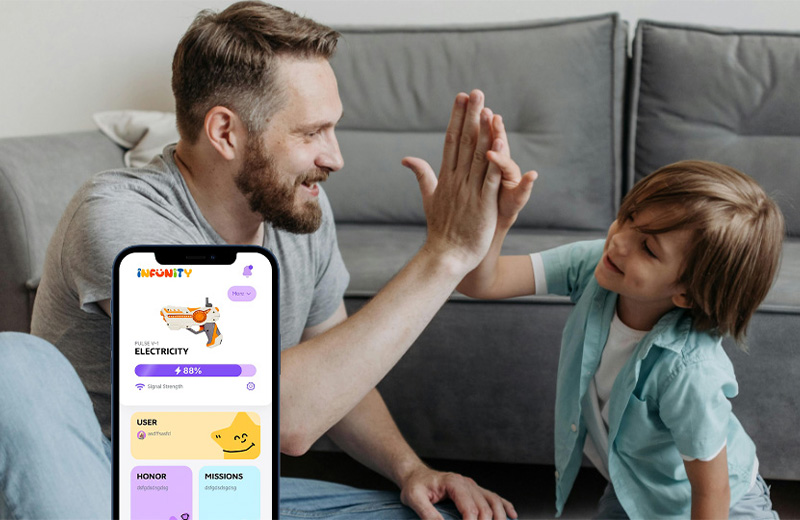
Rather than positioning it as a simple smart toy gun, it is designed as a dual-mode interactive device.
Action Mode focuses on tactile and sound feedback, designed purely for play
Smart Mode activates the AI system, enabling object recognition through a built-in camera, storytelling, language learning, and scientific explanations—all through dialogue
This clear separation helps children build an intuitive mental model:
Action Mode is for play.
Smart Mode is where learning happens.
Beyond a Single Product
From a business perspective, this is not an isolated product.
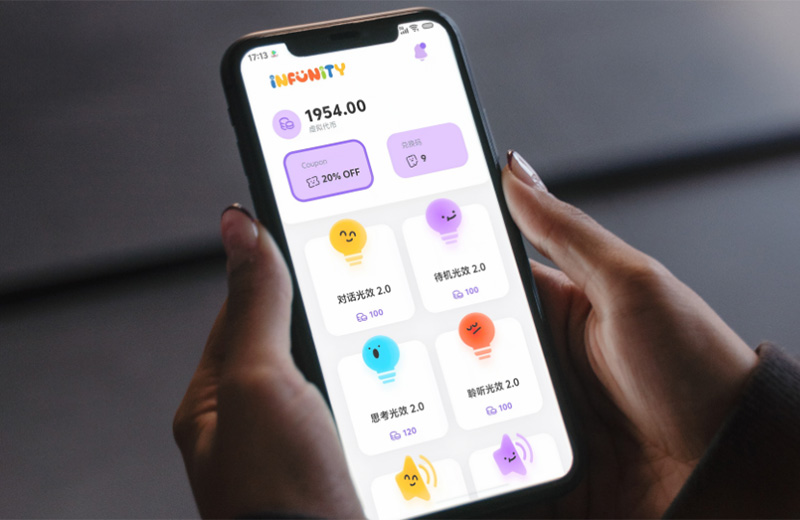
The ecosystem connects children, parents, and companion apps, creating value not only for consumers, but also for brands, licensors, and partners seeking scalable intelligent products.
From Concept to System
The journey from AI toy concept to real product logic is complex.
It requires a structured intelligent service system.
The true innovation lies in making interaction clearer, roles more defined, and experiences more coherent over time.
INFUNITY has taken a meaningful step in that direction.
 Recommended for You