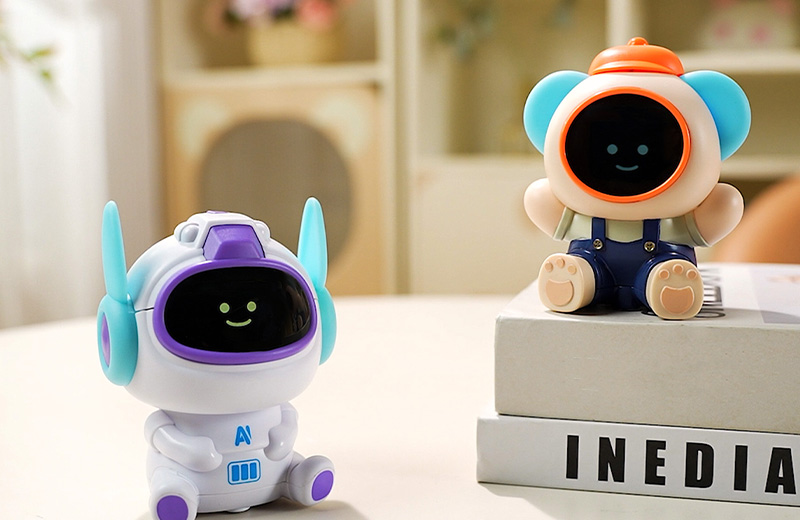



In 2026, they are being evaluated as systems—technical, psychological, and cultural systems that happen to live in a child’s hands.
Most people still talk about AI toy safety in old terms: materials, batteries, choke hazards. That conversation is already outdated.
The real question is not “Is the toy safe?”
It’s “What kind of intelligence are we placing into a child’s daily life—and who is accountable for its behavior?”
From Physical Safety to Behavioral Responsibility
For decades, toy safety meant compliance with physical standards: non-toxic plastics, rounded edges, drop tests. Necessary, but insufficient.
AI robot toys introduce something entirely new: behavior that evolves.
A robot that listens, responds, remembers, adapts—this is no longer a static object. And in 2026, regulators have finally begun to acknowledge that reality.
Across major markets, policy language is shifting from product safety to interaction safety.
What most people overlook is this:
The risk is no longer what the toy is made of, but what the toy can influence.
The 2026 Policy Shift Most Brands Didn’t See Coming
You won’t find one single law titled “AI Toy Act 2026.”
Instead, the change arrived quietly, through alignment.
In the EU, AI classification frameworks now explicitly treat AI systems interacting with minors as high-responsibility use cases. This doesn’t ban AI toys—but it raises the bar dramatically for transparency, predictability, and parental oversight.
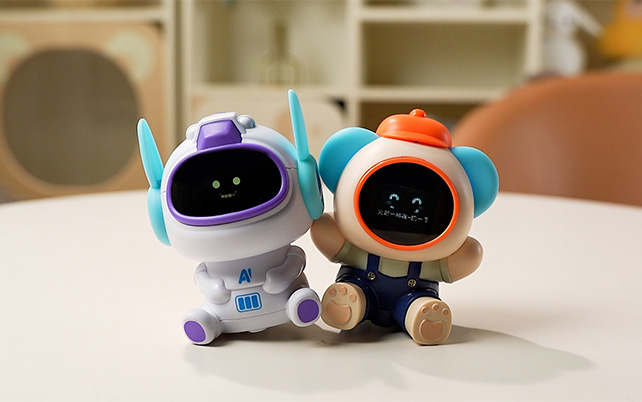
In the U.S., child data protection rules have expanded beyond data collection to include data-driven behavior shaping. It’s no longer enough to say “we don’t store personal data.” Regulators are asking how AI responses may influence emotional dependence, authority perception, or repetitive engagement loops.
In the UK and parts of Asia, toy safety guidance now references “adaptive digital behavior”—a subtle but powerful phrase. It signals that learning systems must remain bounded, not open-ended.
We’re entering a new phase where design intent matters as much as design execution.
Why “Smarter” Is No Longer the Goal
Here’s the uncomfortable truth:
Smarter AI is not always safer AI—especially for children.
The industry spent years racing toward realism: more natural voices, longer conversations, deeper memory. In 2026, that arms race is slowing.
Why? Because regulators—and parents—are asking harder questions.
Should a toy initiate conversations autonomously?
Should it remember emotional states?
Should it simulate companionship, or support imagination without replacing it?
The future of AI robot toys isn’t about maximum intelligence.
It’s about controlled intelligence.
Boundaries are becoming a feature, not a limitation.
Safety as a System, Not a Checklist
What’s emerging in 2026 is a new safety philosophy—one that treats AI toys as ecosystems.
A safe AI robot toy now requires:
Behavioral guardrails
Clear limits on topics, tone, and emotional framing.
Explainable interaction logic
Parents don’t need source code—but they need to understand why the toy behaves the way it does.
Age-aligned intelligence layers
Not one AI for all users, but graduated interaction depth.
Human-in-the-loop design
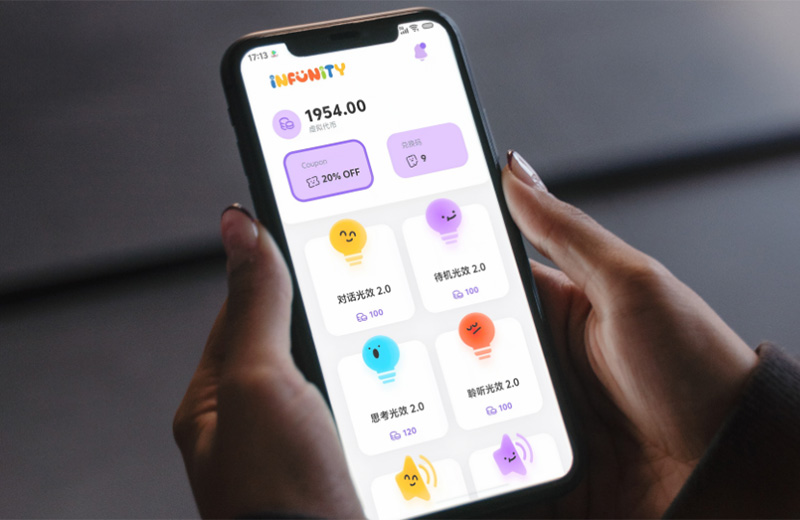
Apps, reports, or dashboards that reconnect parents to the experience.
This is where many old-school toy companies struggle. They know manufacturing. They know compliance. But AI safety is no longer a factory problem—it’s a product philosophy problem.
Why Old Toy Thinking Is Failing
The old model assumed toys were disposable, replaceable, emotionally neutral.
AI robot toys break that assumption.
Children form narratives around them. Attach meaning to them. Assign roles.
And in 2026, policy is catching up to psychology.
The brands that will win are not the ones shouting “AI-powered!” the loudest—but the ones who can clearly articulate what their AI will never do.
That’s the new trust signal.
Looking Ahead: The Quiet Redefinition of “Safe Play”
We’re not heading toward a world where AI robot toys disappear. Quite the opposite.
But we are moving toward a future where safety is invisible, intentional, and deeply designed.
The shift is clear:
AI toy safety is no longer a regulatory afterthought—it’s the foundation of brand credibility.
And the companies that understand this in 2026 won’t just comply with policy.
They’ll shape the next generation of play itself.Because the future of play isn’t just interactive.
 Recommended for You