

It’s no longer just about color, size, or price.
Now there are bigger questions behind every choice.
Is this too much technology?
Will my child rely on it too much?
Is something simple actually better?
Plush toys feel familiar. Most parents grew up with them. They’re quiet, soft, and easy to understand. There’s comfort in knowing exactly what a toy does—and what it doesn’t do.
AI robots, on the other hand, raise more questions.
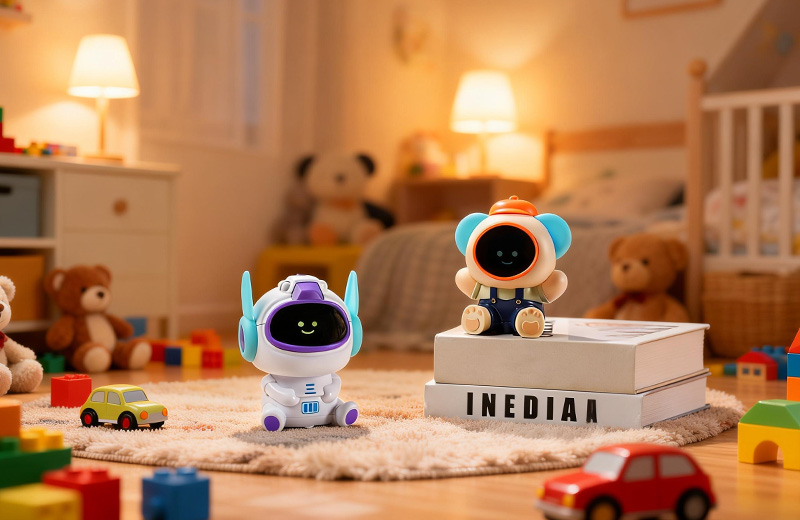
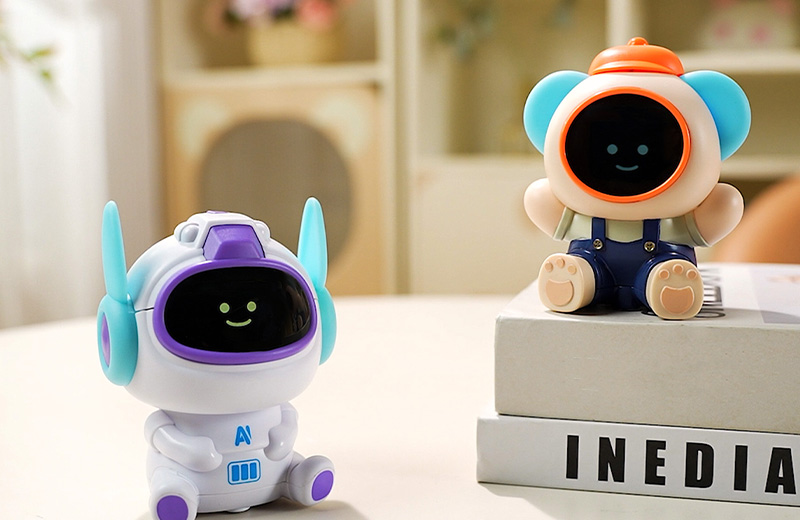
They talk.
They respond.
They sometimes feel surprisingly “aware.”
For some parents, that’s exciting. For others, it’s unsettling.
A common concern is balance. Parents don’t want toys to replace human interaction. They don’t want screens to take over playtime. And they certainly don’t want technology to rush childhood.
These concerns are valid.
But many parents also notice something else when their children interact with AI toys.
They talk more.
They ask more questions.
They stay engaged longer.
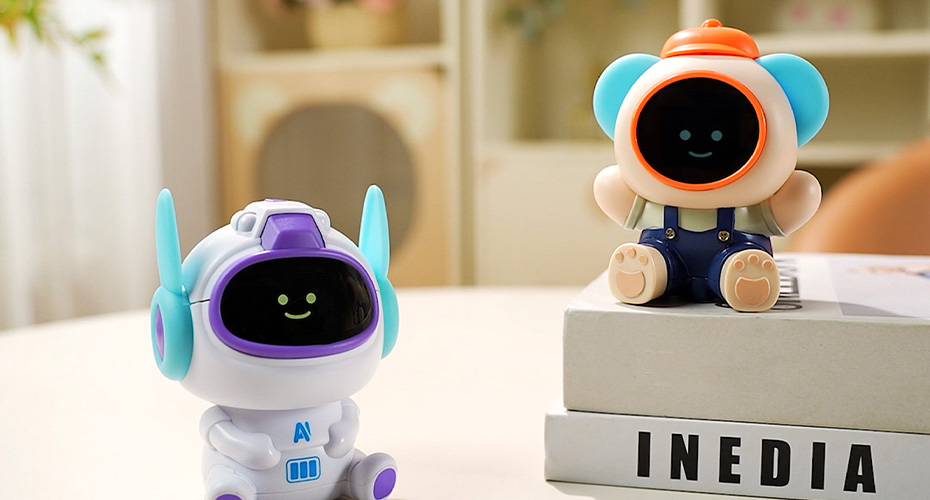
Instead of passive entertainment, kids often treat AI toys like conversation partners. They explain their ideas, repeat words, and feel encouraged when the toy responds. For children who are shy or hesitant to speak up, this kind of interaction can actually build confidence.
That doesn’t mean AI toys are always the right choice.
Plush toys still play an important role, especially when children need comfort, calm, or emotional grounding. A soft toy at bedtime can be more valuable than any interactive feature.
From a parent’s perspective, the real question isn’t AI robots or plush toys.
It’s when and why each one is used.
Many parents find that the healthiest approach isn’t choosing one over the other, but letting toys serve different purposes at different moments.
A plush toy for reassurance.
An AI robot for curiosity and engagement.
When toys are designed with intention—and used with boundaries—they don’t compete with parenting. They support it.
In the end, parents aren’t looking for the smartest toy.They’re looking for toys that fit their child’s emotional and developmental needs, without taking away what matters most: connection, imagination, and trust.
 Recommended for You