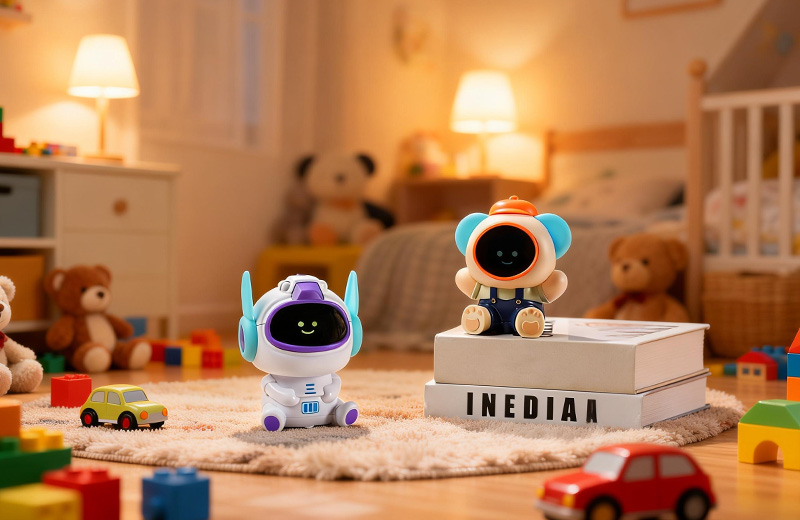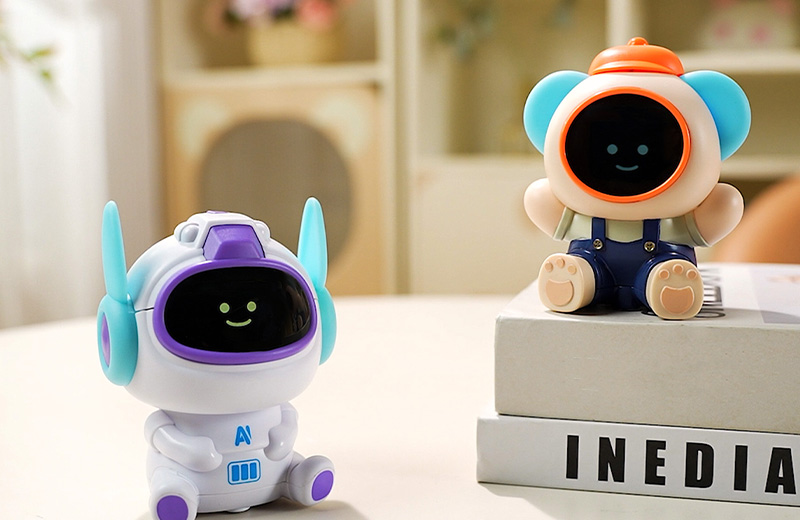



For years, baby sensory toys followed a simple formula: bright colors, soft textures, gentle sounds. These toys were designed to stimulate a baby’s senses and support early development — and for a long time, that was enough.
But today, both babies and parents are living in a very different world. Technology is everywhere, attention spans are shorter, and expectations for learning through play are higher than ever. As a result, the baby sensory toy market is evolving, and AI technology is becoming a natural part of that evolution.
This shift isn’t about making toys more complicated. It’s about making them more responsive, more adaptive, and more aligned with real-life parenting needs.
1. Understanding Modern Sensory Needs in Babies
Every baby experiences the world differently. Some are highly sensitive to sound, while others crave visual movement or tactile exploration. Sensory development is not linear, and it changes rapidly during the first few years of life.
Traditional baby sensory toys usually offer fixed stimulation:
The same sound every time
The same light pattern
The same movement
While this works at first, many parents notice that babies quickly lose interest or become overstimulated. A toy that once calmed a baby may later feel boring — or even irritating.
This is why modern parents are searching for baby sensory toys that adapt, rather than repeat.
2. How AI Upgrades Baby Sensory Toys
AI doesn’t replace classic sensory elements like touch, sound, and sight. Instead, it helps sensory toys respond intelligently to how a baby interacts with them.
With AI-powered baby sensory toys, interaction becomes more dynamic:
Sounds can vary instead of looping endlessly
Responses feel more natural and less mechanical
Play patterns can slow down or become more active depending on engagement
This adaptive behavior supports healthier sensory development. Babies stay curious longer, and parents worry less about overstimulation.
More importantly, AI allows toys to evolve alongside a child — turning a short-term sensory toy into a longer-term interactive companion.
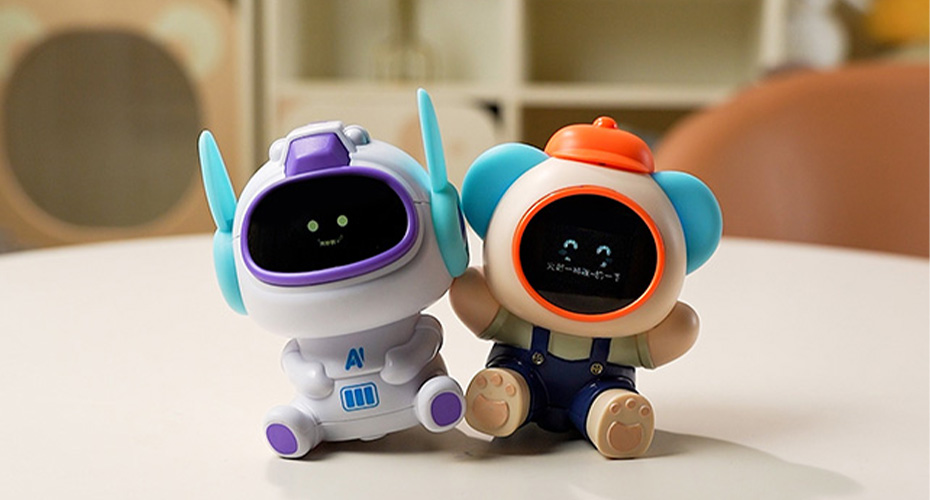
3. Real-Life Scenarios: Where AI Sensory Toys Make a Difference
The value of AI in baby sensory toys becomes clear in everyday situations.
During quiet time at home
Instead of loud, repetitive sounds, an AI-enhanced sensory toy can offer calmer audio, softer lighting, or gentle voice interaction when a baby needs comfort.
Independent play moments
Parents often want toys that keep babies engaged safely without constant supervision. AI-powered interactive toys can maintain interest by changing responses naturally, without needing screens.
As babies grow into toddlers
What begins as sensory exploration gradually turns into recognition, early language exposure, and emotional response. AI helps bridge that transition without parents needing to constantly replace toys.
These small improvements add up to a much better play experience — for both babies and caregivers.
4. The Future of Baby Sensory Toys: Smarter, Not Louder
The future of baby sensory toys isn’t about flashy features or more stimulation. It’s about gentle intelligence.
We’re moving toward a new generation of AI sensory toys that:
Adjust to a baby’s behavior naturally
Support sensory development without overwhelming it
Feel warm, friendly, and intuitive — not robotic
In the coming years, parents won’t choose toys because they are “AI-powered.” They’ll choose them because they are calmer, smarter, and better for long-term development.
The best baby sensory toys of the future won’t feel like technology at all.They’ll simply feel like toys that understand babies better.
 Recommended for You