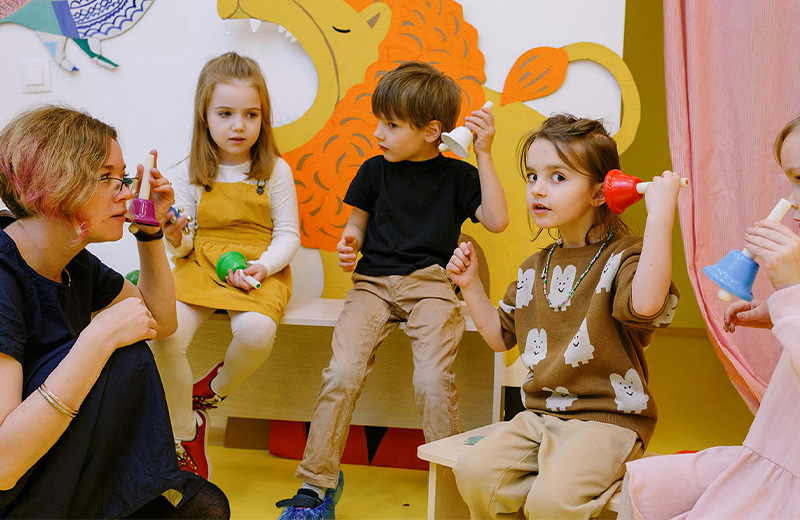



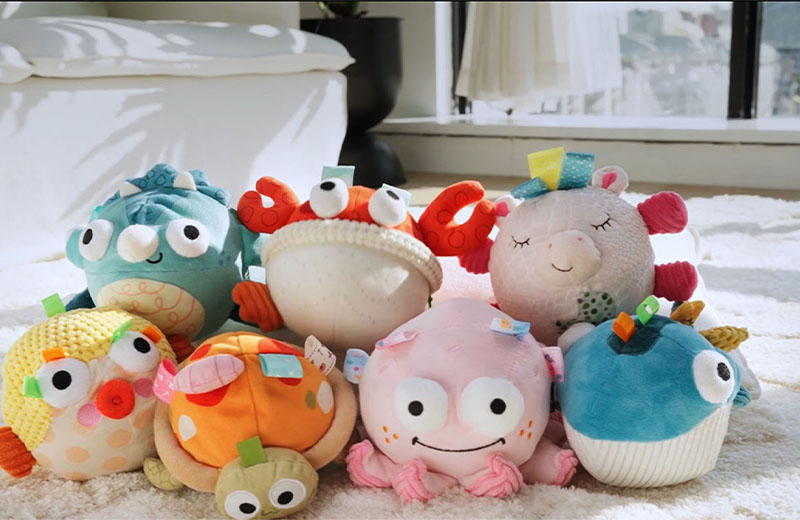
After understanding the characteristics of children's games, let's take a look at how to choose the right toys for children? Symbolic/pretend games help children exercise their imaginative toy characters, such as dolls, animals, and action figures; Toy objects such as food, cooking or feeding tools, cars, airplanes, and buildings play pretend games. Helps children imitate, describe, and cope with realistic situations while promoting language development, self-regulation, symbolic thinking, and socio-emotional development.
Exercise fine movements to improve language and brain development such as building blocks, shapes, puzzles, trains, etc.
Exercise artistic abilities Improve creativity and fine motor skills such as clay, coloring books, crayons, markers, stickers, building blocks, magnetic sheets, and more.
Develop language/conceptual skills such as toy letters and picture books, and older children can play card games, board games, etc.
Work out gross sports/body such as large toy cars, tricycles, push-pull toys, ride-on toys, balls, etc.
According to the recommendations of the American Academy of Pediatrics [1], although high-quality toys can help parents participate in children's games and promote children's development-enriching language, acting, problem-solving, reciprocity, cooperation and creativity, in fact, many toys Advertisements are not based on scientific evidence. Therefore, when choosing toys, parents can pay attention to the following points:
Part.1 Choosing a good toy does not have to be expensive or exquisite. The key is that parents can interact with their children through toys, such as describing the game process in rich language, or participating in children's pretend games.
Part.2 It is not recommended to contribute to gender stereotypes through toys. All children have the opportunity to explore different play styles and have a variety of options. For example, both boys and girls can play with Cheche, Lego, and Barbie dolls.
Part.3 If it is an electronic game product, it is recommended to limit the use time: avoid children under the age of 2; Total screen time (including TV and computer) for children 2 years of age and older does not exceed 1 hour per day; For children over the age of 2, if they need to use electronic devices, it is recommended to choose an interactive and educational application, and ensure that parents are involved; Children under 5 years of age need to play developmentally appropriate video games in the presence of a caregiver.
Part. 4 Some suggestions: Please do not provide infants with small toys that are easy to stuff into their mouths and will fall off parts, such as magnetic beads; Do not buy toys with loose ropes, threads, ribbons, etc. that are easy to eat, such as balloons; Do not buy toys with sharp edges that are easy to scratch; Don't buy toys that are loud or harsh;
Buy toys that are non-toxic and have safety certificates; Purchase through a formal platform, pay attention to 3C certification;
Safely store toys in places that are difficult for infants to touch, and should be monitored when using;
If you buy a toy with a button battery, be extra careful to make sure that the child can't reach it and put it in his mouth.
Finally, children's toys not only let children have fun, but also create opportunities for parent-child interaction and help children learn and grow in games.
 Recommended for You