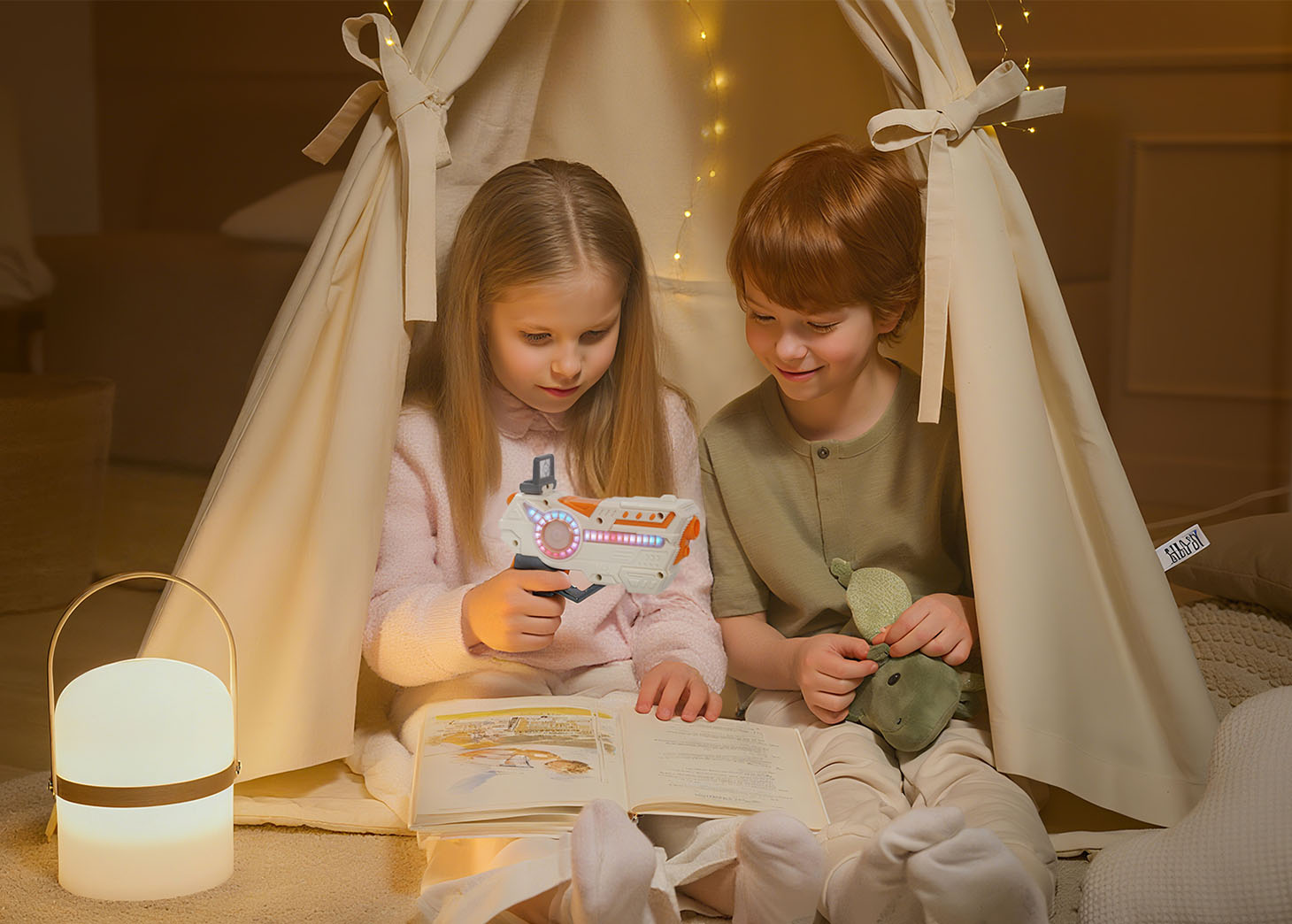


At their core, baby sensory toys are designed to stimulate a child’s senses—touch, sight, hearing, and movement—during the most critical stage of early brain development. What makes this category interesting, however, is not just the products themselves, but how differently they are understood depending on who you are in the value chain.
If you look closely, the same toy can mean four completely different things to a child, a parent, a manufacturer, and a wholesale buyer.
1. From the Child’s Perspective: It’s Not a Toy, It’s a Way to Understand the World
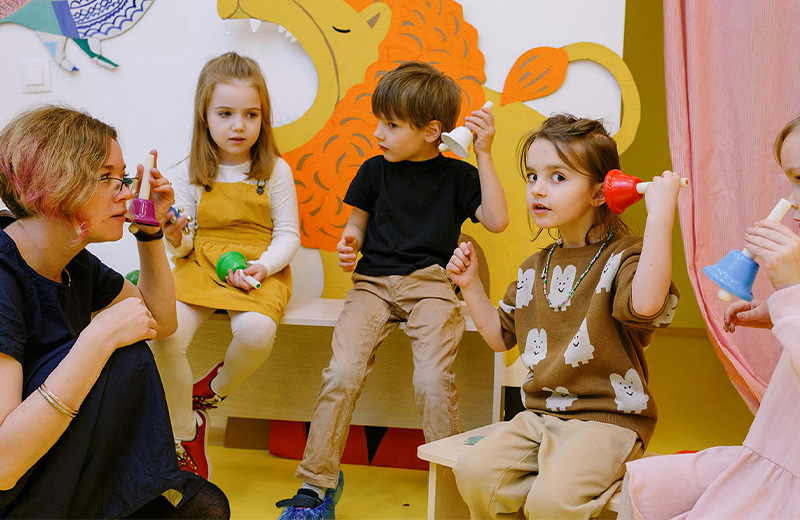
For babies and toddlers, especially between 0 and 3 years old, play is not just entertainment. It is how they learn to interpret everything around them.
When a baby squeezes a soft toy, shakes something that makes noise, or stares at high-contrast patterns, what’s actually happening is the formation of neural connections. These small, repetitive interactions help the brain link cause and effect, recognize textures, and gradually build coordination.
That’s why the most effective sensory toys are often surprisingly simple. They don’t overwhelm the child with too many functions, but instead offer clear, repeatable feedback. A rattle that responds with sound, a textured surface that feels different with each touch, or a toy that encourages grasping can do more for development than something overly complicated.
From this perspective, a good sensory toy is not about features. It’s about how naturally it fits into a child’s learning process.
2. From the Parent’s Perspective: It’s About Safety and Real Development Value
Parents, on the other hand, are not buying toys just for fun. What they are really looking for is a sense of control and reassurance—something that tells them their child is developing in the right way.
Safety is always the first filter. Materials need to be non-toxic, structures need to be secure, and size matters more than most people think because of choking risks. In recent years, safety concerns around certain types of sensory products have made parents even more cautious, so trust plays a big role in purchasing decisions.
But beyond safety, parents are becoming more selective about value. They are asking questions like:
Does this toy actually help with focus or emotional stability?
Will it support early language development?
Can it keep my child engaged longer than a few days?
This is where traditional sensory toys sometimes fall short. While they are effective in early stimulation, many of them lack long-term engagement.
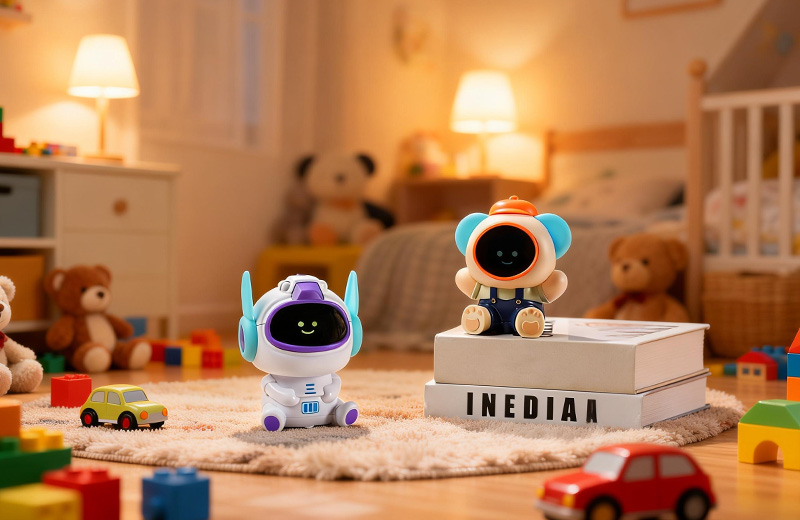
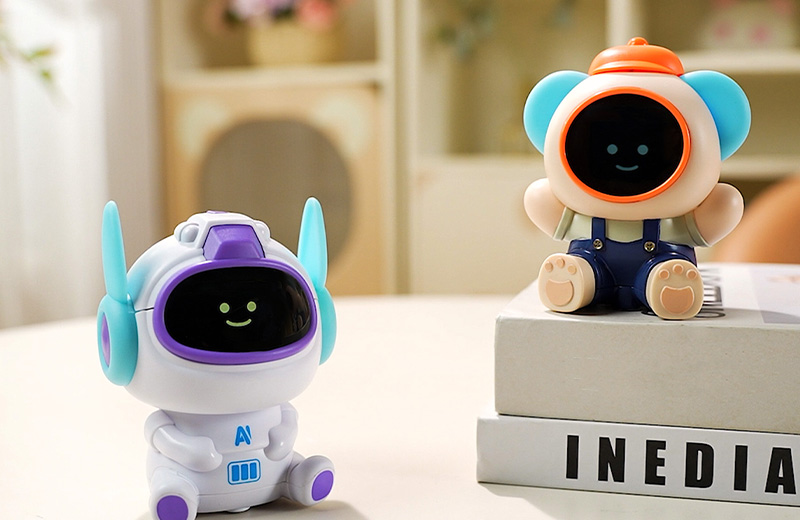
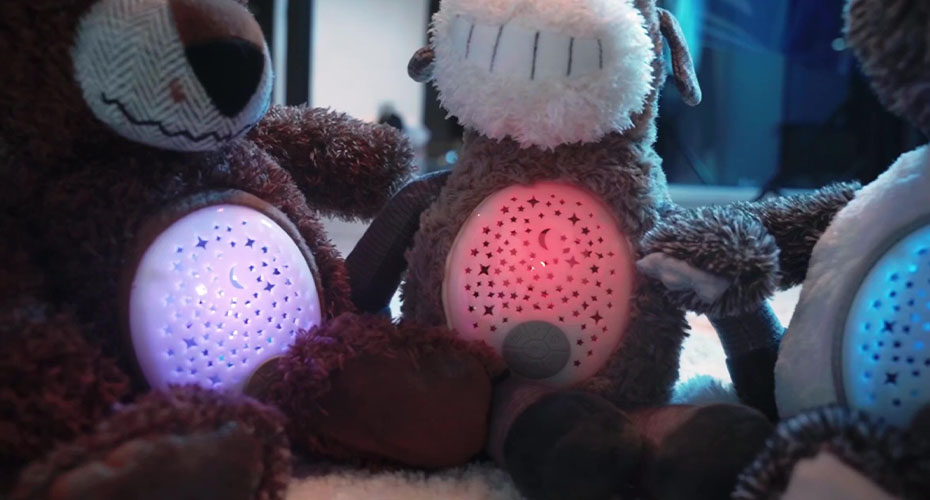
That gap is exactly why a new category is starting to emerge—products that combine sensory interaction with adaptive or responsive features. Instead of just reacting physically, these toys can respond, interact, and even “communicate,” which makes them far more appealing to modern parents who want both entertainment and developmental value.
3. From the Manufacturer’s Perspective: The Real Competition Is Not the Toy, but the System Behind It
From the outside, sensory toys may look like a low-barrier category. Basic items such as silicone teethers or fabric books are relatively easy to produce, which is why the market is flooded with similar products.
However, the real competition today is no longer about who can manufacture a toy at a lower cost. It’s about who can build a more complete product system.
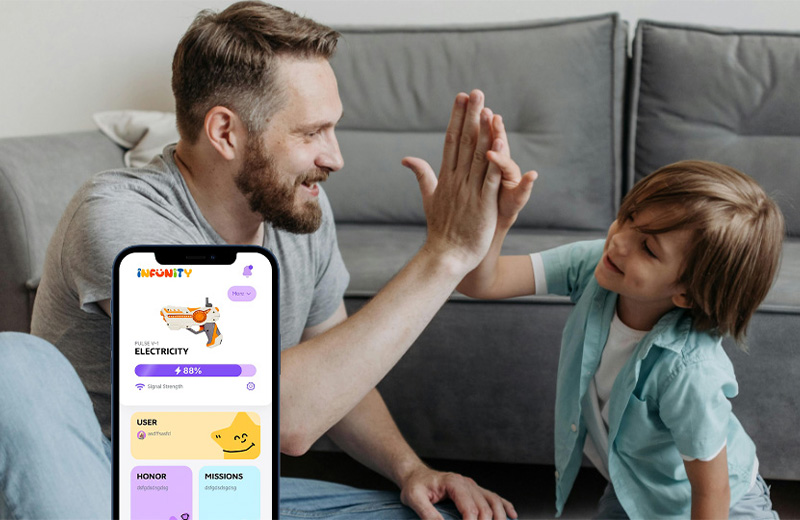
A good example of this shift can be seen in companies like INFUNITY. Instead of focusing only on physical design, they integrate multiple layers into their products:
AI-driven interaction
Voice communication systems
Object recognition features
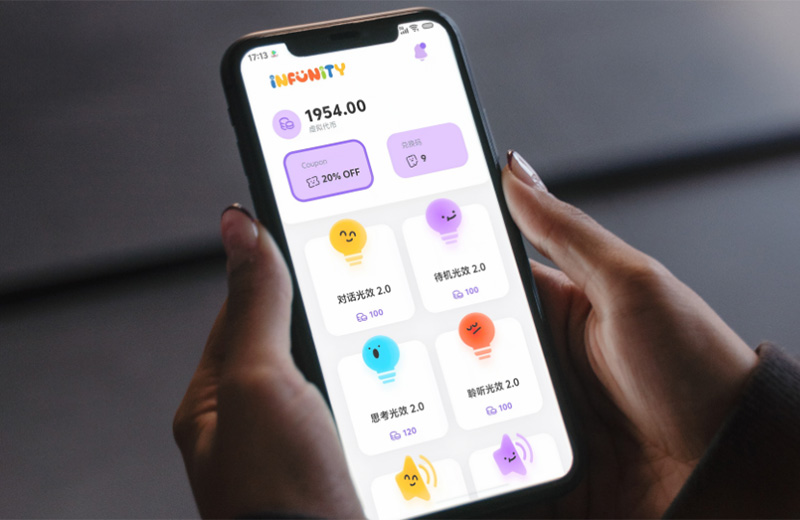
App connectivity and user data feedback
This approach changes the role of the toy entirely. It becomes less of a standalone object and more of an interactive platform that evolves with the user.
From a production standpoint, this also requires stronger capabilities. INFUNITY, for instance, operates with an integrated model that includes in-house R&D, manufacturing, and post-sale support. This kind of full-chain control allows for faster iteration, better quality consistency, and more room for product differentiation.
In other words, the barrier is no longer the toy itself, but the ability to combine hardware, software, and content into one cohesive experience.
4. From the Wholesale Perspective: What Actually Sells Is Not Always What Looks Good
If you are in wholesale or distribution, your focus is much more straightforward: which products move fast, and which ones don’t.
In this category, sensory toys can generally be divided into three tiers.
The first tier is basic products. These are the classic items—rattles, sensory balls, teething toys. They are easy to sell because customers already understand them, but they are also highly competitive, with very limited margins.
The second tier includes functional upgrades. These toys add elements like sound, light, or simple interactivity. They tend to have better pricing power and are easier to differentiate, making them more attractive for mid-level markets.
The third tier, which is growing rapidly, is AI-enhanced sensory toys. This is where things start to shift.
Products developed by companies like INFUNITY are a good example of this direction. By combining sensory engagement with features like voice interaction, object scanning, and app-based ecosystems, they offer something that feels new to both parents and children.
From a wholesale perspective, this matters for three reasons:
Higher perceived value allows for better margins
Differentiation reduces direct price competition
Added services (apps, updates, content) create long-term user engagement
If you are sourcing from manufacturers, the key is no longer just price negotiation. It’s about identifying suppliers who can provide unique product logic, not just generic designs.
The best-selling products in the near future are likely to be those that sit at the intersection of sensory development and intelligent interaction.
Baby sensory toys may seem like a simple category, but they are quietly evolving. What started as basic tools for touch and sound stimulation is gradually becoming something much more complex.
We are now seeing a transition from passive play to interactive experience, and eventually toward AI-powered companionship.
For children, these toys help make sense of the world.
For parents, they offer reassurance and developmental support.
For manufacturers, they represent a shift toward integrated product systems.
And for wholesalers, they open up new opportunities for differentiation and growth.
In that sense, baby sensory toys are no longer just products. They are becoming the starting point of a much larger ecosystem in early childhood development.
 Recommended for You