


For modern parents, the mental growth of their babies is of vital importance. Toys are no longer just something to keep babies occupied for a few minutes. They are gradually becoming part of a broader early development thinking system - a system that emphasizes brain stimulation, emotional comfort, sensory exploration, and safe learning through play.
This shift has created huge opportunities for brands, wholesalers and infant product developers.
Why is the 0-6 month stage so important?
From a developmental perspective, the neonatal stage is surprisingly active.
Babies may not be able to crawl or talk yet, but their brains are forming neural connections at an astonishing rate. During this period, they start to learn in the following ways:
Contrast and visual tracking
Sound recognition
Texture exploration
Grasping reflex
Causal relationship response
Establishing parent-child bond through playing together
This is why sensory toys designed for this age group are not just about looking cute.
They should help the baby practice the necessary early skills in a gentle and natural way.
Simple products, such as crinkly books, black-and-white visual cards, soft rattles, textured stuffed toys and hanging stroller toys, are particularly effective because they align with the natural learning methods of infants at this stage.
The current development trends in the baby products industry
The infant toy industry has undergone significant changes in the past few years.
Today's parents rely more on research. Before purchasing even a small plush rattle, they usually check the following:
Is it Montessori-friendly?
Does it help with vision development?
Is the material BPA-free?
Can it support tummy time?
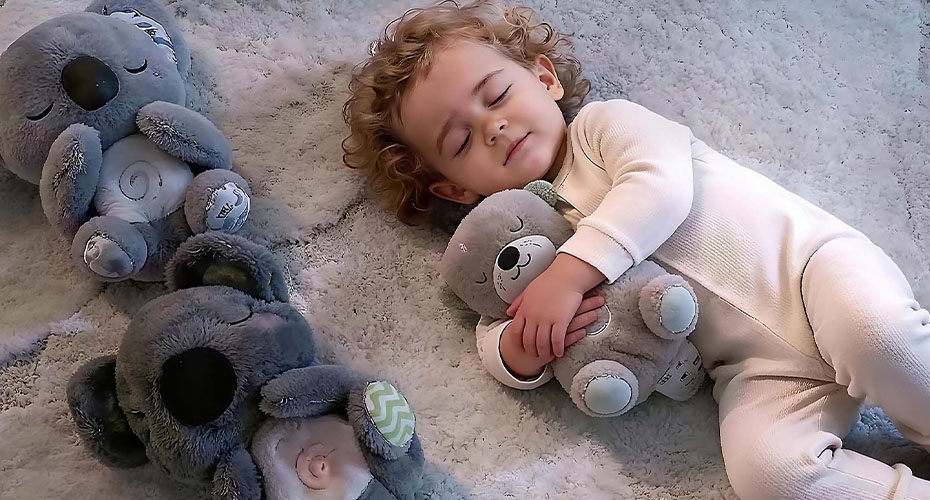
Can it help the baby fall asleep or self-soothe?
This means that the market is shifting from a "toy first" mindset to a "development first" one.
The brand now needs to communicate its development achievements rather than sell a cute item.
Support sensory exploration
Encourage fine motor skills
Enhance visual focus
Promote emotional security
Foster parent-child interaction
This is precisely where companies with strong R&D and manufacturing experience stand out.
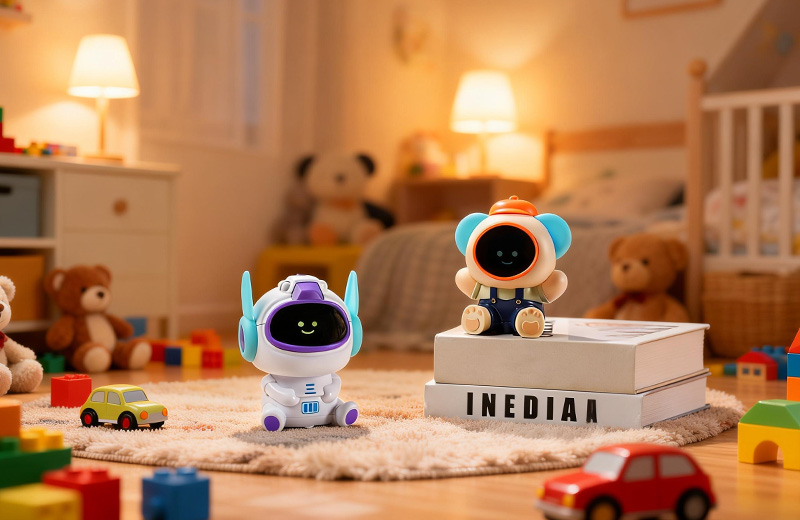
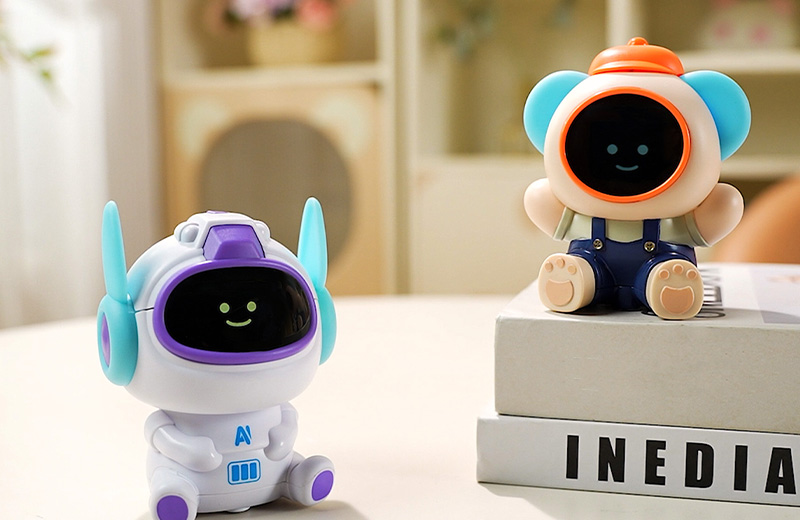
For instance, INFUNITY's long-term background in toy manufacturing and its full-chain product development capabilities lay a solid foundation for creating safer, smarter, and more meaningful sensory products for infants. This is especially true as the market begins to anticipate toys that combine comfort, education, and the potential for future AI interaction.
What sensory toys do parents really want?
From a truly parenting perspective, the demands are very practical.
Parents of infants aged 0 to 6 months often feel exhausted, busy and somewhat anxious. They hope that the products they use feel trustworthy.
So the best sensory toys for babies usually also meet these emotional needs:
Safety first.
Soft edges, non-toxic fabrics, non-detachable small parts, and washable materials - these are no longer "optional". They are the basics.
2) Multi-sensory but not overly stimulating
Newborns don't need flashlights or noisy music.
Gentle vibrations, soft texture changes, mirror reflections and subtle crease sounds have better effects.
3) Support different daily scenarios
Parents like toys that can be used in multiple situations.
Crib mobile
Tummy time
Stroller walks
Car seat soothing
Bedtime calming
Parent-child interaction time
The more naturally a toy integrates into daily life, the more likely it is to be recommended for repeated purchase.
The next move of the market
An interesting trend is that sensory toys for babies are beginning to integrate with interactive emotional technology.
Not overly complicated methods, but rather more gentle and companion-like experiences.
For instance, future plush sensory toys might incorporate:
Heartbeat simulation
Gentle voice, comforting
Adaptive lullaby sounds
Father's voice recording module
Milestone interactive tracking
Artificial intelligence-based sleep or response patterns
This evolution is highly compatible with companies like INFUNITY, whose mission is to build a bridge between fun and learning through smart toys.
Although their current flagship products are mainly targeted at older children, the same smart toy concept can naturally be extended to the infant sensory category.
To be honest, this is very likely to be the development direction of the next wave of high-end baby products.
The market for sensory toys for infants aged 0 to 6 months is no longer just about plush stars, rattles and soft books.
It has become part of a larger parenting trend: using play as the first stage of early education and emotional development.
For parents, the right toys can create meaningful moments.
For brands and wholesalers, the real opportunity lies in understanding that today's buyers choose products based on developing trust, safety, confidence and emotional value, rather than just appearance.
This is why the future of this category belongs to those products that feel softer, smarter and closer to real family life.
If you are manufacturing or purchasing in this field, focusing on sensory science + emotional design + safe materials is truly the key to making your products stand out.
 Recommended for You