


Parents do not usually search for plush dog toys because they need “another toy.”
They search because they need a reliable emotional bridge.
This is why long-tail searches like “best plush dog toy for toddlers,” “soft plush puppy for bedtime,” and “comfort plush dog for separation anxiety” continue to show strong buying intent. The product is often solving a household routine issue rather than filling shelf space.
A toddler’s attachment logic is simple but commercially powerful: softness creates safety, familiarity creates repetition, and repetition creates habit.
Dog-shaped plush toys perform especially well because the emotional symbolism is already built in. Puppies signal warmth, companionship, loyalty, and low-stakes friendship, which makes them easier for children to project feelings onto during pretend play.
That emotional projection is what turns a plush dog from an impulse purchase into a daily ritual object.
For toy brands and wholesalers, this distinction matters because the repeat-use cycle directly affects customer satisfaction, review quality, and reorder potential.
A plush toy used once is inventory.
A plush toy used every night becomes value.
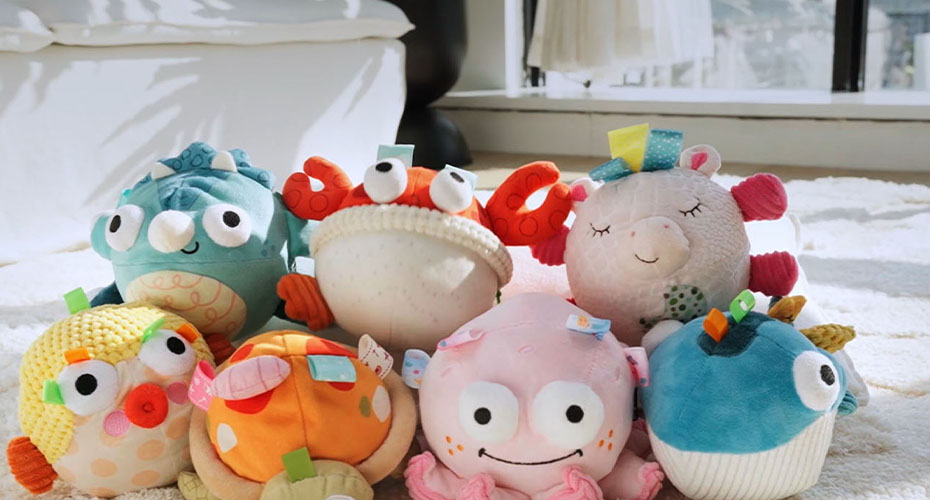
INFUNITY’s plush category reflects this shift particularly well. Rather than treating plush as a purely visual SKU, the company positions it inside a broader framework of comfort, sensory development, and customizable interactive play, spanning soothing plush toys, projector plush formats, and magical drawing plush experiences. The result is a plush ecosystem built not just for softness, but for longer engagement windows.
This is where the toddler segment becomes strategically interesting.
At ages two to four, parents increasingly prefer toys that can serve multiple developmental roles without overwhelming the child. A plush dog toy that supports cuddling, pretend storytelling, vocabulary prompts, or nighttime projection naturally lasts longer than purely novelty-driven toys.
The commercial upside is retention through developmental layering.
A toddler may first use the plush dog as a sleep companion.
Weeks later, it becomes the “family pet” in roleplay.
Later still, it becomes the listening character in parent-led storytelling.
That expansion of use cases is where plush remains one of the most margin-resilient categories in the broader toy market.
And now AI is beginning to deepen that moat.
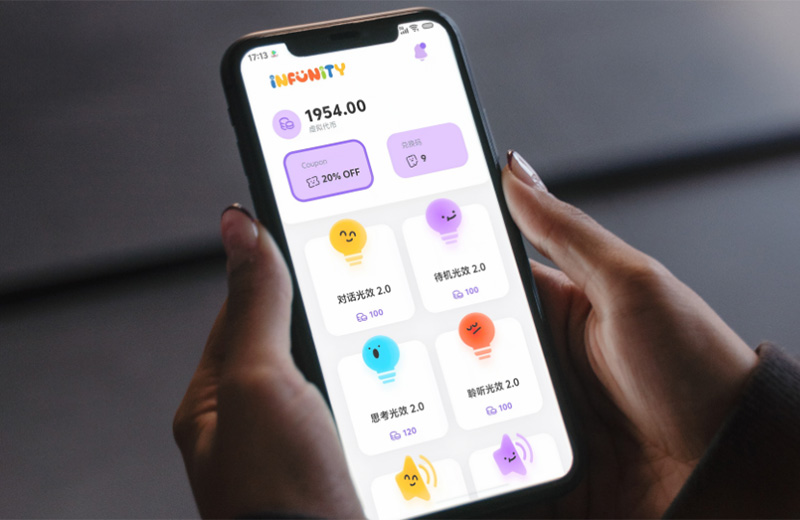
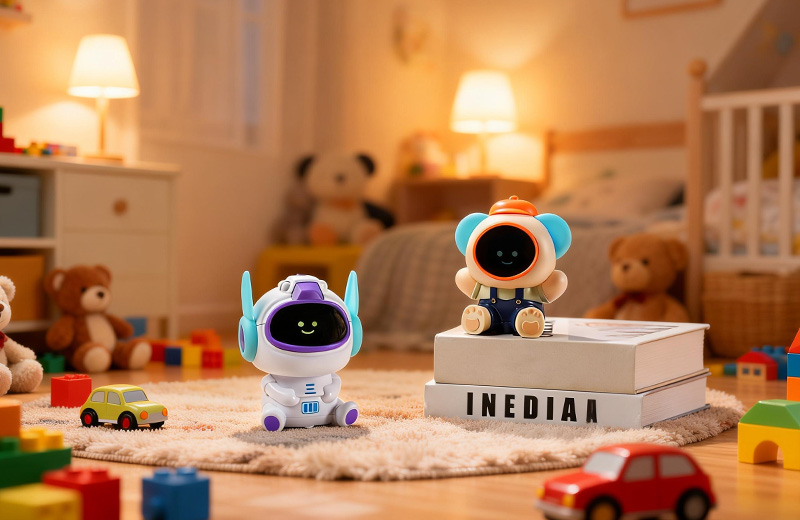
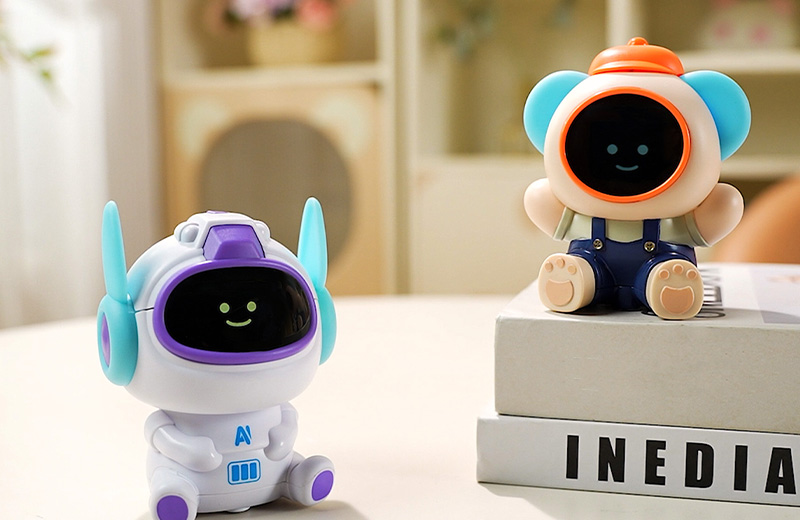
INFUNITY’s broader product strategy—evolving from plush manufacturing roots into AI-enabled toy ecosystems—shows how the next generation of plush dog toys may become responsive emotional companions instead of static comfort objects. Its recent company narrative explicitly centers the idea of layering intelligence onto traditional plush trust signals rather than replacing them.
For a plush puppy toy, this opens premium paths such as:
responsive voice comfort phrases
bedtime storytelling sequences
toddler vocabulary reinforcement
multilingual pet roleplay
parent-controlled sound customization
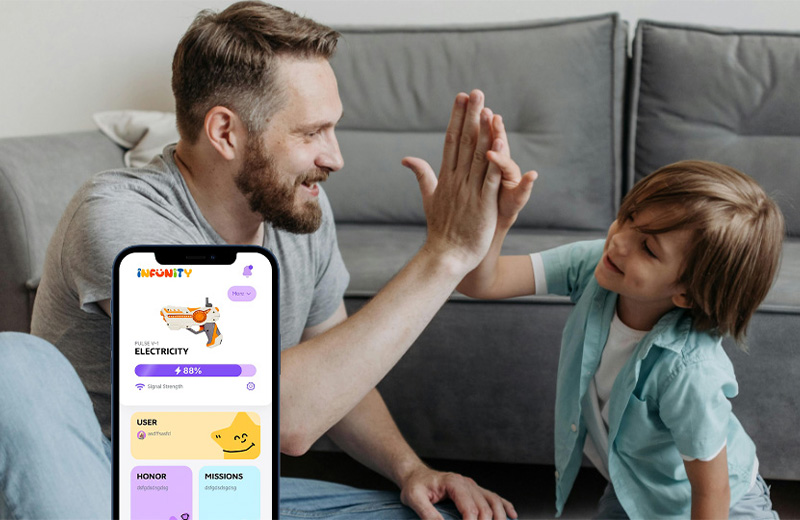
app-connected routine rewards
The result is not complexity for its own sake.
It is higher emotional stickiness.
That matters enormously for overseas distributors and private-label brands sourcing through China, where traditional plush categories are highly competitive and price-sensitive. Adding soft interactivity, projection, sensory textures, or lightweight AI voice modules moves the plush dog toy from commodity into experience-led SKU positioning.
This is why long-tail B2B terms such as “custom plush dog toy OEM,” “interactive plush puppy supplier,” and “plush dog toy with voice module” are increasingly attractive for wholesalers building differentiated catalogs.
Parents are no longer just comparing softness.
They are comparing how the toy behaves in the child’s routine.
Does it help bedtime?
Does it reduce clinginess?
Does it inspire language?
Does it become the child’s preferred comfort item?
Those are emotional KPIs, and increasingly, they are what drive conversion.
For INFUNITY, whose site already combines plush manufacturing depth with AI toy innovation and full OEM/ODM capabilities, this hybrid direction feels commercially logical rather than trend-driven. The company’s strength lies in understanding that the future of plush is not simply digital—it is emotionally useful.
And in the toddler market, usefulness is what keeps a plush dog toy close long after flashier toys have disappeared under the bed.
 Recommended for You