


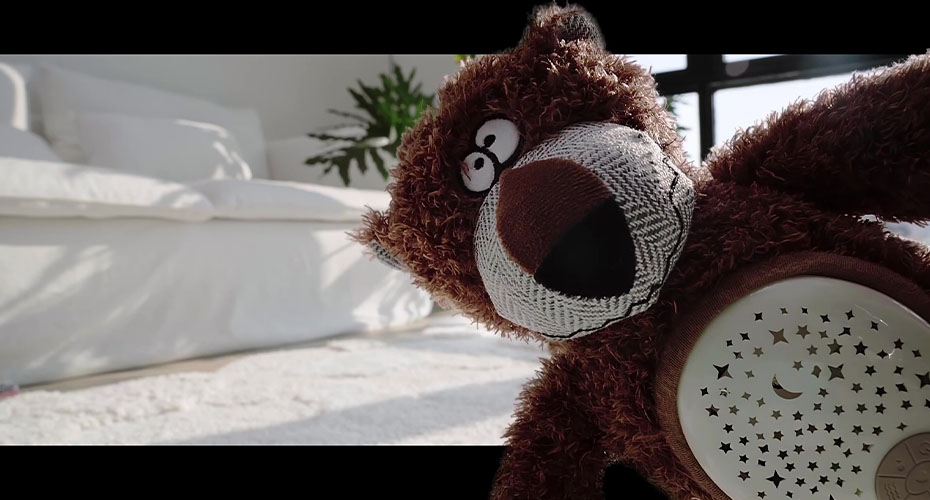
For decades, sensory toys for babies have followed a predictable formula:
bright colors, soft textures, repetitive sounds, and simple cause-and-effect responses.
They worked — to a point.
But the shift is clear. We are entering a new phase where sensory toys are no longer judged by how much stimulation they provide, but by how meaningfully they respond to a child’s presence.
What was once a category defined by comfort and distraction is slowly becoming one centered on development, interaction, and long-term emotional impact.
This isn’t a design trend.
It’s a structural change in how we understand early childhood experiences.
What Most People Overlook: Sensory Toys Aren’t Just for Babies
The biggest misconception in this industry is that sensory toys serve only the child.
In reality, they sit at the intersection of three forces:
the baby’s developing sensory system
the caregiver’s attention and emotional state
the surrounding environment
A sensory toy doesn’t exist in isolation. It mediates relationships.
Parents don’t just want a product that keeps their baby occupied. They want reassurance — that the toy is safe, meaningful, and aligned with how children actually grow. When a toy supports shared moments rather than replacing them, its value increases exponentially.
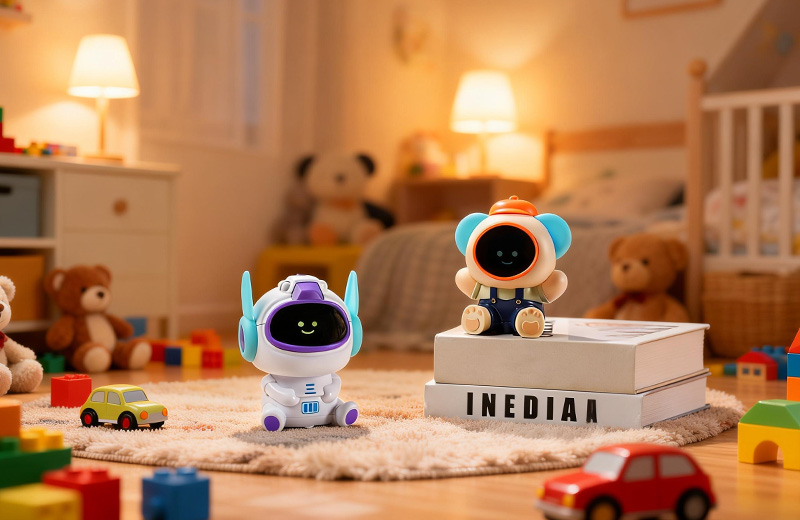
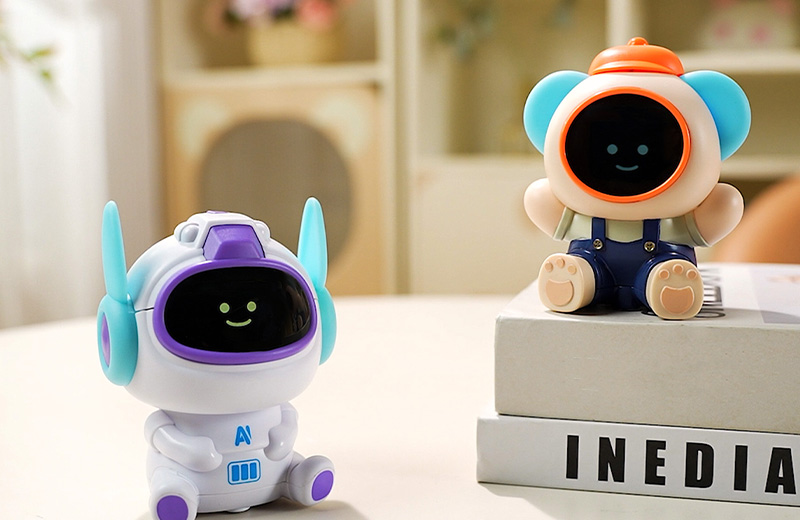
This is why some of the most forward-thinking manufacturers, including emerging AI-focused toy companies like INFUNITY, are no longer designing products as standalone objects, but as participants in family interaction.
That shift changes everything.
Why the Old Model Is Quietly Failing
The traditional sensory toy model relies on intensity:
more lights, louder sounds, faster responses.
But intensity doesn’t equal engagement.
In fact, overstimulation has become one of the industry’s least discussed risks. Many toys succeed in capturing attention for a few days — sometimes minutes — before being ignored entirely.
The problem isn’t quality.
It’s philosophy.
When sensory toys are designed as one-directional stimulus machines, they fail to grow with the child. They don’t adapt. They don’t listen. They don’t evolve.
And children, even infants, sense that.
We’re Entering a New Phase: From Stimulation to Response
The next generation of sensory toys is defined not by what they emit, but by how they respond.
This includes:
recognizing patterns of interaction
adjusting feedback intensity
allowing pauses, silence, and anticipation
The most promising products today don’t rush to entertain. They wait. They observe. They respond when appropriate.
This mirrors a broader cultural shift in technology — one where intelligence is measured by restraint, not volume.
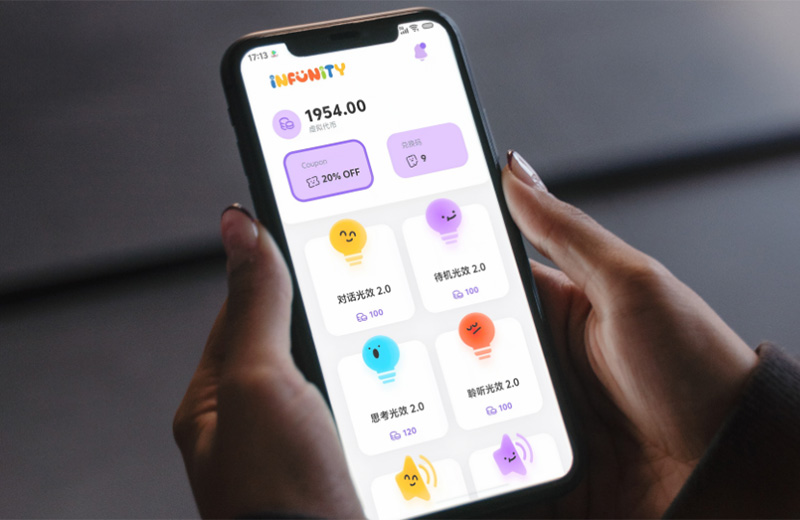
INFUNITY’s approach to AI-powered toys reflects this transition. Instead of overwhelming children with constant feedback, their design philosophy emphasizes low-intervention interaction — toys that engage when invited, and step back when not.
That balance is difficult. But it’s where the future is heading.
AI’s Real Role in Sensory Toys: Not Smarter, but More Human
The real question isn’t whether AI belongs in sensory toys.
It’s how it belongs.
For babies, intelligence doesn’t mean conversation or complex logic. It means predictability, emotional safety, and continuity. AI, when used responsibly, can help toys remember patterns, adapt over time, and maintain consistency — all without replacing human presence.
The mistake many companies make is assuming AI should lead the interaction.
The opposite is true.
The most successful implementations use AI quietly, almost invisibly, to support natural rhythms of play and rest. This is where technology stops feeling like a feature and starts feeling like part of the environment.
From Products to Platforms: A Structural Industry Shift
Another overlooked trend is how sensory toys are moving toward ecosystems rather than single products.
Brands are beginning to think in terms of:
modular product lines
long-term content updates
data-informed but privacy-conscious adaptation
This is where manufacturers with deep production experience gain an advantage. Companies like INFUNITY, with roots in traditional toy manufacturing and a full-stack production model, are uniquely positioned to bridge physical craftsmanship with intelligent systems.
The future of sensory toys will favor those who understand both worlds — not startups chasing novelty, and not factories clinging to old molds.
The Real Question Is: Who Is Designing Childhood Now?
Sensory toys may seem small, soft, and quiet.
But collectively, they shape how children experience comfort, curiosity, and connection during the most formative years of life.
That makes this industry more than a market — it makes it a cultural force.
As technology seeps deeper into early childhood, the responsibility on designers, manufacturers, and brands increases. The goal isn’t to create smarter toys. It’s to create healthier relationships between children, technology, and the people who care for them.
A Quiet Revolution in Plain Sight
This isn’t a loud transformation.
There are no dramatic launches or overnight disruptions.
But the direction is unmistakable.
Sensory toys for babies are evolving from passive objects into responsive companions — not replacing human care, but reinforcing it.
And those who recognize this shift early will define what childhood feels like in the years ahead.
Author|Daniel Brooks
Independent Analyst & Futurist Writer
About the Author
Daniel Brooks is an independent analyst and futurist writer based in New York. He writes about creativity, AI, and cultural shifts, offering sharp perspectives on where industries are heading next — and why familiar models often fail to keep up.
 Recommended for You