

What’s changing now is not the goal, but the approach. Modern baby educational toys are slowly moving away from the mindset of “teaching” and closer to something that feels more like companionship. Instead of telling children what to learn, these toys are beginning to respond to what children are curious about in the moment. Learning becomes a side effect of play, not the main instruction.
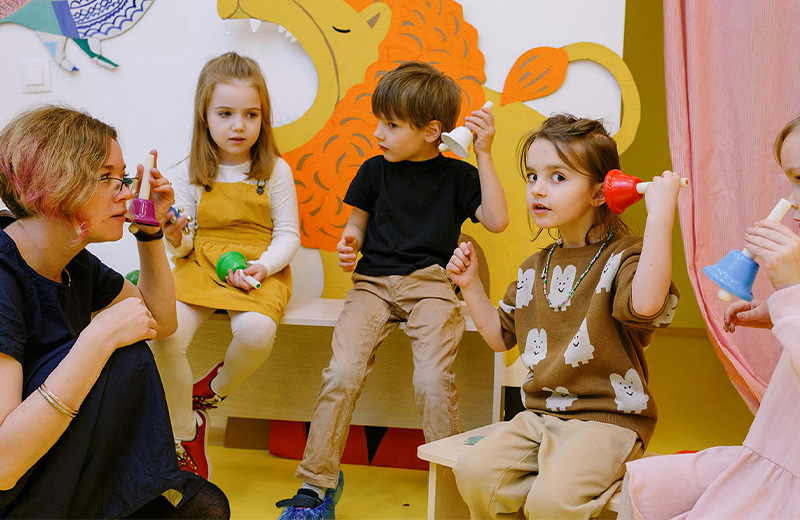
Children don’t naturally think in lessons. They explore, they imagine, they test boundaries, and they repeat what feels interesting to them. Traditional educational toys often interrupt that process by forcing a fixed path: press this button, hear this sound, move to the next step. Newer toys, however, are designed to follow the child rather than lead them. When a child points, scans, asks, or even plays in an unstructured way, the toy responds with feedback instead of correction. That feedback might be a simple explanation, a story, a sound effect, or a question that keeps the interaction going.
Another important shift is the role of imagination. For young kids, learning is deeply tied to storytelling and role-playing. The desire to be a hero, an explorer, or a protector isn’t separate from education; it’s part of how children make sense of the world. That’s why many modern baby educational toys are no longer shaped like books or classroom tools. They look like objects from a story or a mission. When children feel like they are part of an adventure, they stay engaged longer, and learning happens naturally in the background.
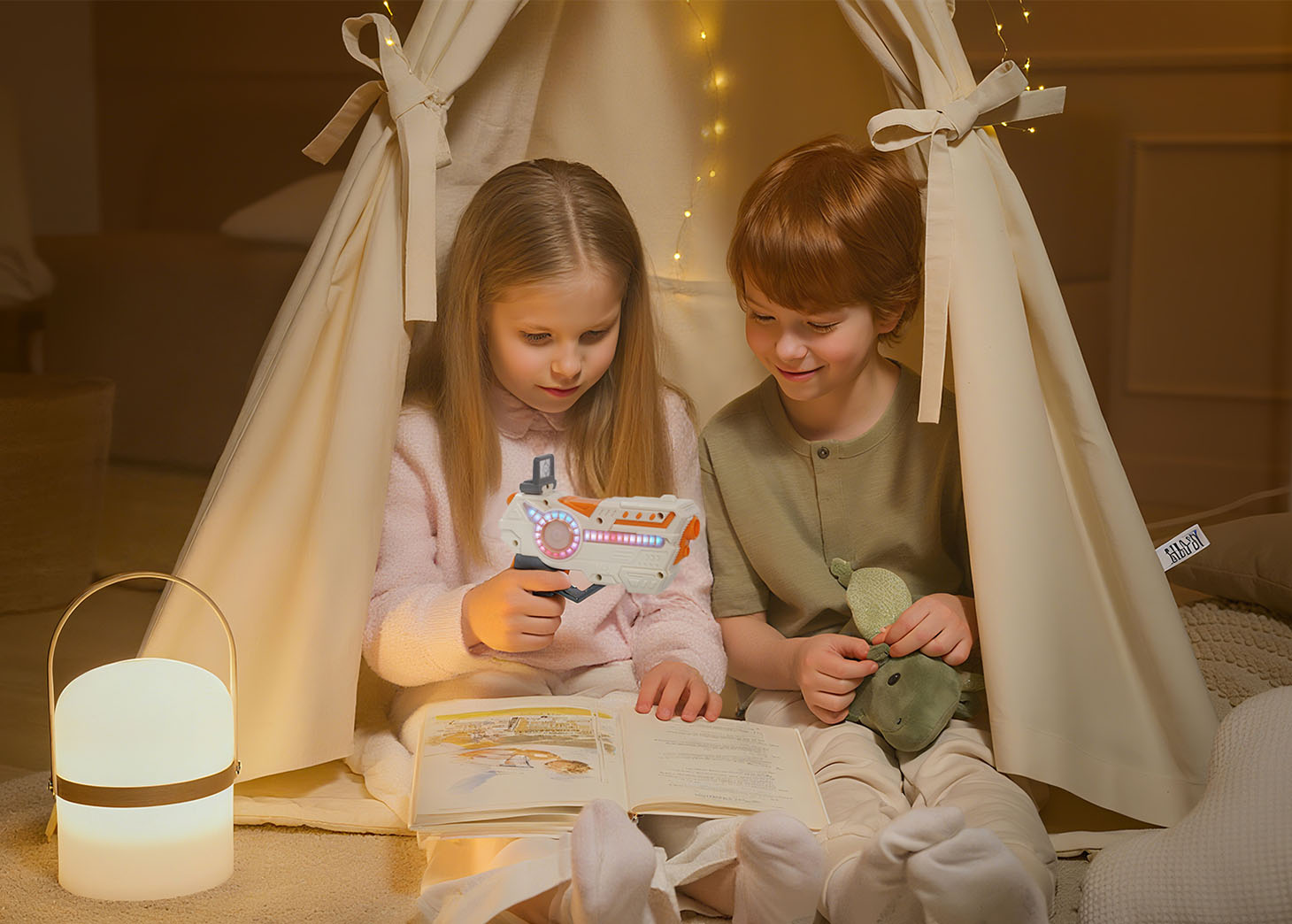
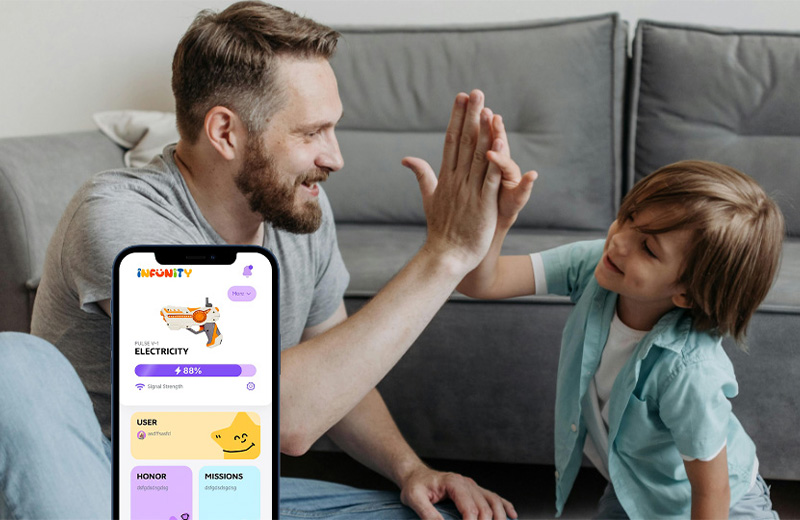
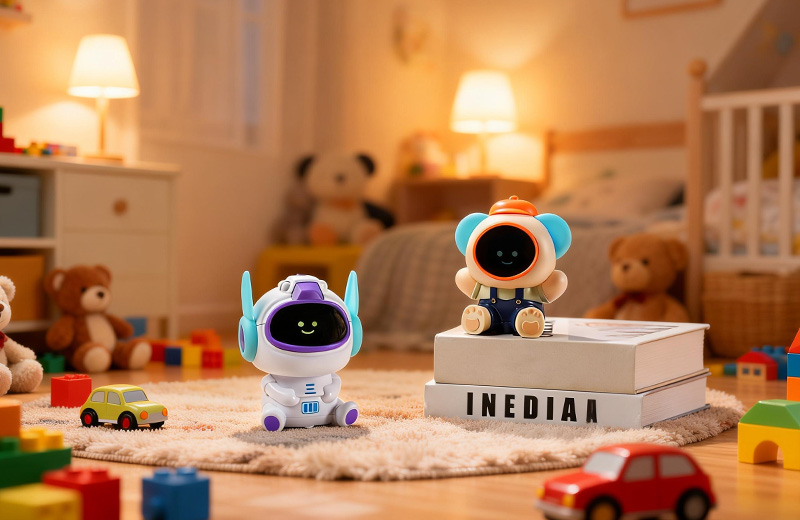
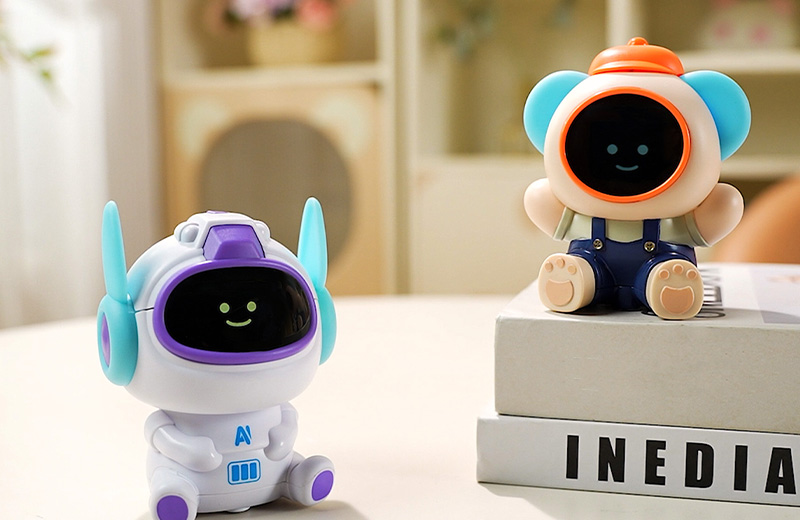
This is also where products like Pulse V-1 fit into the bigger picture. Rather than positioning itself as a toy that “teaches,” it behaves more like a responsive tool inside a child’s imagined world. A child can switch between playful action modes and smarter interactive modes, scan everyday objects, hear explanations, stories, or even different languages, and then jump right back into play. There’s no clear line where fun ends and learning begins, and that’s exactly the point. The toy adapts to the child’s curiosity instead of forcing the child to adapt to the toy.
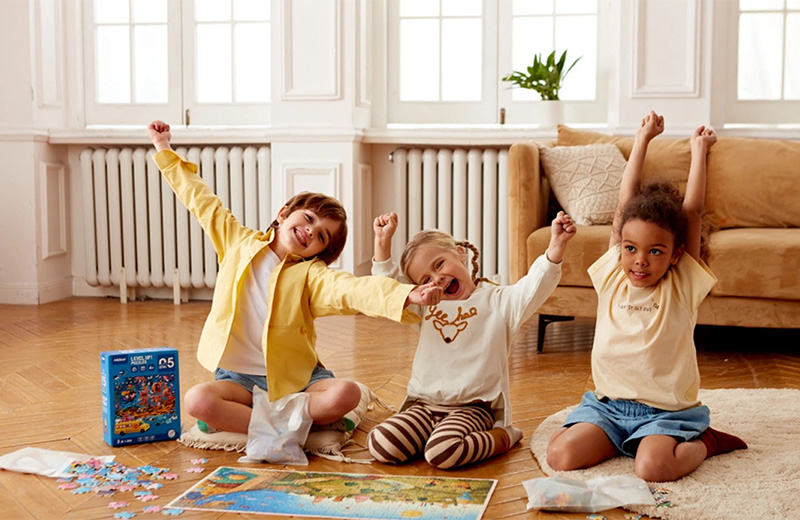
One thing parents notice quickly is that these toys tend to stay interesting longer. Instead of being used for a few days and forgotten, they grow with the child. Interactions change, responses feel less repetitive, and children start forming habits around how they use the toy. Some toys even remember preferences, which gives kids a sense that they are being “seen” and understood. That emotional connection is something older educational toys rarely achieved.
At its core, the evolution of baby educational toys is about respect—respect for how children actually think and play. Kids don’t need toys that rush them into learning outcomes. They need tools that listen, respond, and leave space for imagination. When a toy can do that, learning no longer feels like a task. It becomes part of everyday play, curiosity, and discovery.
In that sense, the future of baby educational toys isn’t louder, faster, or more instructional. It’s quieter, more responsive, and more human. And that shift might be the most educational change of all.
 Recommended for You