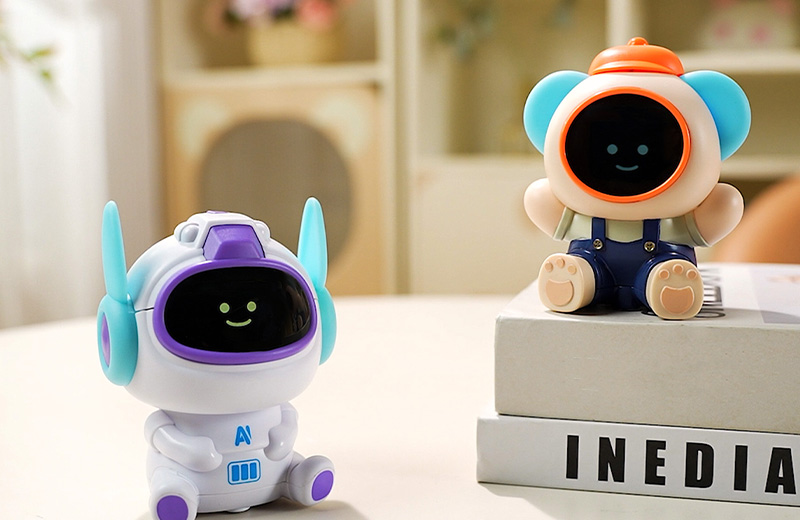



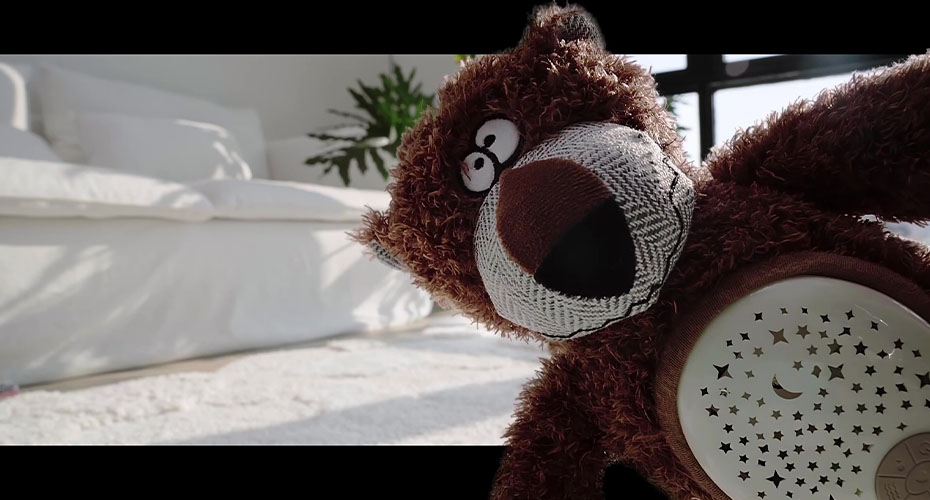
Now, smart plush toys are entering that emotional space, and this is where things get interesting rather than simply “better” or “worse.” A smart plush does not replace the emotional logic of comfort objects, but it stretches it. Instead of being only a passive emotional anchor, it becomes an interactive one that can respond, remember, and even grow with the user over time. When a plush toy can recognize a voice, respond with a familiar tone, remember preferences, or tell a story that continues night after night, the emotional bond shifts from projection alone to a shared loop of interaction. For many children, and increasingly for adults as well, comfort is no longer just about silence and softness, but about feeling understood, responded to, and gently accompanied.
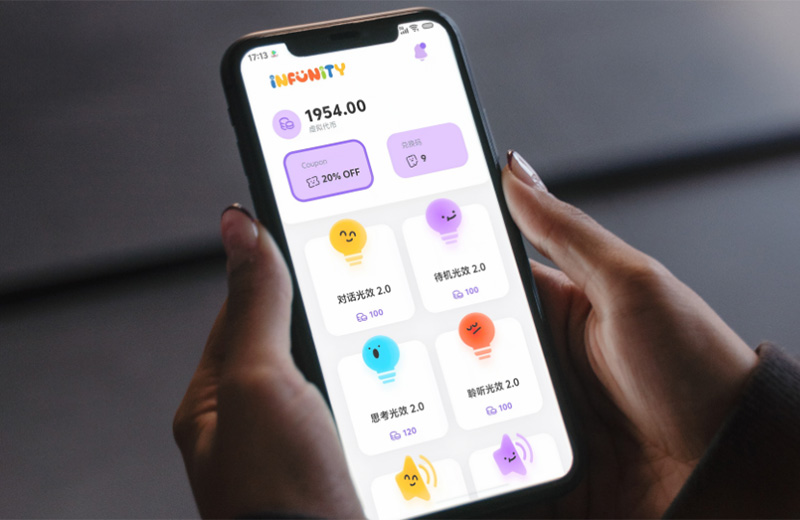
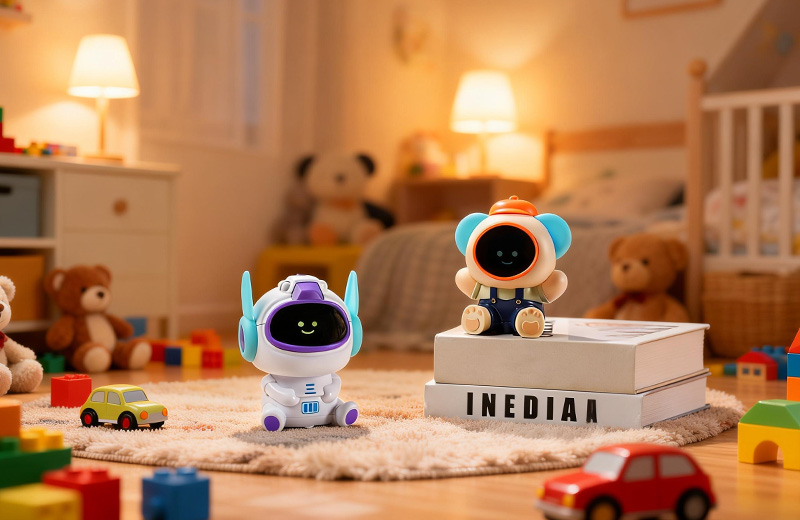
This is where companies like INFUNITY are clearly leaning into a more thoughtful interpretation of smart comfort, rather than treating AI as a gimmick. Coming from a long background in toy manufacturing and now deeply focused on AI-driven interaction, INFUNITY approaches smart toys, including smart plush concepts, as companions rather than attention machines. The design philosophy is not “how many features can we add,” but “how does this object behave when someone is lonely, bored, curious, or anxious.” Their experience with AI companions, such as interactive toys that carry memory, proactive dialogue, and character-driven personalities, directly informs how a smart plush can feel emotionally consistent instead of chaotic. A plush that remembers your favorite bedtime story or responds calmly when you are upset does something very different from one that simply talks on command.
However, once comfort objects become smart, risks naturally enter the conversation, and it would be irresponsible to ignore them. Over-stimulation is the first concern, because comfort traditionally comes from simplicity, and too much sound, too many lights, or constant prompts can actually work against emotional regulation. There is also the risk of emotional dependency if a toy becomes the primary source of reassurance instead of a supportive bridge that complements human relationships. Privacy is another sensitive issue, especially when voice interaction and memory are involved, because trust is at the heart of comfort, and a comfort object that feels intrusive instantly breaks that bond.
This is why design ethics matter more here than in almost any other toy category. A smart plush should know when to speak and when to stay quiet, when to respond and when to simply “be there.” Ethical design means intentional restraint, limited data use, transparent behavior, and clear boundaries around emotional roles. INFUNITY’s broader approach to AI toys emphasizes controlled interaction, character consistency, and parent-facing transparency, which are crucial principles if smart plush toys are going to be trusted as comfort objects rather than questioned as digital babysitters. The goal is not to replace parents, caregivers, or real-world relationships, but to create a safe emotional buffer that supports development without hijacking it.
So are smart plush toys the future of comfort objects? The answer is not that traditional plush toys are becoming obsolete, but that the definition of comfort is expanding. In a world where children and adults alike are growing up surrounded by responsive technology, comfort is increasingly linked to gentle interaction, emotional feedback, and continuity over time. When designed with care, empathy, and ethical restraint, smart plush toys can deepen emotional security rather than dilute it, and brands like INFUNITY show that the future of comfort is not about louder toys or smarter algorithms, but about quieter intelligence that understands when comfort means interaction, and when it simply means staying close.
 Recommended for You