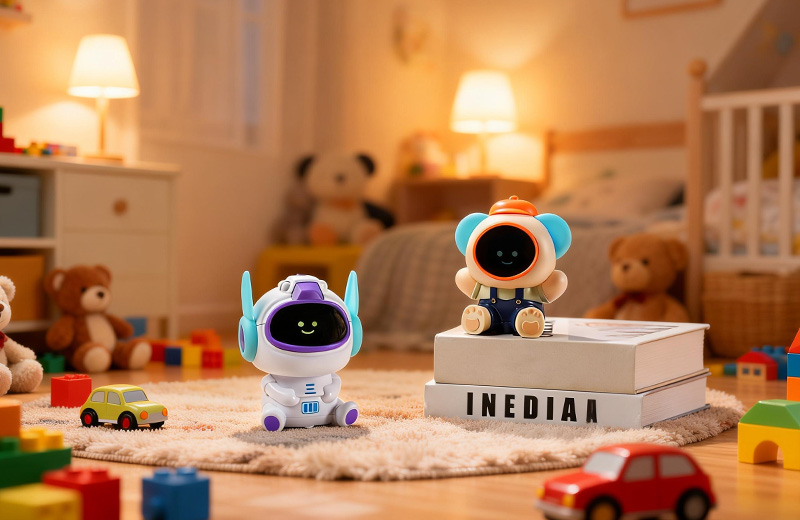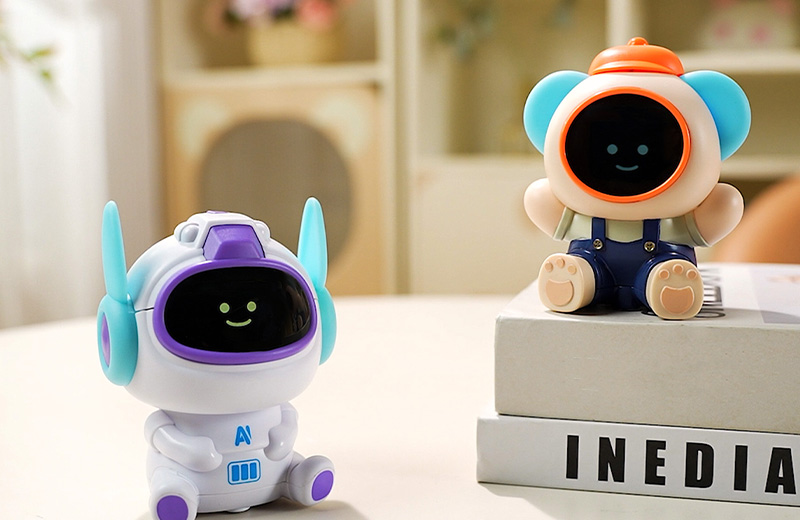


Are AI toys for babies genuinely helpful innovations, or are they mostly hype wrapped in buzzwords?
The honest answer, like most things involving children and technology, isn’t black or white. It depends on how these toys are designed, how they’re used, and what expectations parents bring into the experience.
Let’s break it down carefully.
The Real Benefits of AI Toys for Babies
When AI toys are done right, their biggest strength isn’t intelligence in the sci-fi sense, but responsiveness. Babies don’t need advanced algorithms; they need feedback that feels alive and engaging.
Many AI-powered baby toys are designed to respond to sounds, movement, touch, or simple voice cues, and this kind of cause-and-effect interaction can be genuinely valuable during early development. When a baby shakes a plush toy and hears a sound change, or babbles and receives a gentle vocal response, they begin to understand that their actions matter, which is a foundational cognitive skill.
Another often overlooked benefit is consistency. Unlike adults, AI toys never get tired, distracted, or impatient. A toy that repeats a song, a word, or a soothing response in the same calm tone can actually support early language exposure and emotional regulation, especially during repetitive routines like bedtime or quiet play.
Some AI baby toys also support multi-sensory stimulation in a more controlled way. Instead of overwhelming lights and sounds all firing at once, better-designed products adjust volume, pacing, and interaction levels based on how the baby engages. For parents who are already cautious about screen time, this can feel like a middle ground — more interactive than a traditional plush toy, but far less passive than a tablet.
And finally, for modern parents juggling work, childcare, and constant information overload, AI toys sometimes provide peace of mind. Not as a replacement for parenting, but as a supportive tool that can entertain, calm, or engage a baby for short, meaningful moments.
The Concerns Parents Are Right to Have
That said, skepticism around AI toys for babies is not only understandable — it’s healthy.
One major concern is overdependence. Babies learn primarily through human interaction: facial expressions, unpredictable responses, emotional warmth, and physical presence. No matter how advanced an AI toy claims to be, it cannot replace the nuanced social learning that happens when a baby interacts with real people. If an AI toy becomes a stand-in rather than a supplement, that’s where problems can start.
Privacy is another issue parents increasingly worry about. Toys that use microphones, cameras, or app connections naturally raise questions: What data is being collected? Where is it stored? Who can access it? For babies, who obviously cannot consent, this responsibility falls entirely on adults, and not all products are equally transparent about how data is handled.
There’s also the risk of overstimulation. Some AI toys promise “endless interaction,” but babies actually benefit from pauses, silence, and boredom more than we often realize. A toy that constantly talks, reacts, or lights up without allowing space for self-directed play can unintentionally interfere with attention development.
Finally, there’s the hype problem itself. Many products labeled as “AI” are, in reality, using very basic pre-programmed responses. While that doesn’t automatically make them bad toys, it does mean parents should be cautious about paying premium prices for features that don’t meaningfully improve a child’s experience.
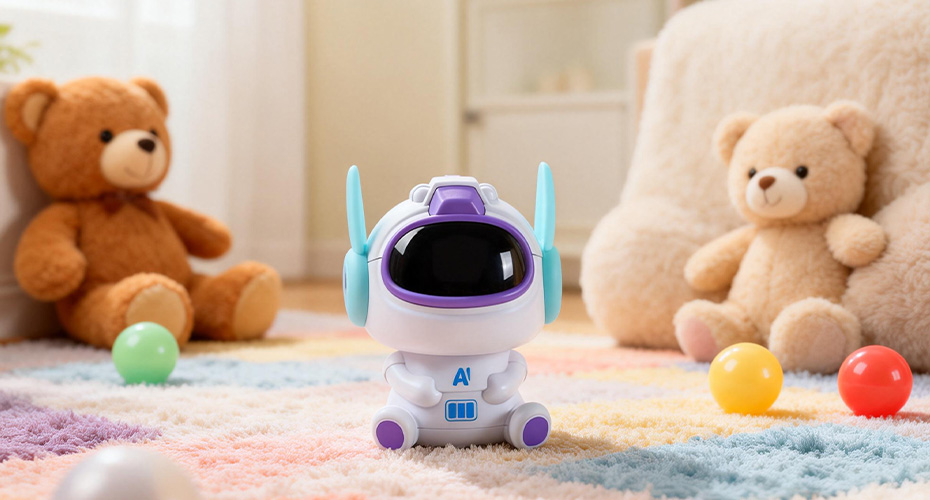
What Experts Tend to Agree On
Interestingly, when you listen to pediatricians, child development researchers, and early education experts, their views are often more balanced than social media debates suggest.
Most experts don’t argue that AI toys are inherently harmful. Instead, they emphasize context and moderation. They generally agree that responsive toys can support early sensory development, language exposure, and curiosity, as long as they are age-appropriate and not overly complex.
Experts also stress that the role of the adult matters more than the intelligence of the toy. When parents play alongside babies, comment on what the toy is doing, or respond to the baby’s reactions, the learning value increases significantly. In this sense, AI toys can actually become conversation starters rather than distractions.
Another point experts frequently make is that not all AI toys are designed for the same purpose. Some are meant for calming, others for exploration, others for imaginative play. Problems arise when parents expect a single toy to educate, entertain, soothe, and replace interaction all at once.
In short, expert opinion doesn’t say “yes” or “no” to AI toys for babies. It says, use thoughtfully, choose carefully, and stay involved.
A Practical Parent Checklist Before Buying an AI Baby Toy
If you’re considering an AI toy for your baby, it helps to step back from marketing language and ask a few grounded questions.
First, ask yourself what role you want this toy to play. Is it for sensory exploration, soothing, language exposure, or simple companionship during playtime? If the purpose isn’t clear, the toy probably won’t deliver meaningful value.
Second, look closely at interaction style. Does the toy wait for the baby’s input, or does it constantly initiate noise and movement? Babies benefit more from toys that respond rather than dominate.
Third, check safety and privacy standards. Materials should meet international baby safety certifications, and any app or connectivity features should clearly explain how data is handled, stored, and protected.
Fourth, consider longevity. A good AI baby toy should grow with your child at least a little, offering different modes or levels rather than becoming irrelevant after a few weeks.
And finally, trust your instincts as a parent. If a toy feels overwhelming, unnecessary, or distracting, it probably is — regardless of how advanced the technology claims to be.
So, Helpful Innovation or Just Hype?
The truth is, AI toys for babies sit somewhere in between.
They are not magic solutions, and they shouldn’t be treated as digital babysitters. But when designed responsibly and used intentionally, they can offer meaningful interaction, gentle stimulation, and even moments of comfort that fit naturally into modern family life.
The real question isn’t whether AI belongs in baby toys, but whether we, as adults, are clear about why we’re bringing it in and how we choose to use it.
Because at the end of the day, no algorithm matters more than a parent who’s paying attention.
 Recommended for You