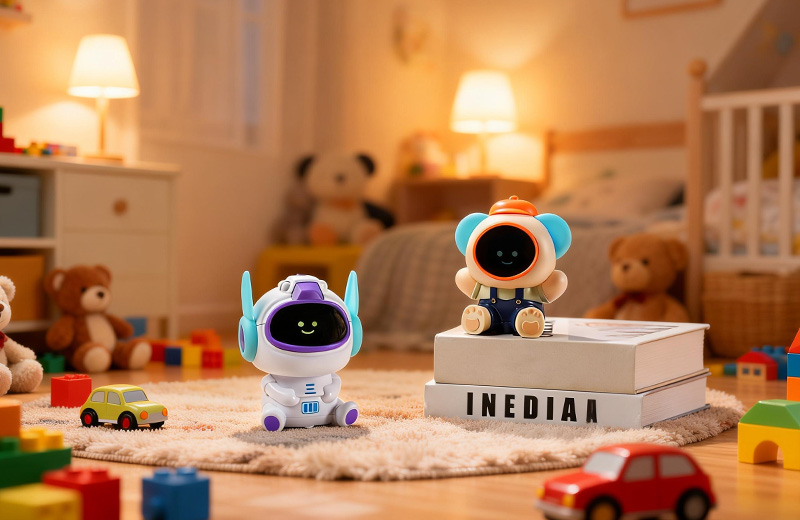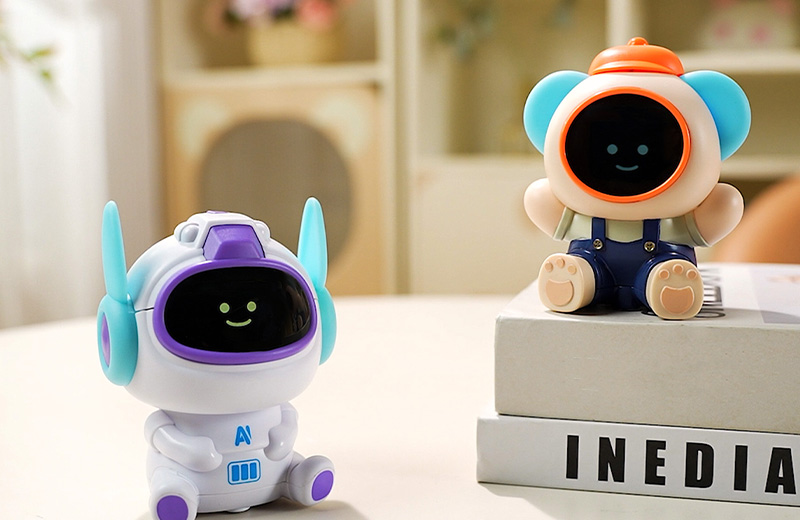


What actually matters, however, is not whether a toy is powered by AI, but how AI toys are designed to guide independent play while still supporting social balance, and this is where good product logic makes a real difference.
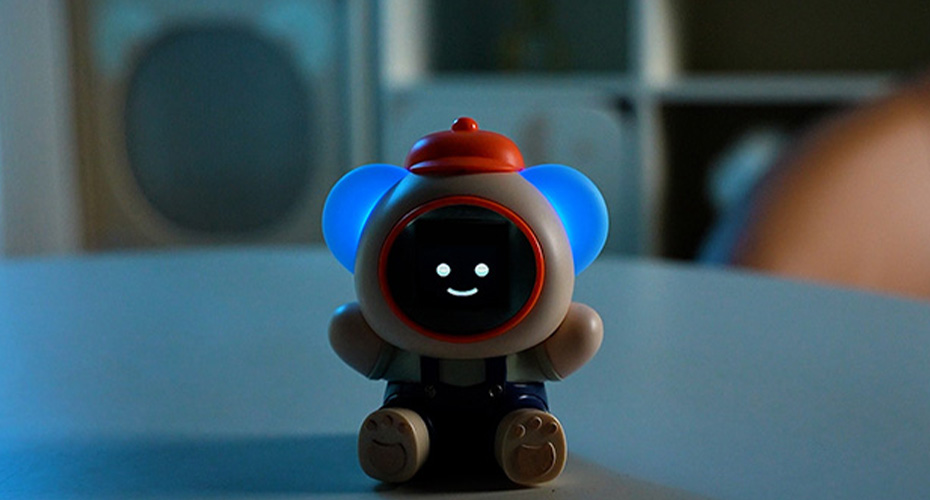
Independent Play: Giving Children Control Without Cutting Them Off
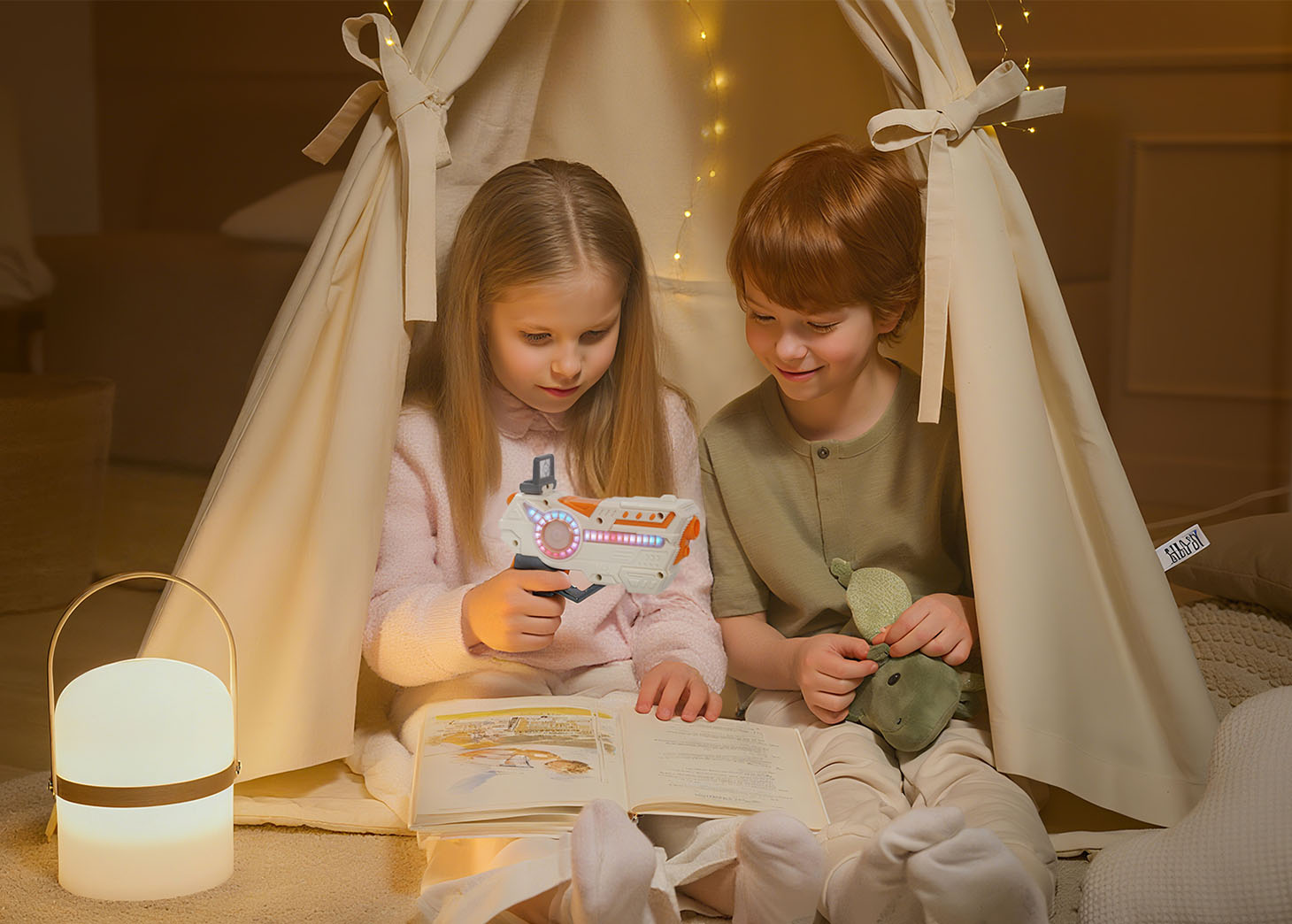
Independent play has always been important for children, because it helps them build focus, confidence, and imagination, yet traditional toys often reach a limit where kids either lose interest or rely on adults to restart the experience. Well-designed AI toys approach independent play differently, not by replacing parents or friends, but by giving children a responsive environment where their choices still matter.
For example, when an AI toy reacts to a child’s voice, questions, or actions, the child feels seen and engaged, which naturally extends playtime without demanding constant adult involvement. This kind of interaction supports independent exploration, because children are free to test ideas, ask “what if” questions, and follow their curiosity at their own pace, while still feeling like they are in a dialogue rather than a vacuum.
From a parent’s perspective, this matters because independent play powered by AI toys becomes more intentional and less passive, meaning children are actively thinking, speaking, and reacting, instead of simply consuming content or repeating fixed routines.
Social Balance: Why AI Toys Should Not Replace Human Interaction
The biggest fear parents have about AI toys is social isolation, but in practice, isolation happens when toys pull children away from shared experiences instead of encouraging them to bring those experiences back into family or peer interactions.
Strong AI toy design focuses on social balance, which means the toy becomes a bridge rather than a wall. Many AI toys now include features that naturally lead to conversation, such as storytelling prompts, object recognition, or task-based challenges that children want to show, explain, or repeat with parents and friends. When a child excitedly explains what the toy said, learned, or discovered, the AI toy has already succeeded in reconnecting independent play with real-world social interaction.
In this sense, AI toys can actually reduce isolation by giving children new topics, new vocabulary, and new confidence to communicate, especially for kids who are shy or still developing language skills. The toy does not replace social contact, but instead prepares children to participate in it more actively.
Design Rules: What Parents Should Look For in AI Toys
Not all AI toys are created equal, and this is where design rules become critical for addressing parental concerns in a practical way rather than a theoretical one. First, AI toys should encourage open-ended interaction instead of scripted repetition, because real thinking happens when children can respond freely rather than choose from fixed answers.
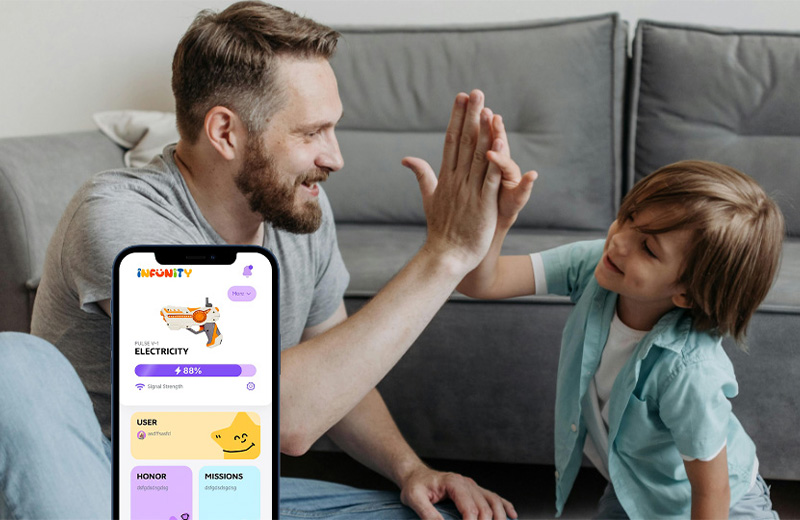
Second, transparency and parental involvement matter, meaning parents should be able to understand how the AI works, what kind of data or learning logic is involved, and how the toy fits into daily routines rather than dominating them. AI toys that offer usage insights or activity summaries can help parents turn solo play into meaningful conversations later.
Finally, good AI toys are designed with boundaries, not endless stimulation, so children naturally move between independent play, family time, and peer interaction without becoming overly attached to the toy itself. When these rules are respected, AI toys stop being a source of anxiety and start becoming a tool that supports healthy development.
A Practical Takeaway for Parents
AI toys do not automatically lead to isolation, just as traditional toys do not automatically guarantee social growth, because the outcome depends on design, intention, and usage. When AI toys are built to support independent play while reinforcing communication, curiosity, and shared experiences, they can actually help children become more confident, expressive, and socially balanced.
For parents navigating this space, the key is not to avoid AI toys altogether, but to choose AI toys that respect independent play without disconnecting children from the people around them, which is exactly where thoughtful design turns technology into a positive part of childhood rather than a replacement for it.
 Recommended for You