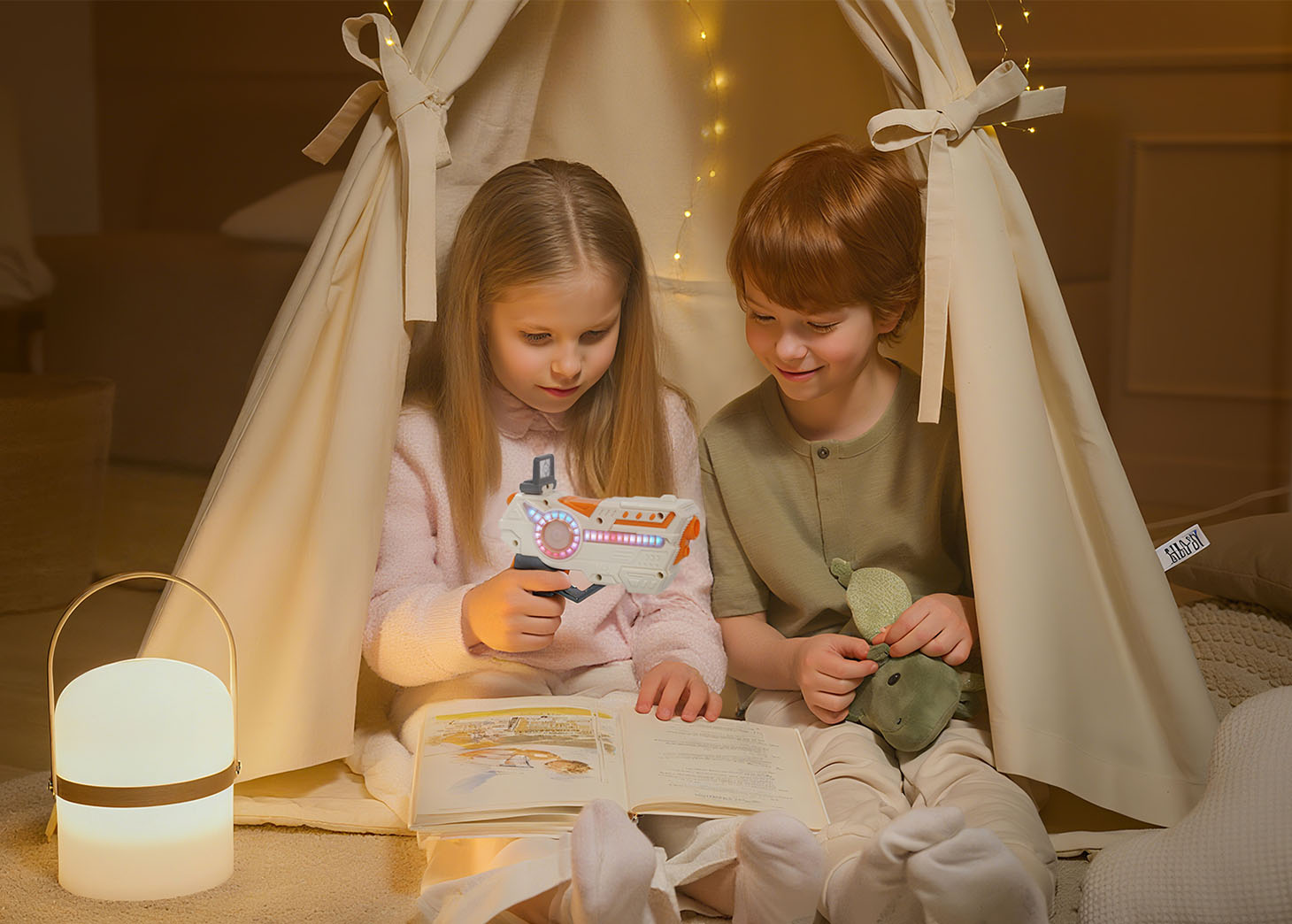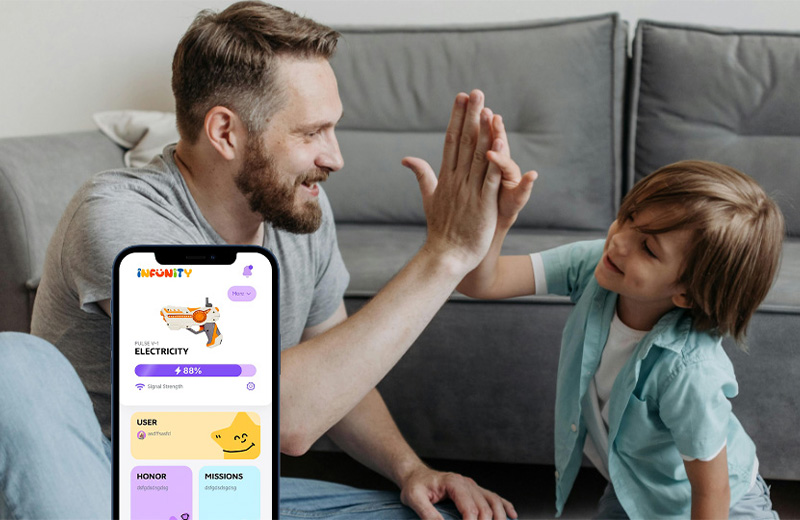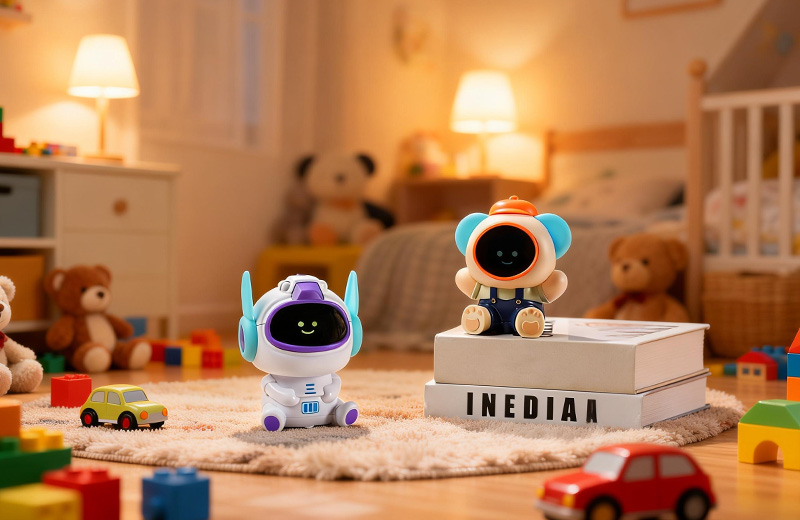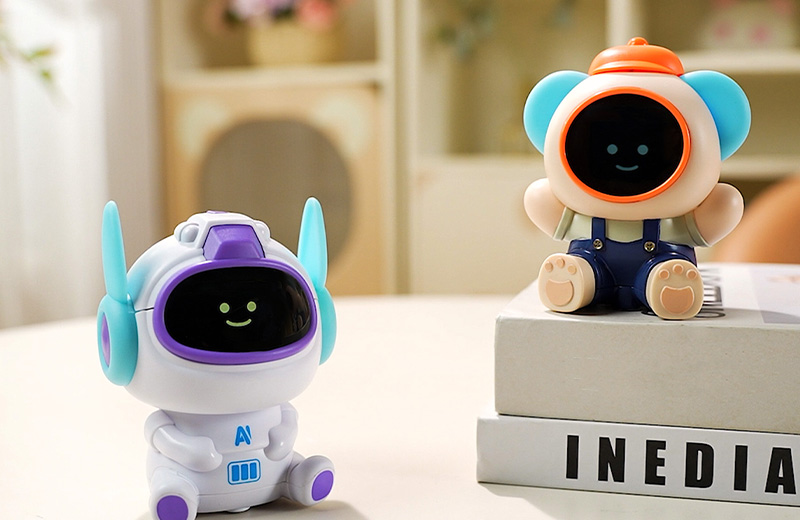


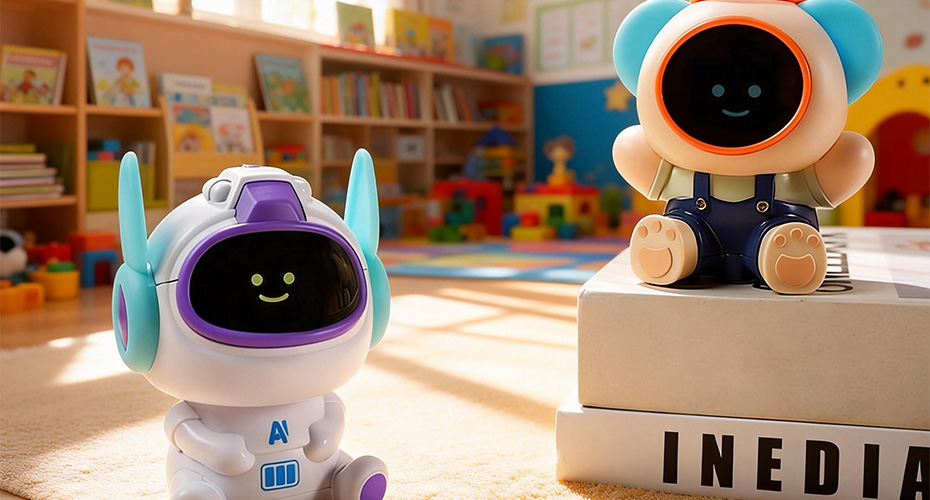
On one side, there are AI robots—talking, reacting, learning, sometimes even remembering a child’s name or favorite story.
On the other, there are the timeless plush toys—soft, quiet, familiar, and always ready for a hug.
So when it comes to kids, which one is really more popular?
The short answer: it depends on the child, the age, and the moment. But let’s break it down.
Why Plush Toys Still Have a Strong Hold
Plush toys have been around forever, and that’s not an accident.
For younger children especially, plush toys offer something very simple but powerful: emotional safety.
A stuffed bear doesn’t talk back.
It doesn’t change.
It doesn’t surprise you.
For toddlers and preschoolers, that consistency matters. Plush toys often become bedtime companions, comfort objects during transitions, or quiet listeners during imaginative play. Kids project their own emotions onto them—today the bear is brave, tomorrow it’s scared, and that’s okay.
Parents also tend to trust plush toys more instinctively. There’s no screen, no Wi-Fi, no learning curve. Just softness and familiarity.
In that sense, plush toys are less about entertainment and more about emotional grounding.
Why AI Robots Feel More Exciting to Many Kids
AI robots play a very different role.
They’re not just toys—they respond.
For kids around ages 4 to 8, this interaction can be incredibly engaging. When a robot answers questions, reacts to voice commands, tells stories, or celebrates small achievements, it feels almost alive. That sense of feedback is something plush toys simply can’t offer.
AI robots also tap into a child’s natural curiosity:
“Why does it know that?”
“What happens if I ask it this?”
“Can it remember me tomorrow?”
For many kids, especially those who love pretending to be explorers, heroes, or inventors, AI robots feel like partners in adventure rather than passive objects.
Engagement vs. Comfort: Two Different Strengths
This is where the real difference shows.
Plush toys win when it comes to comfort, routine, and emotional attachment.
AI robots win when it comes to engagement, learning, and novelty.
A plush toy is there when a child needs to calm down.
An AI robot shines when a child wants to interact, ask questions, or feel challenged.
Interestingly, parents often notice that kids don’t replace one with the other. Instead, they use them differently. A child might cuddle a plush toy at night but spend the afternoon talking to an AI robot, playing games, or learning new words.
What Kids Are Really Drawn To
At the end of the day, children don’t think in categories like “traditional toy” or “smart toy.”
They respond to:
How a toy makes them feel
Whether it reacts to them
Whether it fits their imagination at that moment
Some days call for quiet comfort.
Other days call for excitement and interaction.
That’s why many of the most successful toy experiences today don’t try to compete directly—but instead focus on complementing different needs in a child’s world.
So… Which One Is More Popular?
If we’re talking pure emotional attachment in early childhood, plush toys still hold a special place.
But when it comes to attention, engagement, and “wow factor,” AI robots are clearly gaining ground, especially as kids grow older and become more curious about how things work.
The future of children’s toys probably isn’t about choosing one over the other—but about understanding when each one matters most.
And from a child’s point of view, the best toy is simple:The one that feels like it understands them.
 Recommended for You